


Austria Implements EU 'Right to Repair' Law This Fall
Translated from German, summarized and contextualized by DistantNews.
At a glance
News
Named sources
New plan
- A new EU directive, implemented in Austria from October, grants consumers a "right to repair" for certain products.
- Manufacturers will be obligated to offer repair services for eligible goods, promoting sustainability and longer product lifecycles.
- The directive initially covers specific product groups like washing machines and mobile phones, with potential expansion to other categories in the future.
Consumers in Austria will soon gain a "right to repair" for various products as the EU's Warenreparaturrichtlinie (Goods Repair Directive) is transposed into national law. Set to take effect in October, this directive aims to combat planned obsolescence and foster a more sustainable consumption model by making repairs more accessible and encouraging the use of products beyond their typical lifespan.
Under the new legislation, manufacturers will be legally required to offer repair services for specific eligible goods. These services must be provided either free of charge or at a reasonable cost, and completed within a reasonable timeframe. This obligation will apply for up to ten years after the last unit of a particular model has been placed on the market. Crucially, manufacturers must also ensure that spare parts are available for the same duration.
Repairability should generally become the standard for goods that are suitable for it.
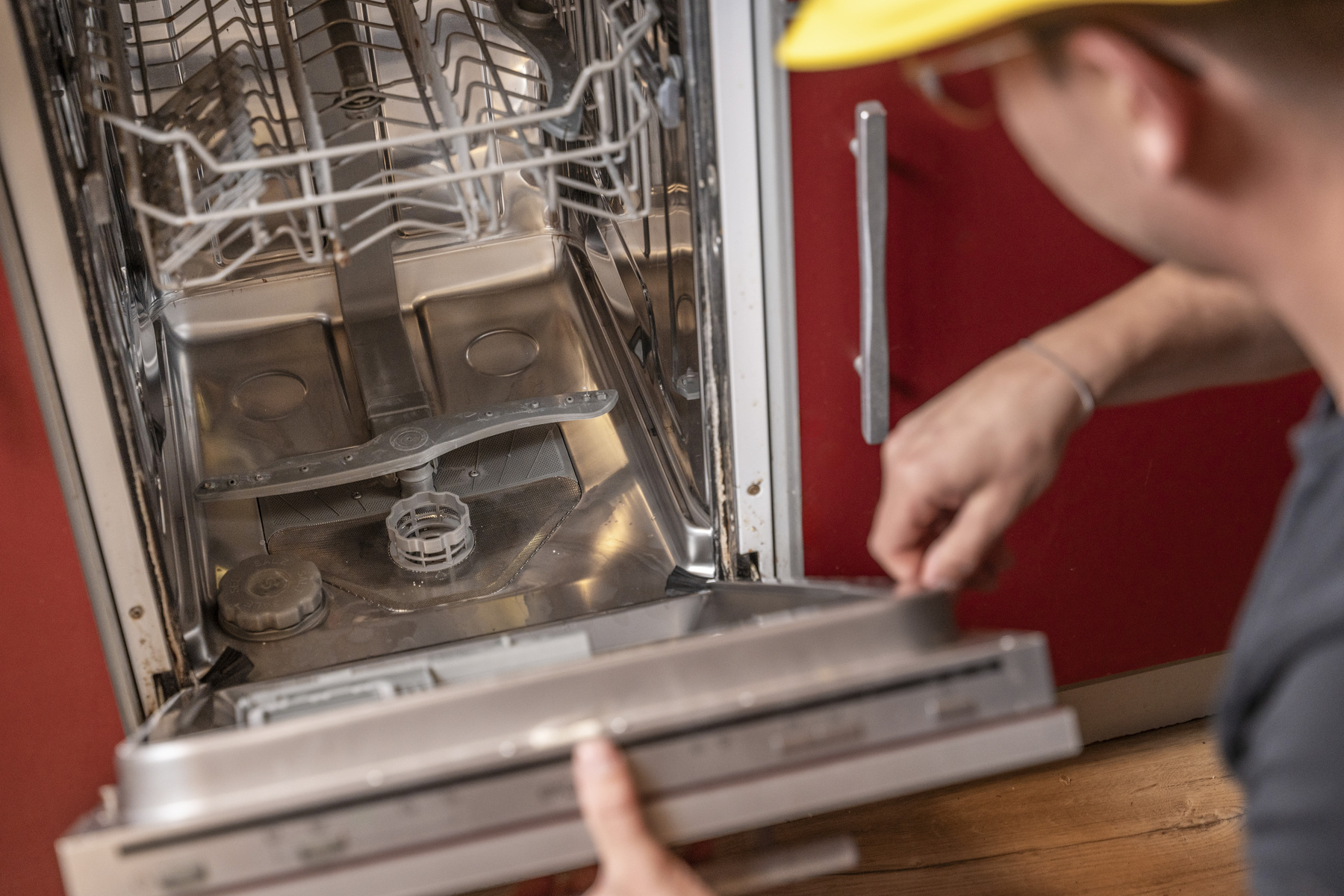
The directive initially targets product groups for which specific repairability requirements have already been established at the EU level. This includes items such as washing machines, dishwashers, mobile phones, and tablets. However, the scope is not fixed; the European Commission has the authority to issue legal acts for additional product categories, potentially expanding the list of repairable goods in the future.
For products manufactured outside the EU, the repair obligation will fall upon the manufacturer's authorized representative within the EU. If no such representative exists, the importer will be responsible for ensuring repair services are available. Legal experts note that while textiles, laptops, and furniture are not currently included, the list of covered products is expected to grow.
The list is likely to grow longer.
DistantNews Editorial
Originally published by Die Presse in German. Translated, summarized, and contextualized by our editorial team with added local perspective. Read our editorial standards.
More Stories



From Our Blog

What Gets Lost (and Found) When News Is Translated

The Critical Role of Diaspora Media in Global News

What Travellers Should Know About Countries with Restricted Press

A Digital Nomad's Guide to Following Local News

How the Same Story Looks Different in Different Countries
