


US Healthcare Stocks Could Shine Amid Tech Sector Uncertainty
Translated from German, summarized and contextualized by DistantNews.
At a glance
News
Named sources
Context piece
- US technology stocks have dominated global markets but face investor uncertainty over AI spending, prompting a look at the healthcare sector for diversification.
- Healthcare stocks offer relative stability due to low correlation with other industries and defensive aspects, with pharmaceutical companies benefiting from consistent revenue from drugs.
- Key growth drivers include the demographic shift and the expanding market for GLP-1 weight-loss drugs, with companies like Eli Lilly seeing increased demand and revised profit forecasts.
The dominance of the US technology sector in global stock markets is facing headwinds from investor uncertainty about the economic viability of high artificial intelligence spending. This has led experts to suggest that the healthcare sector could offer an attractive diversification opportunity.
Andy Acker, a portfolio manager at Janus Henderson Investors, highlights healthcare's relatively low correlation with other industries. He notes that the sector has historically performed better on days when technology stocks experienced significant declines. This resilience is partly attributed to the defensive characteristics of many healthcare companies, particularly pharmaceutical firms that generate relatively stable, recession-proof revenues from their drug portfolios.
Due to the relatively low correlation with other industries, the sector has tended to perform better on days when technology stocks recorded significant losses.
Long-term trends, such as demographic shifts, further bolster the appeal of the healthcare sector. Acker also points to the easing of major uncertainties, including trade conflicts and risks associated with US drug pricing policies. A change in leadership at the Food and Drug Administration (FDA) is also seen as a positive development, potentially signaling greater regulatory flexibility. These factors are expected to shift focus back to fundamental market drivers.
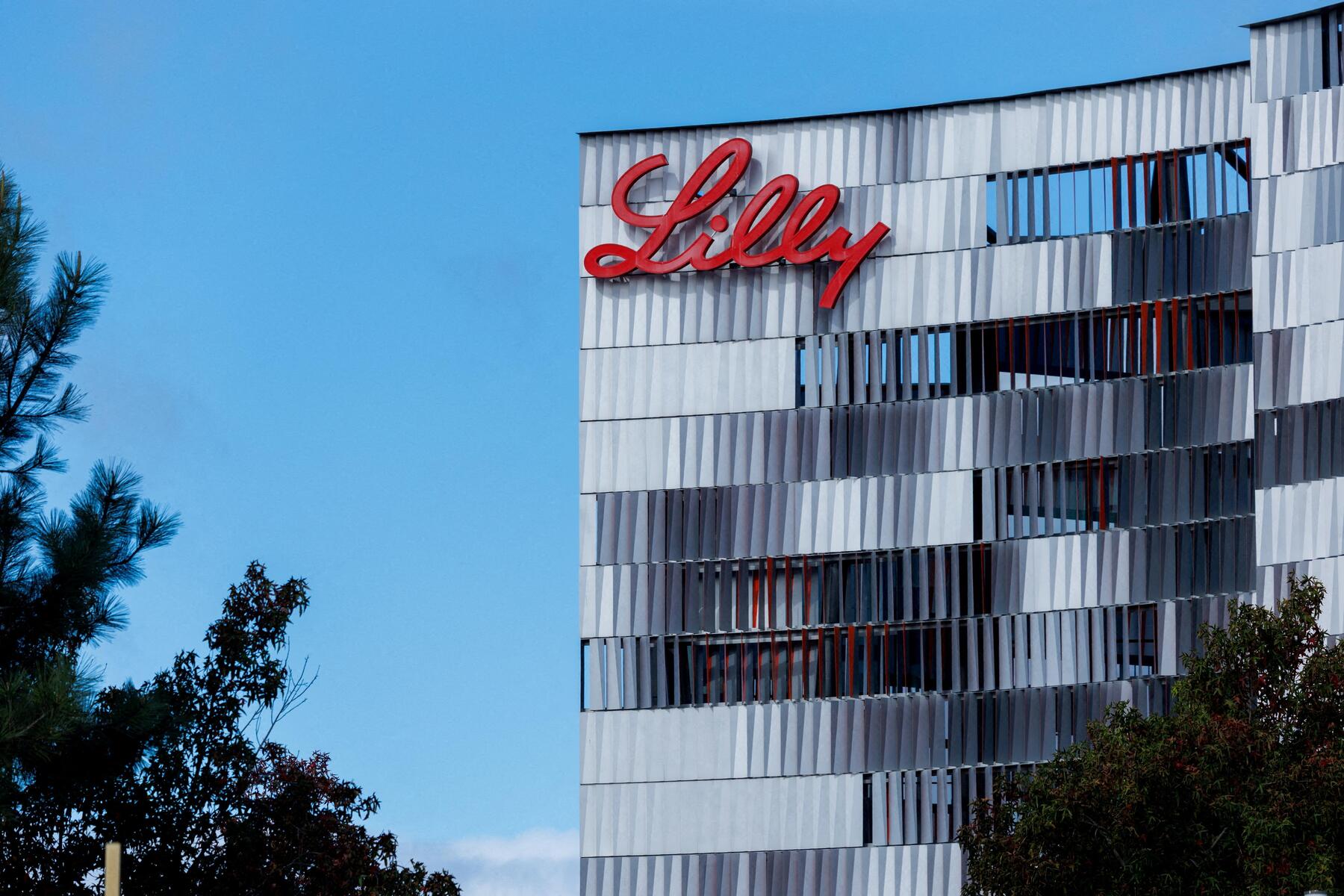
The market for GLP-1 weight-loss drugs, which also offer solutions for diabetes, is a significant growth area. US pharmaceutical giant Eli Lilly, for instance, raised its full-year profit forecast for 2026 due to strong demand for its weight-loss and diabetes medications, Zepbound and Mounjaro. Eli Lilly is part of the S&P 500 Health Care Index, which includes other notable companies like Abbvie, known for its treatments for inflammatory diseases, and Thermo Fisher Scientific, a major medical technology provider. UnitedHealth Group and Intuitive Surgical, a specialist in robot-assisted surgery, are also index members.
The greatest uncertainties due to trade conflicts and risks in drug pricing policy in the USA have largely subsided.
DistantNews Editorial
Originally published by Die Presse in German. Translated, summarized, and contextualized by our editorial team with added local perspective. Read our editorial standards.
More Stories



From Our Blog

What Gets Lost (and Found) When News Is Translated

The Critical Role of Diaspora Media in Global News

What Travellers Should Know About Countries with Restricted Press

A Digital Nomad's Guide to Following Local News

How the Same Story Looks Different in Different Countries
