


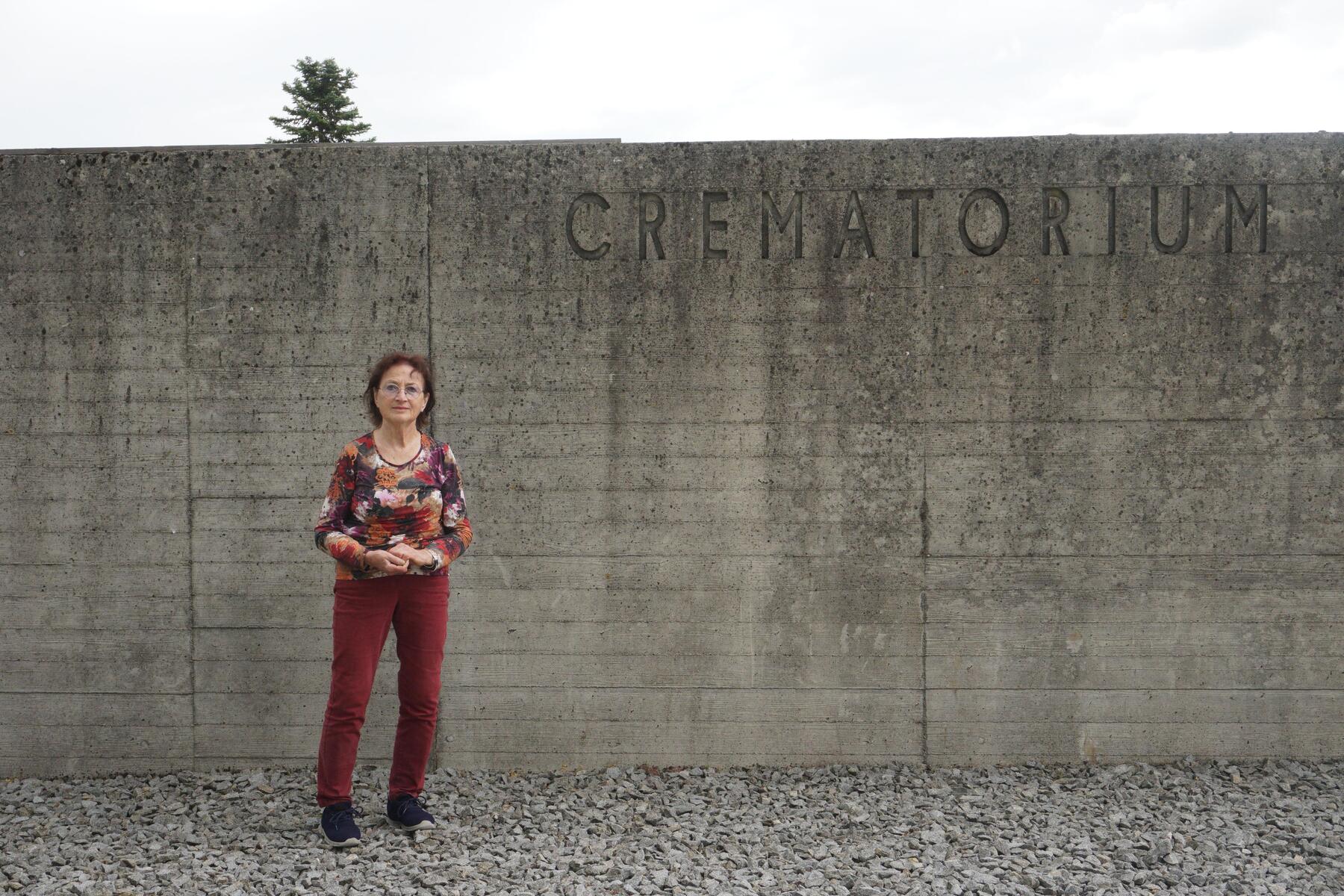
Austria plans memorial for Gusen concentration camp victims
Translated from German, summarized and contextualized by DistantNews.
At a glance
News
Sources not specified
New plan
- A new memorial site is planned for Gusen, Austria, to commemorate the victims of the Nazi concentration camp that operated there.
- The camp, a sub-camp of Mauthausen, housed 72,000 prisoners between 1939 and 1945, with approximately half of them killed.
- The memorial's delayed construction is due to the area being sold for housing development after the war, with many residents unaware of the site's history.
Gusen, a small Austrian municipality, is set to begin construction next year on a modern memorial site to honor the tens of thousands killed at its Nazi concentration camp. The camp, a sub-facility of the Mauthausen concentration camp, was known as the "hell of all hells." Prisoners from Mauthausen were forced to work in quarries and later in weapons production within the "Bergkristall" underground system.
Between 1939 and 1945, Gusen housed 72,000 prisoners, with roughly half perishing. While most victims were Polish, many also came from Italy and France. The construction of the memorial is notably delayed, raising questions about why it is only being established now. After the camp's liberation in 1945, it was plundered and parts were sold off. By the late 1940s, little remained. The land was returned to Austria in the mid-1950s, and significant portions were parceled out and sold for housing development, leading to settlements being built on the graves of thousands.
Many new residents were unaware of the site's grim history, while those who knew preferred to forget. In the 1960s, Ermeto Sordo, whose brother died at the camp, purchased the land where the crematorium oven once stood. He initiated an international fundraising campaign to establish a memorial, engaging an architectural group from Milan.
The people here dug their cellars and found prisoner shoes and God knows what else. In any case, very, very many bones.
DistantNews Editorial
Originally published by Die Presse in German. Translated, summarized, and contextualized by our editorial team with added local perspective. Read our editorial standards.
More Stories



From Our Blog

What Gets Lost (and Found) When News Is Translated

The Critical Role of Diaspora Media in Global News

What Travellers Should Know About Countries with Restricted Press

A Digital Nomad's Guide to Following Local News

How the Same Story Looks Different in Different Countries
