


Austria's asylum quota faces legal doubts despite public support
Translated from German, summarized and contextualized by DistantNews.
At a glance
News
Sources not specified
New plan
- Austria's new asylum rules prioritize practicality over legal certainty, particularly regarding family reunification.
- Experts question the legality of the proposed quota system for family reunification, citing EU law and practical implementation challenges.
- Despite legal doubts, the quota is popular among Austrians, reflecting concerns about integration, though its effectiveness as a quick fix is debated.
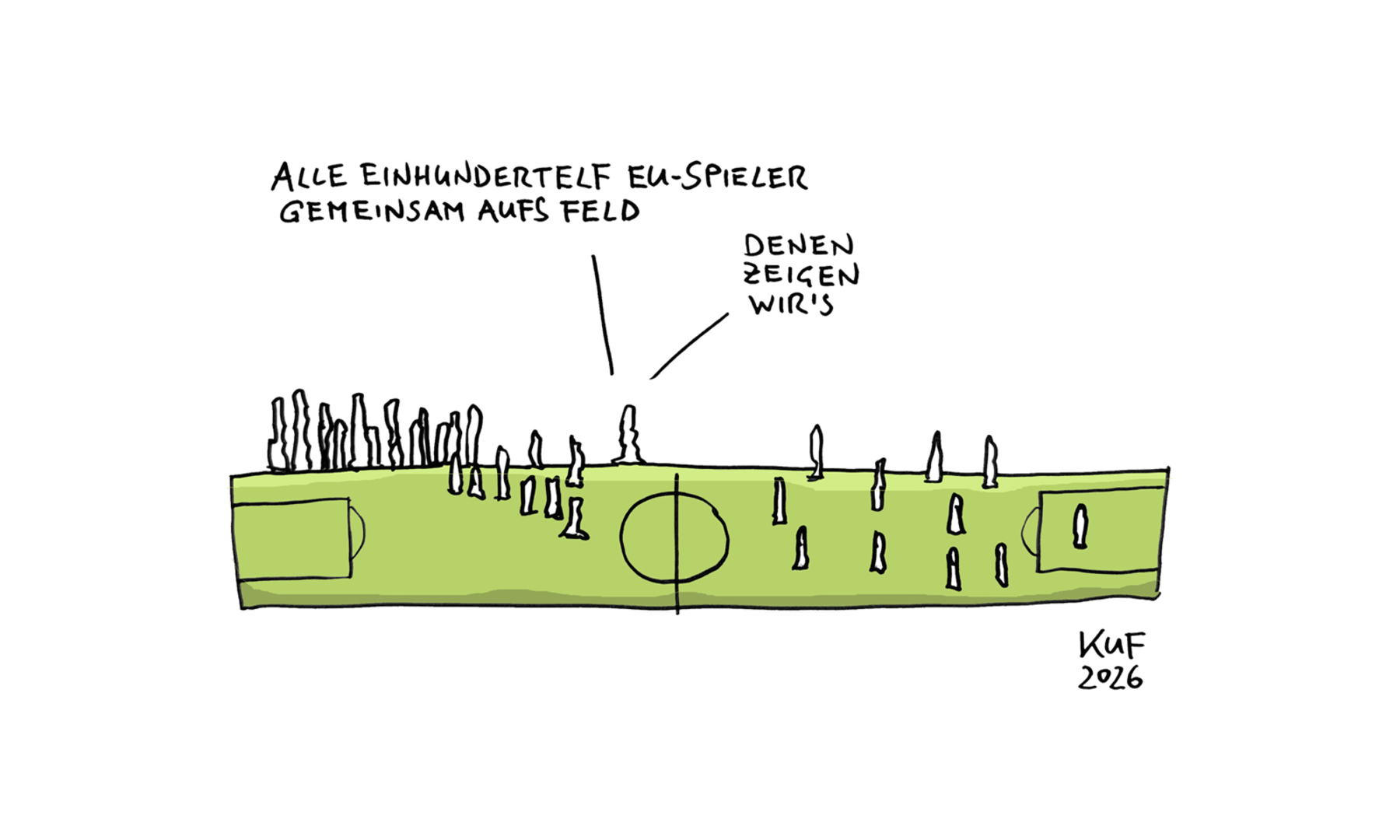
Austria's government is implementing new asylum rules that emphasize immediate impact over strict legal durability, particularly concerning family reunification. A key change, a quota for family members of asylum seekers, is a unilateral Austrian initiative that legal experts believe will not withstand EU legal scrutiny. The term "quota" is also misleading, as it refers to a waiting period of at least three years before eligible individuals can join family members.
According to legal experts, the quota for family reunification will not hold up under EU law.
Implementation has proven complicated, with the regulation shifted to state law to enhance legal standing. However, the federal government must now enforce this state law, as the states themselves are unwilling to take on additional work. A crucial element for determining the quota – an integration barometer measuring the absorption capacity of the states – is still missing, with the responsible ministry yet to provide it.
The term 'quota' is a kind of rhetorical sleight of hand. It means a waiting period.
Despite these legal and practical hurdles, the quota enjoys significant public support, with three-quarters of Austrians favoring it in a Gallup poll. This popularity likely stems from visible integration problems in schools. While the quota may not be a "quick fix," it is seen by some as a realistic approach in an asylum landscape where a decrease in applicants or an increase in departures is uncertain. The government's strategy of using a quota to manage the situation, while perhaps not entirely transparent, is understandable given the public sentiment and the perceived need for action.
Three-quarters of those surveyed are in favor of it.
Legal experts and NGOs point out that the quota could lead to more single, less socially integrated male refugees. The government might have been better served by focusing on other reforms outlined in the asylum pact, such as establishing binding emergency plans at both EU and national levels. These plans, lessons learned from past crises, would address issues like federal involvement in establishing reception centers and requiring states to maintain accommodation reserves. The current approach, while politically expedient, may only offer a temporary solution despite considerable effort.
What is being sold here is probably only temporarily sustainable despite considerable effort.
DistantNews Editorial
Originally published by Die Presse in German. Translated, summarized, and contextualized by our editorial team with added local perspective. Read our editorial standards.
More Stories



From Our Blog

What Gets Lost (and Found) When News Is Translated

The Critical Role of Diaspora Media in Global News

What Travellers Should Know About Countries with Restricted Press

A Digital Nomad's Guide to Following Local News

How the Same Story Looks Different in Different Countries
