


Austrian and Ethiopian Universities Collaborate on School Sanitation in Africa
Translated from German, summarized and contextualized by DistantNews.
At a glance
In-depth
Named sources
Context piece
- Universities in Austria and Ethiopia are collaborating on circular economy systems for African schools lacking water and sanitation.
- The project aims to improve hygiene and sanitation conditions in elementary schools in Ethiopia and Ghana.
- It involves establishing new toilets and hygiene concepts, including composting toilets, to address local needs.
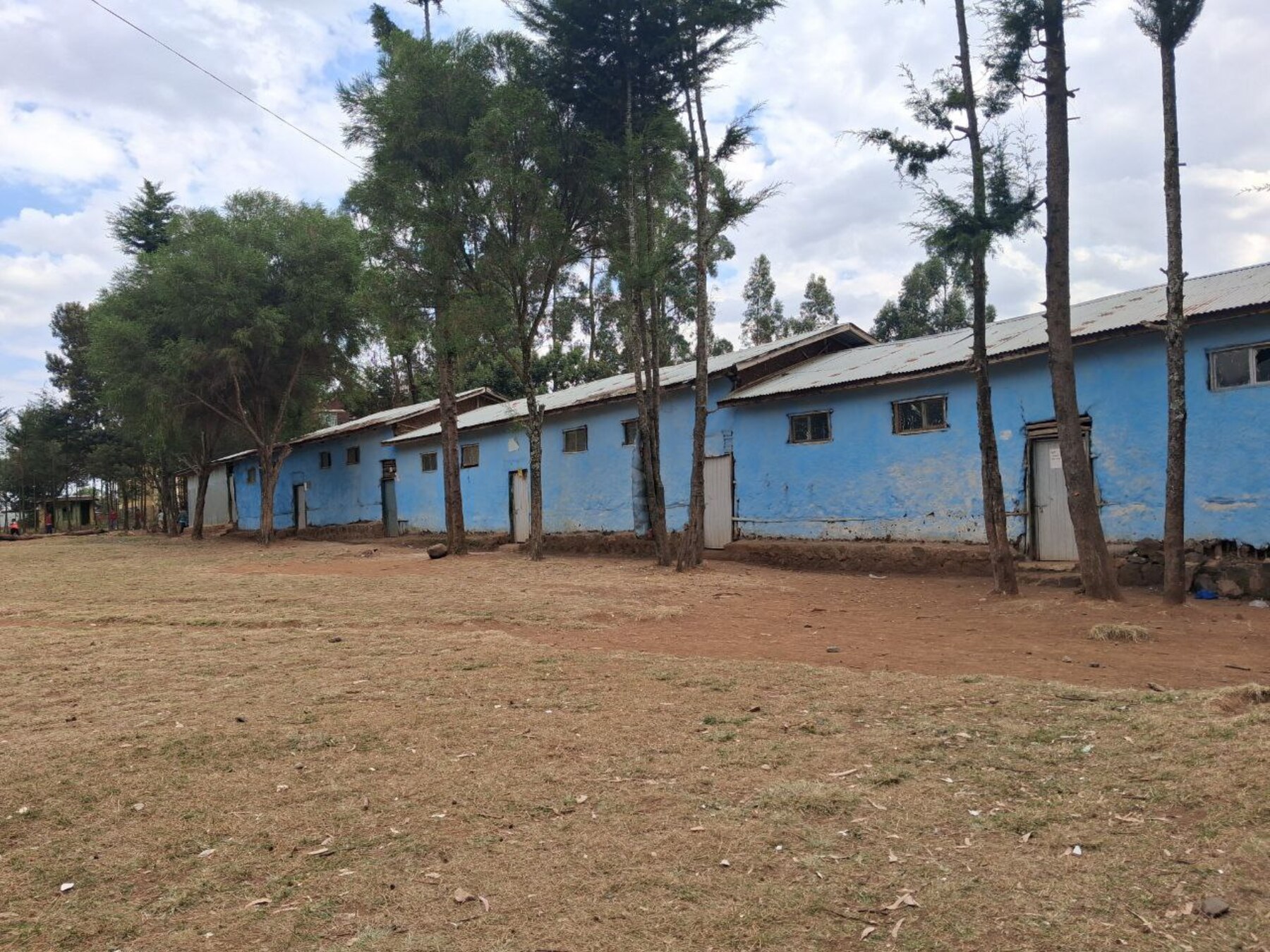
Inspired by the closed-loop systems essential for space missions, universities in Austria and Ethiopia are developing innovative circular economy solutions for schools in African regions with limited access to fresh water and sanitation. Claudia Probst, head of the Agrartechnology program at the FH Oberösterreich (Upper Austria University of Applied Sciences), is leading a project focused on creating sustainable hygiene and sanitation strategies for elementary schools. The initiative, part of the Africa-Uni-Net network organized by the OeAD (Agency for Education and Internationalisation), began after a professor from the Debre-Markos University in North Ethiopia contacted FH OÖ seeking concepts for implementing hygiene and circular economy practices in local schools. The project, titled "Safe" (Integrated Hygiene and Sanitation Strategies for Enhanced Elementary School Environments in Ethiopia & Ghana), now includes the University of Development Studies (USD) in northern Ghana as a second partner. Probst, who has extensive international research experience, noted that previous attempts to install toilet facilities in the partner regions failed due to the lack of running water and sewage systems. The "Safe" project aims to establish new toilet facilities and hygiene concepts in four pilot schools, one public and one private elementary school in each country. Traditional practices often involve basic pit latrines, sometimes with minimal shelter, which can be uncomfortable and unhygienic, particularly for girls during menstruation. The project seeks to provide more dignified and effective solutions, addressing the critical need for improved water, sanitation, and hygiene in these educational environments.
DistantNews Editorial
Originally published by Die Presse in German. Translated, summarized, and contextualized by our editorial team with added local perspective. Read our editorial standards.
More Stories


From Our Blog

What Gets Lost (and Found) When News Is Translated

The Critical Role of Diaspora Media in Global News

What Travellers Should Know About Countries with Restricted Press

A Digital Nomad's Guide to Following Local News

How the Same Story Looks Different in Different Countries
