


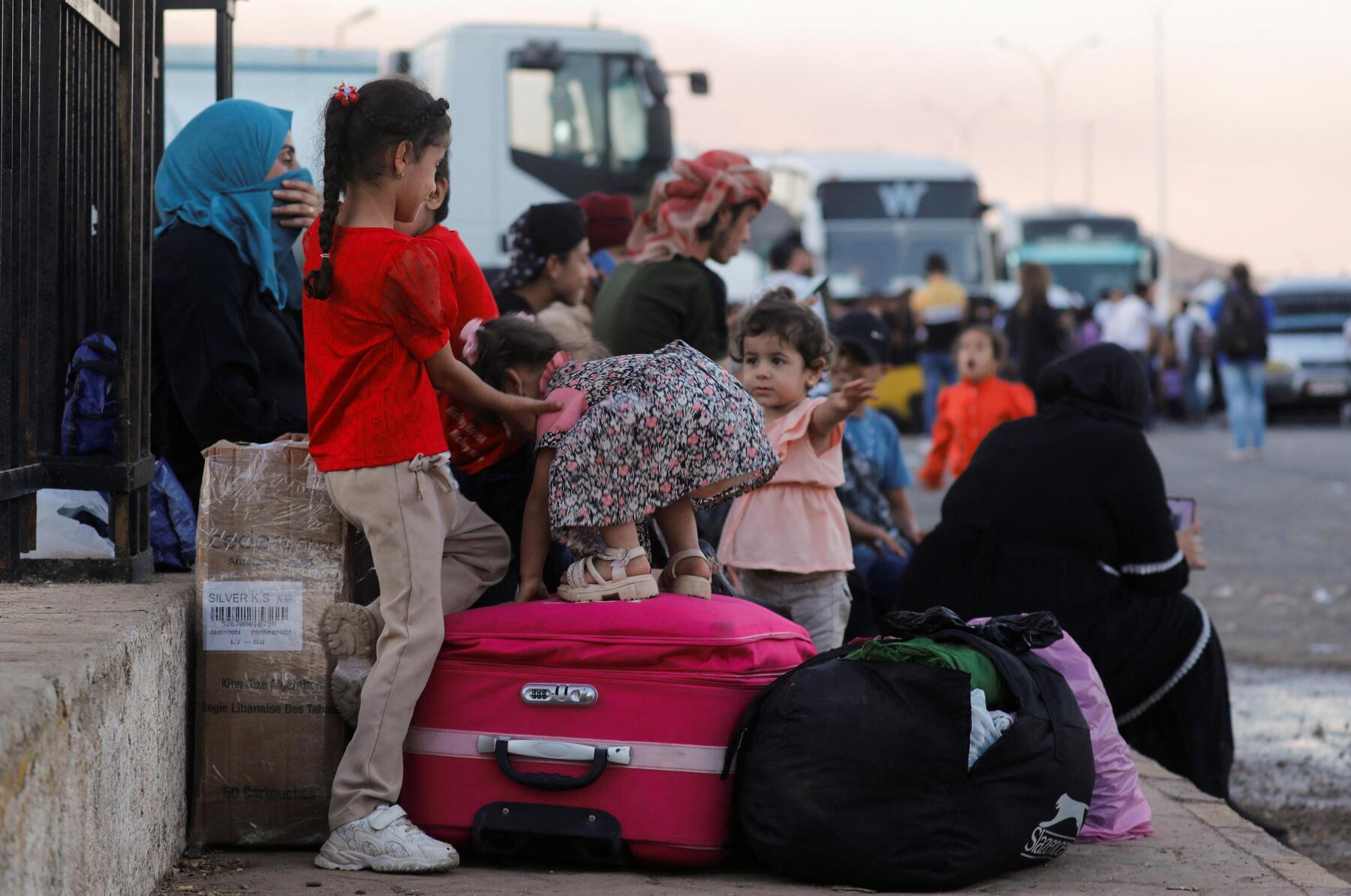
Global Displaced Population Decreases for First Time in a Decade, UNHCR Reports
Translated from German, summarized and contextualized by DistantNews.
At a glance
News
Official statement
Outcome reported
- The number of displaced people worldwide has decreased for the first time in a decade, though it remains high.
- In 2025, the global refugee population fell by 3% to 41.6 million, with 14.7 million people returning to their home regions.
- The UNHCR is calling for international support for a new initiative to provide long-term prospects for millions reliant on humanitarian aid, aiming to halve this number within ten years.
For the first time in ten years, the global number of displaced people has seen a decline, according to the UN Refugee Agency (UNHCR). While this marks a significant shift, the overall figure remains alarmingly high, with millions still forced to flee their homes due to violence and persecution.
The UNHCR's annual "Global Trends" report revealed that in 2025, the global refugee population decreased by three percent, reaching 41.6 million. Concurrently, 14.7 million individuals returned to their regions or countries of origin, including 4.4 million refugees and 10.3 million internally displaced persons. A substantial 70 percent of all refugees worldwide have been living in exile for years, many struggling below the poverty line.
UN High Commissioner Barham Salih urged the international community to back a new initiative aimed at offering sustainable futures to millions who currently depend on humanitarian aid. "Humanitarian aid saves lives, but it does not enable people to shape their lives independently," Salih stated, emphasizing the need for a fundamental change to provide hope and opportunities.
The initiative sets a clear goal: to reduce the number of refugees living in protracted exile and reliant on aid by more than half within the next decade. The focus will be on low- and middle-income countries, which host the majority of the world's refugees. Strategies include promoting voluntary returns, expanding resettlement programs, offering humanitarian visas, and transitioning from emergency relief to economic self-sufficiency.
Significant numbers of returns were observed in Afghanistan, Syria, and parts of Sudan, marking the second-highest level of returns recorded since data collection began 60 years ago. However, many returns occurred under difficult conditions. The report also noted that nearly 46,000 stateless individuals in 24 countries acquired citizenship last year, highlighting progress in addressing statelessness.
For refugees, survival is the first step, but displacement too often defines their permanent reality. Humanitarian aid saves lives, but it does not enable people to shape their lives independently. We need a fundamental change to provide hope and opportunities for people fleeing war and persecution.
DistantNews Editorial
Originally published by Die Presse in German. Translated, summarized, and contextualized by our editorial team with added local perspective. Read our editorial standards.
More Stories


From Our Blog

What Gets Lost (and Found) When News Is Translated

The Critical Role of Diaspora Media in Global News

What Travellers Should Know About Countries with Restricted Press

A Digital Nomad's Guide to Following Local News

How the Same Story Looks Different in Different Countries
