


Austrian Court Faces Caseload Surge, Demands More Staff
Translated from German, summarized and contextualized by DistantNews.
At a glance
News
Sources not specified
New plan
- The Austrian Federal Administrative Court (BVwG) saw a 25% increase in new cases in 2025, reaching 30,550, with asylum cases comprising 51%.
- A significant number of new cases, 7,600, also involved challenges to the ORF broadcast contribution fee.
- The court's president requested at least twenty additional positions to manage the growing workload, citing the need for adequate state funding for the judiciary.
The Austrian Federal Administrative Court (BVwG) experienced a substantial surge in its workload last year, with new cases rising by 25% to a total of 30,550 in 2025. This increase places significant pressure on the court's resources, prompting its leadership to call for more staff.
Asylum-related cases continue to dominate the court's docket, accounting for 51% of all new proceedings initiated in 2025. This reflects the ongoing challenges in processing refugee claims within the European Union. Alongside asylum matters, the court also handled a considerable number of cases, 7,600, related to challenges against the newly introduced ORF broadcast contribution fee.
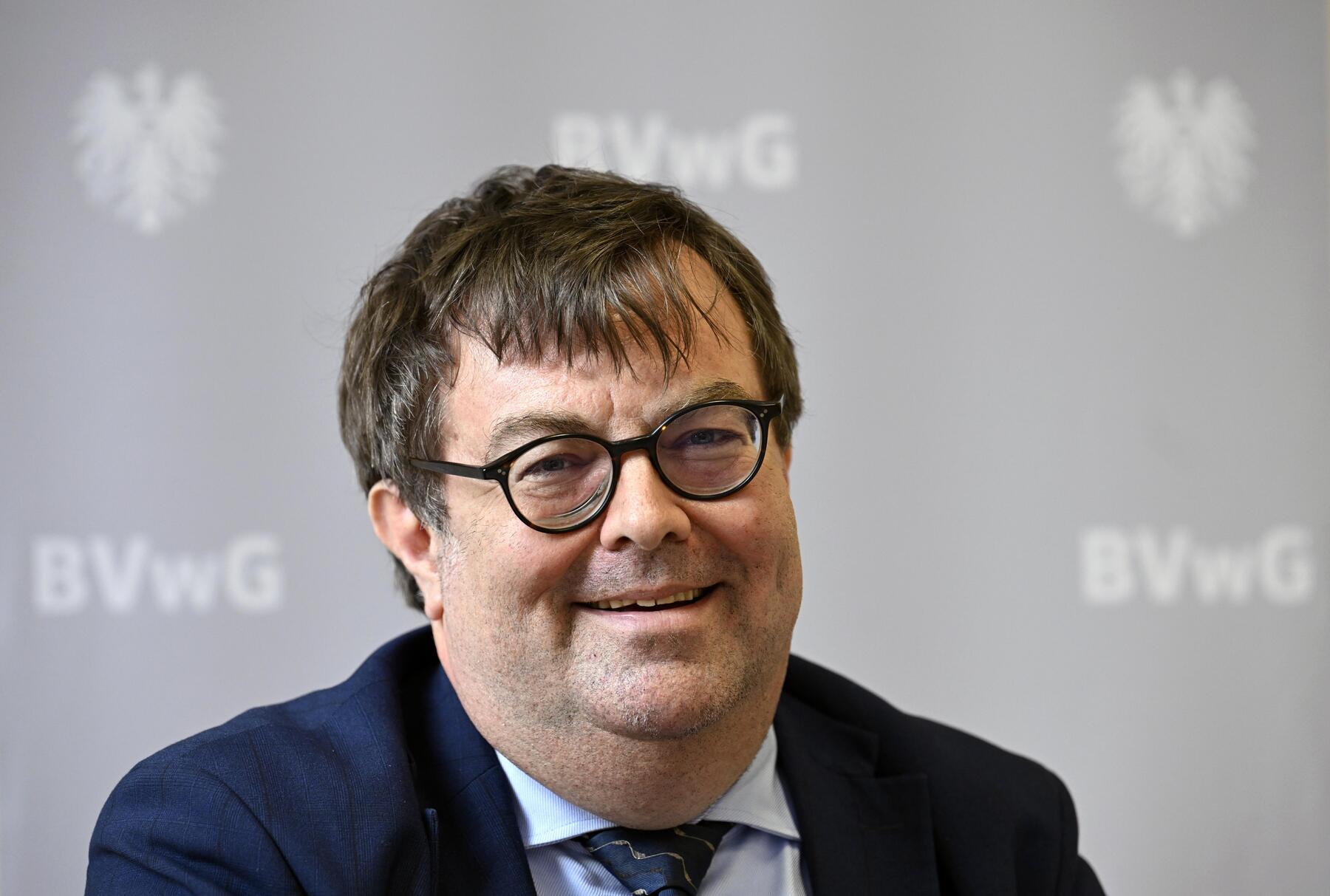
Christian Filzwieser, President of the BVwG, highlighted that while the court managed to conclude 17% more cases in 2025 compared to the previous year, the growing volume necessitates additional support. He formally requested at least twenty new positions to adequately address the increasing number of tasks assigned by the government, including those stemming from the Freedom of Information Act and new EU asylum regulations.
Filzwieser stressed the critical importance of judicial funding, warning that underfunding the courts harms the state. Delays in legal proceedings can postpone infrastructure projects and potentially lead to compensation claims against the Republic if the court cannot decide cases within statutory deadlines due to resource constraints. The court's leadership also noted that while the Presidential position was vacant for over a year before Filzwieser's appointment in February 2024, the presidium is now fully staffed.
DistantNews Editorial
Originally published by Die Presse in German. Translated, summarized, and contextualized by our editorial team with added local perspective. Read our editorial standards.
More Stories


From Our Blog

What Gets Lost (and Found) When News Is Translated

The Critical Role of Diaspora Media in Global News

What Travellers Should Know About Countries with Restricted Press

A Digital Nomad's Guide to Following Local News

How the Same Story Looks Different in Different Countries
