


Austrian intelligence sees no link between Berlin attacker and Austria's Islamists
Translated from German, summarized and contextualized by DistantNews.
At a glance
News
Named sources
Under investigation
- Austrian authorities have found no connection between the Berlin attacker and the Islamist scene in Austria, despite media reports suggesting a marriage to a woman from Salzburg.
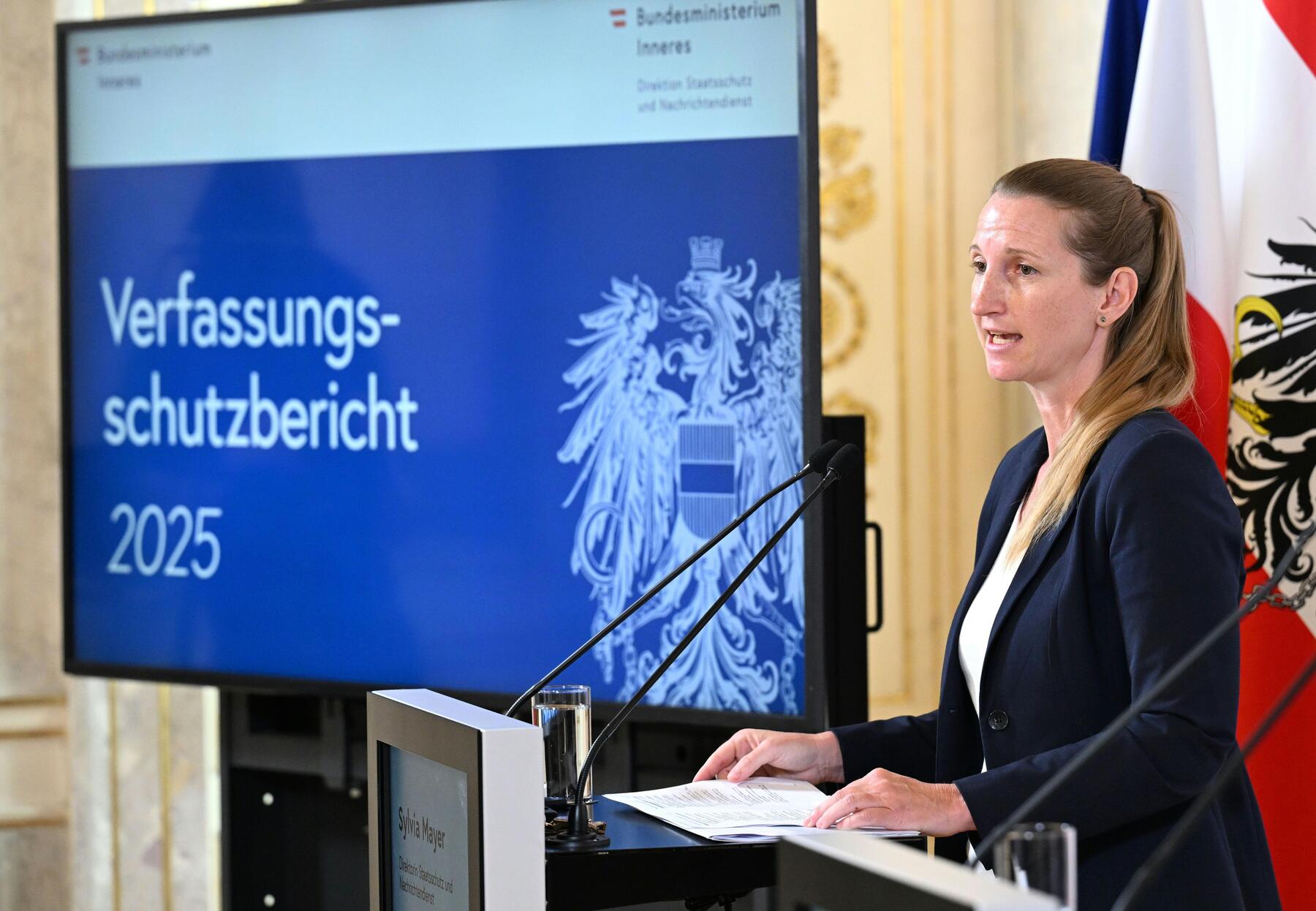
- The head of the Directorate for State Security and Intelligence (DSN), Sylvia Mayer, called for electronic monitoring (foot shackles) for individuals deemed dangerous.
- Mayer stated that there is currently a "low three-digit number" of Islamist extremists in Austria.
Austrian security officials have stated that there is no evidence linking the perpetrator of the recent attack in Berlin to the Islamist extremist network within Austria. This assertion comes despite German media reports suggesting the attacker, identified as Abdul B., was married according to Islamic law to a woman from Salzburg between 2023 and 2024.
Sylvia Mayer, the director of Austria's Directorate for State Security and Intelligence (DSN), addressed the matter on Tuesday, confirming that Austrian authorities have found no connection to the Austrian Islamist scene. The 21-year-old German citizen of Lebanese origin drove a van into a crowd at a Christopher Street Day event in Berlin on Saturday evening, killing a 65-year-old Polish woman and injuring 29 others. He was shot and killed by police on Sunday after allegedly threatening officers with a knife.
enable large-scale monitoring of these individuals and prevent them from accessing certain locations.
Abdul B. had previously attempted to join the Islamic State (IS) in Syria and was convicted months before the attack for preparing a serious act of violence that threatened state security. However, he was at liberty at the time of the incident.
In light of such threats, Mayer reiterated calls, echoed by Interior Minister Gerhard Karner, for the implementation of electronic monitoring devices, or "foot shackles," for individuals released from custody who are considered dangerous. Mayer explained that such measures would enable "large-scale monitoring of these individuals" and prevent them from accessing certain locations. She estimated that there are currently a "low three-digit number" of Islamist extremists present in Austria.
a low three-digit number
DistantNews Editorial
Originally published by Die Presse in German. Translated, summarized, and contextualized by our editorial team with added local perspective. Read our editorial standards.
More Stories

From Our Blog

What Gets Lost (and Found) When News Is Translated

The Critical Role of Diaspora Media in Global News

What Travellers Should Know About Countries with Restricted Press

A Digital Nomad's Guide to Following Local News

How the Same Story Looks Different in Different Countries
