

Austrian Pensioners' Association Rejects Higher Retirement Age as Socially Unjust
Translated from German, summarized and contextualized by DistantNews.
At a glance
News
Official statement
Outcome reported
- The Austrian Pensioners' Association president, Birgit Gerstorfer, rejects raising the retirement age, calling it socially unjust.
- Gerstorfer argues that linking retirement age to life expectancy ignores the reality of many workers' health and employment prospects.
- She advocates for policies that keep older workers employed and ensure full compensation for inflation on pensions, emphasizing pensions as earned benefits.
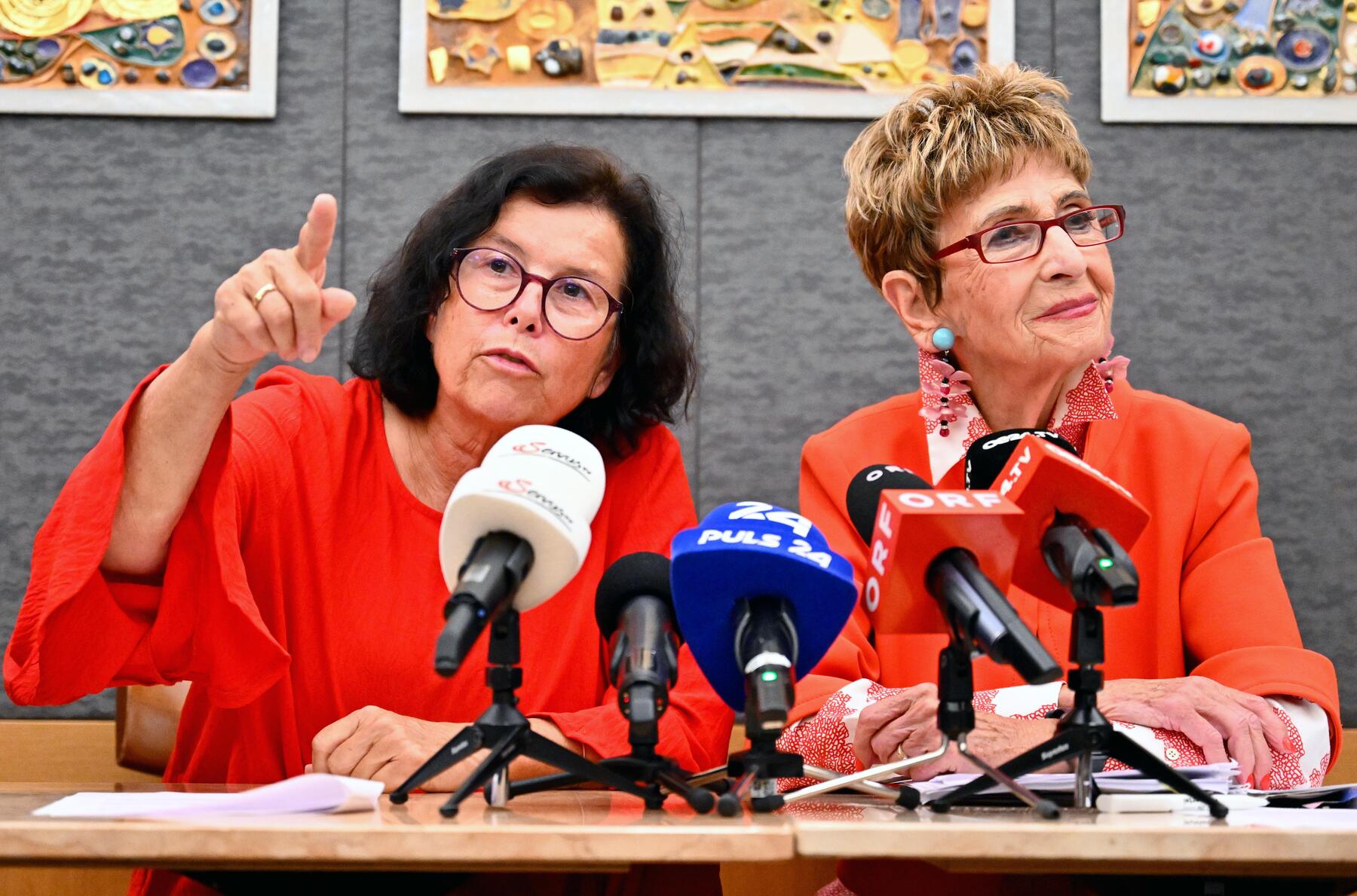
Birgit Gerstorfer, president of the Austrian Pensioners' Association (PVÖ), firmly opposes increasing the retirement age, deeming such a move socially unjust and out of touch with the realities faced by many workers. Her stance directly contrasts with that of Ingrid Korosec, the head of the Austrian Seniors' Association, who had expressed openness to discussing a higher retirement age, particularly for those who started working later in life.
Linking the retirement age to life expectancy would be socially unjust and would completely disregard the reality of many employees.
Gerstorfer argued that simply extending life expectancy does not equate to an extended period of good health or work capacity. She pointed to the labor market statistics, noting that approximately 120,000 people aged 50 and over were unemployed or in training in June. "Before discussing a higher retirement age, it must finally be ensured that older people can remain employed until retirement," Gerstorfer stated, emphasizing that the issue lies not with the pension system itself, but with the limited opportunities for older workers.
Living longer does not automatically mean being able to work longer while remaining healthy and fully capable.
The PVÖ calls for a fundamental shift in labor market policies, advocating for greater corporate responsibility in retaining older employees. Gerstorfer also expressed strong criticism of proposals to link retirement to the number of years worked, fearing it would create new inequities. Such a model, she explained, would disadvantage individuals with longer educational paths, like academics, and disproportionately affect women who have taken career breaks for childcare or elder care.
Before discussing a higher retirement age, it must finally be ensured that older people can remain employed until retirement.
"Those who have performed socially indispensable work must not be punished in old age for it," Gerstorfer asserted. The association stresses the importance of strengthening public trust in the pension system by maintaining a stable legal retirement age and fully preserving the purchasing power of pensions. "The pension is not charity, but an earned benefit," she concluded, underscoring the need for full compensation for inflation.
Those who have performed socially indispensable work must not be punished in old age for it.
DistantNews Editorial
Originally published by Die Presse in German. Translated, summarized, and contextualized by our editorial team with added local perspective. Read our editorial standards.
More Stories


From Our Blog

What Gets Lost (and Found) When News Is Translated

The Critical Role of Diaspora Media in Global News

What Travellers Should Know About Countries with Restricted Press

A Digital Nomad's Guide to Following Local News

How the Same Story Looks Different in Different Countries
