


Autism Inclusion: Ghana Must Move Beyond Awareness to Action
Translated from English, summarized and contextualized by DistantNews.
At a glance
News
Sources not specified
Context piece
- Ghana must transition from merely raising awareness about autism to implementing practical actions that improve the lives of individuals with autism and their families.
- The Ministry of Health's call for resource commitment and policy reforms over five years to combat autism stigma is timely, addressing persistent challenges in school and workplace inclusion.
- Addressing autism inclusion requires investment in specialized services, trained professionals, and community-based interventions, moving beyond limitations to focus on ability, opportunity, and support.
Conversations surrounding autism in Ghana have long focused on awareness and acceptance, but the time has come to shift towards concrete actions that tangibly improve the lives of individuals with autism and their families. The Ministry of Health's recent call for a five-year commitment to resource allocation and policy reforms aimed at tackling autism stigma is a crucial and timely development.
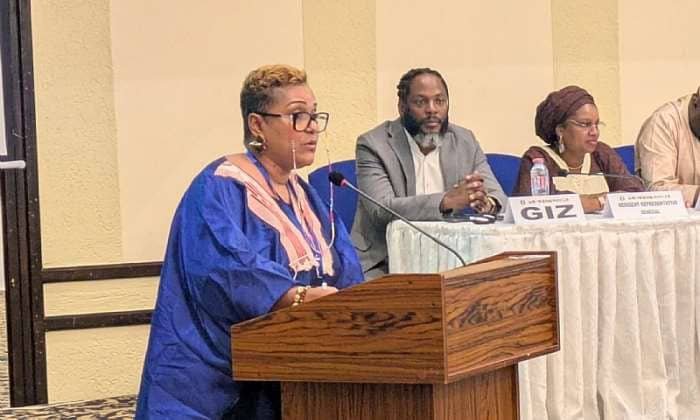
Despite ongoing efforts by the government and various stakeholders, stigma continues to be a significant barrier to the inclusion of people with autism in educational institutions, workplaces, and wider communities. Dr. Hafez Adam Taher, Director of Technical Coordination at the Ministry of Health, highlighted these persistent challenges at the fifth Annual Autism Workshop and Consultation in Accra. He stressed that autism should be viewed not as a limitation, but as a condition that presents unique abilities, opportunities, and a need for support. "Equal opportunity and reasonable workplace accommodation are not luxuries. They are the bridge between potential and contribution," Dr. Taher stated, emphasizing that inclusion is a matter of fairness and national development, not charity.
Ghana faces substantial gaps in access to specialized services. The concentration of developmental pediatrics and child psychiatry services in urban centers leaves many families, especially those outside major cities, struggling to obtain early diagnosis and crucial support. Limited access to essential therapies like speech and occupational therapy further exacerbates the burden on families. Early intervention is recognized as vital for individuals with autism, but this necessitates significant investment in training professionals, enhancing healthcare services, providing educational support, and developing community-based interventions.
The Ministry of Health's commitment to improving early identification, expanding specialist capacity, and promoting evidence-based interventions is a positive step. However, these commitments must be translated into tangible actions, supported by adequate funding and clear timelines. The private sector, exemplified by GT Bank's ongoing support for autism awareness initiatives, also plays a role. Ultimately, autism inclusion must be integrated into Ghana's broader national development agenda, requiring schools to be better equipped and teachers to receive specialized training to effectively support children with autism.
Equal opportunity and reasonable workplace accommodation are not luxuries. They are the bridge between potential and contribution.
DistantNews Editorial
Originally published by Ghanaian Times in English. Translated, summarized, and contextualized by our editorial team with added local perspective. Read our editorial standards.
More Stories


From Our Blog

What Gets Lost (and Found) When News Is Translated

The Critical Role of Diaspora Media in Global News

What Travellers Should Know About Countries with Restricted Press

A Digital Nomad's Guide to Following Local News

How the Same Story Looks Different in Different Countries
