


Autistic Nigerians still shut out of schools, jobs, Experts
Translated from English, summarized and contextualized by DistantNews.
At a glance
News
Named sources
Context piece
- Experts in Nigeria lament that individuals with autism are still excluded from education and employment due to weak government policies and stigma.
- The 16th Annual GTCO Autism Conference highlighted the need for reforms to make institutions more inclusive for neurodiverse individuals.
- While awareness has grown, meaningful inclusion remains elusive, leaving families to bear the burden of care without adequate support.
Sixteen years after autism advocacy began in Nigeria, experts are sounding the alarm that thousands of individuals with autism remain excluded from schools, workplaces, and community life. They attribute this persistent exclusion to weak government policies, inadequate public support systems, and ongoing stigma. Despite increased public awareness, meaningful inclusion has yet to materialize, placing a significant emotional and financial burden on families.
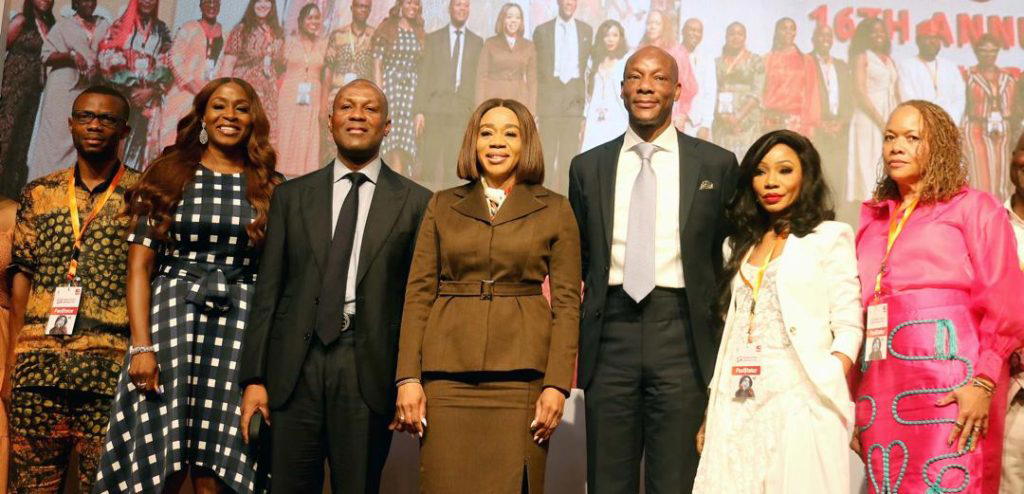
These concerns were voiced at the opening of the 16th Annual GTCO Autism Conference in Lagos. Healthcare professionals, educators, parents, policymakers, and autism advocates called for urgent reforms to foster greater inclusivity in schools, workplaces, and public institutions for people with autism and other neurodiverse conditions. The conference emphasized that awareness must now translate into concrete action.
Our journey over the last 16 years was to create awareness because too many families lived in denial. I think we have largely achieved that. The next challenge is learning how to live with people on the spectrum, educating ourselves and making the journey easier for families.
Mr. Segun Agbaje, Group Chief Executive Officer of GTCO Plc, acknowledged Nigeria's progress in overcoming the initial culture of silence surrounding autism. However, he stressed that the next challenge is to foster understanding and create an easier journey for families affected by autism. Agbaje highlighted that creating opportunities for individuals on the spectrum is a shared responsibility involving governments, schools, employers, and communities. He pledged GTCO's continued commitment to the annual conference.
Autism advocate and behavioral analyst Mrs. Solape Azazi pointed out that Nigeria's primary challenge is no longer identifying autism but ensuring acceptance and equal opportunities for children with the condition. Drawing from her personal experience as a mother of an autistic son, Azazi described the ongoing struggles many parents face with rejection, isolation, caregiver burnout, and poor mental health due to societal attitudes. She defined acceptance as a behavior, emphasizing that children need to find acceptance at home to understand what it looks like outside.
Acceptance is a behaviour. It is choosing connection over correction. If your child doesn’t find acceptance at home, how can the child know what acceptance looks like outside?
DistantNews Editorial
Originally published by Vanguard in English. Translated, summarized, and contextualized by our editorial team with added local perspective. Read our editorial standards.
More Stories


From Our Blog

How the Same Story Looks Different in Different Countries

What Gets Lost (and Found) When News Is Translated

The Critical Role of Diaspora Media in Global News

What Travellers Should Know About Countries with Restricted Press

A Digital Nomad's Guide to Following Local News
