


Autumn electricity more expensive. What's behind the new energy tariffs
Translated from Romanian, summarized and contextualized by DistantNews.
At a glance
News
Sources not specified
Context piece
- Romanian energy providers are signaling higher electricity tariffs for household consumers starting this autumn.
- Factors contributing to the price increase include drought affecting hydropower, renewable energy fluctuations, and rising system balancing costs.
- Experts advise that investments in energy storage and grid modernization are crucial alongside production capacity.
Romanian consumers are bracing for higher electricity bills this autumn as some energy providers begin transmitting new offers with increased tariffs. This shift occurs as energy market support schemes are phased out, making prices more sensitive to wholesale market conditions and the actual costs of the energy system.
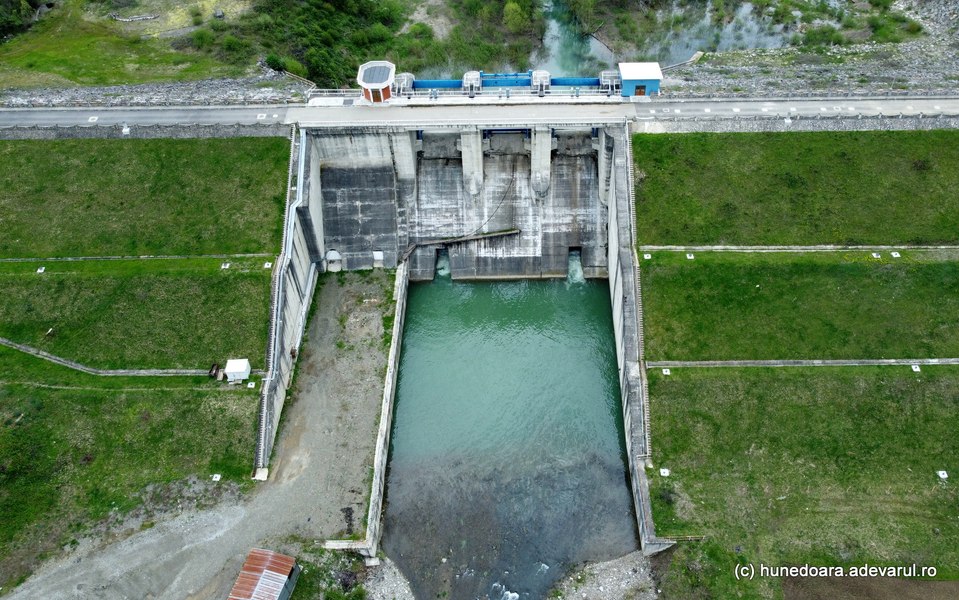
Several factors are contributing to the anticipated price hikes. These include reduced hydropower production due to drought, the intermittent nature of renewable energy sources, the necessity for imports during peak demand, and escalating costs for balancing the national energy grid. For a typical household consuming 200 kWh monthly, these changes could translate to an additional 36 lei on their bills, even with consistent energy usage.
There are several causes that overlap. First of all, we see high volatility of prices on the wholesale market. Romania produces more and more renewable energy, but the problem arises in the hours when this production decreases, especially in the evening. Then the system must resort to more expensive sources or imports. Another problem is that we do not yet have sufficient storage capacity. We can have very cheap energy at noon and very expensive energy a few hours later. Suppliers take this volatility and the risk of price evolution into account when building their offers.
Energy expert Silviu Gresoi explained that the current situation is a result of overlapping issues. He pointed to high volatility in the wholesale market, noting that while Romania is increasing its renewable energy output, the system struggles during periods of low production, particularly in the evenings. This necessitates reliance on more expensive sources or imports, exacerbated by a lack of sufficient energy storage capacity. Consequently, prices can swing dramatically from very cheap during midday to very expensive just hours later.
Gresoi clarified that the proposed tariff of 1.53 lei/kWh is not solely the wholesale market price. It incorporates additional costs such as transport, distribution, system services, and taxes. He emphasized that Romania's challenge lies not just in energy production volume but in ensuring a consistent supply at a competitive price when needed. Therefore, investments in storage solutions and grid modernization are as vital as expanding production capabilities to ensure energy availability and affordability.
However, an important clarification must be made: 1.53 lei/kWh does not represent the price of energy on the stock exchange. Transport, distribution, system services, taxes, and other components are also included in the final bill. Romania's problem is not just how much energy we produce, but whether we have it available, at a competitive price, exactly when we need it. That is why investments in storage and grid modernization are becoming as important as investments in new production capacities.
DistantNews Editorial
Originally published by Adevărul in Romanian. Translated, summarized, and contextualized by our editorial team with added local perspective. Read our editorial standards.
More Stories
From Our Blog

What Gets Lost (and Found) When News Is Translated

The Critical Role of Diaspora Media in Global News

What Travellers Should Know About Countries with Restricted Press

A Digital Nomad's Guide to Following Local News

How the Same Story Looks Different in Different Countries
