

Romania warns EU of nuclear plant risk amid severe drought and low Danube levels
Translated from Romanian, summarized and contextualized by DistantNews.
At a glance
News
Official statement
Ongoing story
- Romania's Energy Ministry alerted the European Commission about severe drought impacting the Danube River and threatening the Cernavodă Nuclear Power Plant.
- Unit 1 of the plant was disconnected on July 28 due to low water levels, and Unit 2 is at risk of shutdown, potentially affecting the national power grid.
- The situation is exacerbated by a heatwave, increasing electricity demand while critically low Danube levels approach the safety threshold for cooling pumps.
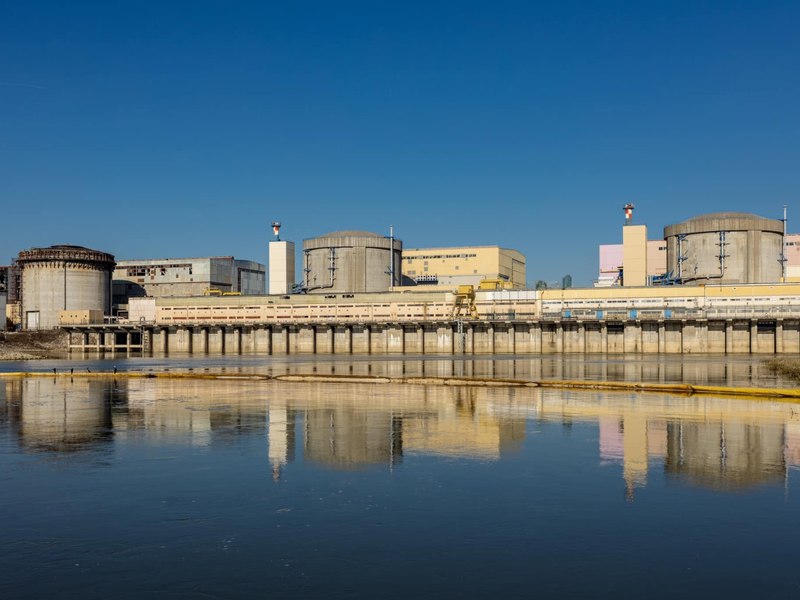
Romania has issued an early alert to the European Commission and member states regarding a severe hydrological drought that has drastically reduced the Danube River's flow, jeopardizing the safe operation of the Cernavodă Nuclear Power Plant.
In the context of a severe hydrological drought, the hydrological regime of the Danube River is characterized by reduced water flows and levels, with negative effects on the existing hydrological conditions in the Cernavodă sector.
The Ministry of Energy stated that unfavorable hydrological conditions have already led to the disconnection of Unit 1 at the Cernavodă plant on July 28. The ministry warns that continued or worsening drought conditions could force the shutdown of Unit 2, which would have significant consequences for Romania's national power system.
The crisis is compounded by a persistent heatwave across Romania, leading to a substantial increase in electricity consumption. The ministry estimates that evening peak demand could reach 7,800-8,000 MW, up from around 7,000 MW before the heatwave began.
The unfavorable hydrological conditions have already led to the disconnection of Unit 1 of CNE Cernavodă on July 28.
Critically, the extremely low water levels of the Danube are nearing the threshold required for the safe operation of the plant's cooling pumps. According to the National Institute of Hydrology and Water Management, the Danube's minimum flow in August could drop to 1,400 cubic meters per second, with a projected average of only 1,600 cubic meters per second. Romanian authorities have notified the European Commission as part of their energy risk preparedness plan.
The extremely low flow of the Danube is close to the critical threshold for the safe operation of the cooling pumps of the Cernavodă Nuclear Power Plant, respectively close to the critical level at which nuclear units must be shut down according to nuclear safety procedures.
DistantNews Editorial
Originally published by Adevărul in Romanian. Translated, summarized, and contextualized by our editorial team with added local perspective. Read our editorial standards.
More Stories



From Our Blog

What Gets Lost (and Found) When News Is Translated

The Critical Role of Diaspora Media in Global News

What Travellers Should Know About Countries with Restricted Press

A Digital Nomad's Guide to Following Local News

How the Same Story Looks Different in Different Countries
