


Backrooms: When Everyday Places Become Horror
Translated from German, summarized and contextualized by DistantNews.
At a glance
In-depth
Sources not specified
Context piece
- The "Backrooms" concept, originating from mundane everyday locations, has become an internet phenomenon.
- This internet sensation has now been adapted into a Hollywood blockbuster.
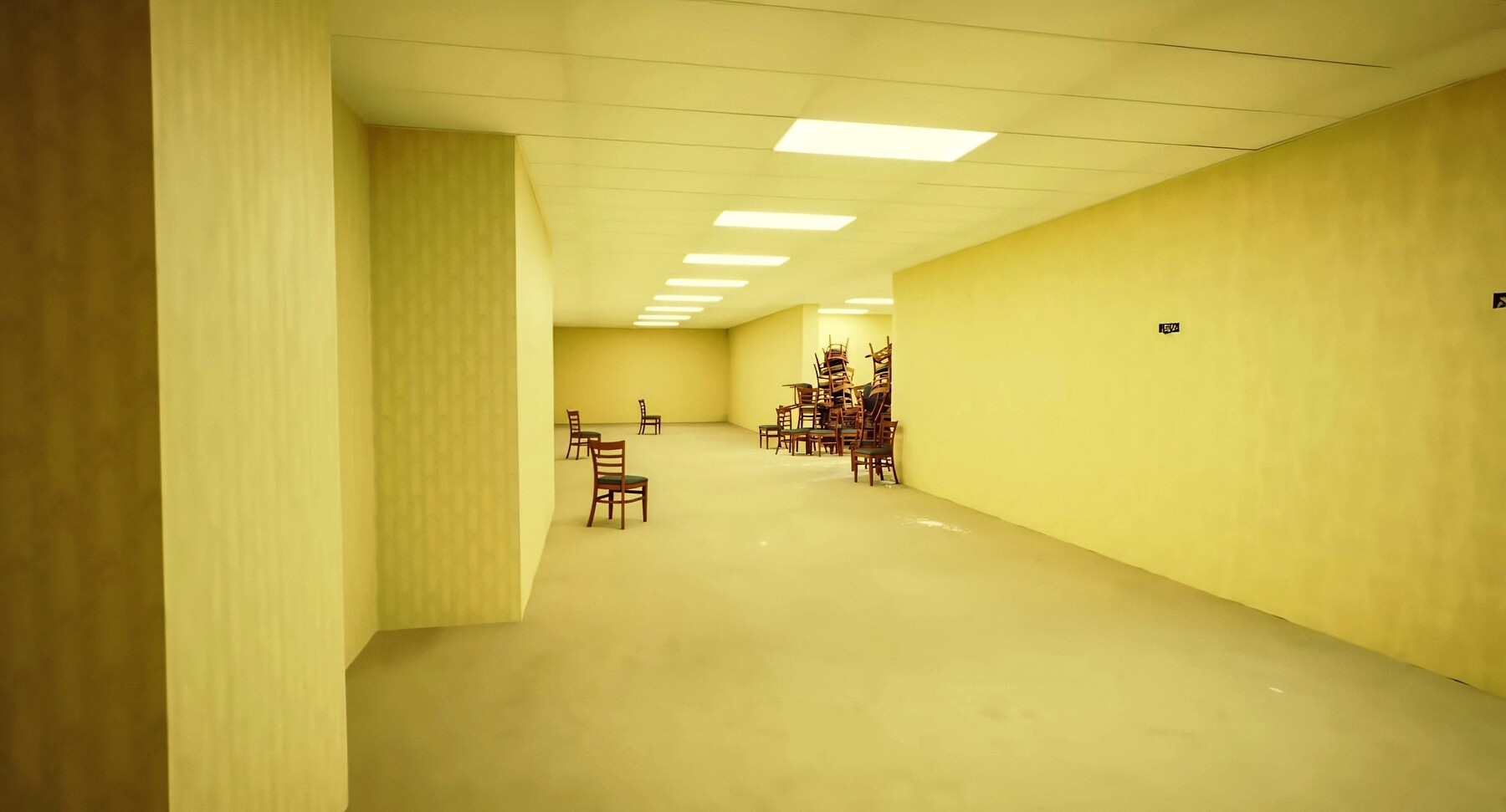
- The aesthetic of faded wallpaper, nondescript carpets, and ceiling neon squares defines this horror genre.
The eerie allure of "Backrooms," a concept born from the unsettling familiarity of mundane everyday spaces, has transcended the internet to become a Hollywood blockbuster. This phenomenon taps into a shared subconscious dread evoked by spaces like faded wallpaper, nondescript carpets, and the stark geometry of ceiling neon squares.
What began as an internet meme, often depicted in liminal spaces that feel both familiar and alien, has captured the imagination of a global audience. The aesthetic, characterized by its sterile, repetitive, and often decaying environments, creates a unique brand of psychological horror. This visual language has proven potent enough to transition from online forums to the big screen, promising a cinematic experience that leverages these unsettlingly ordinary settings for maximum fright.
The success of "Backrooms" highlights a growing trend in horror that finds terror not in the supernatural or the monstrous, but in the uncanny nature of everyday environments. It suggests audiences are receptive to narratives that explore anxieties about isolation, repetition, and the hidden dangers lurking beneath the surface of the ordinary.
DistantNews Editorial
Originally published by Die Presse in German. Translated, summarized, and contextualized by our editorial team with added local perspective. Read our editorial standards.
More Stories



From Our Blog

What Gets Lost (and Found) When News Is Translated

The Critical Role of Diaspora Media in Global News

What Travellers Should Know About Countries with Restricted Press

A Digital Nomad's Guide to Following Local News

How the Same Story Looks Different in Different Countries
