


Bad sleep under a full moon: What's the truth?
Translated from German and summarized by DistantNews. Read the original for the full story.
At a glance
In-depth
Sources not specified
Context piece
- Sleep researcher Jürgen Zulley addresses the common belief that full moons disrupt sleep.
- He explains the phenomenon known as the 'witching hour' and its potential causes.
- Zulley offers practical advice for improving sleep quality during restless nights.
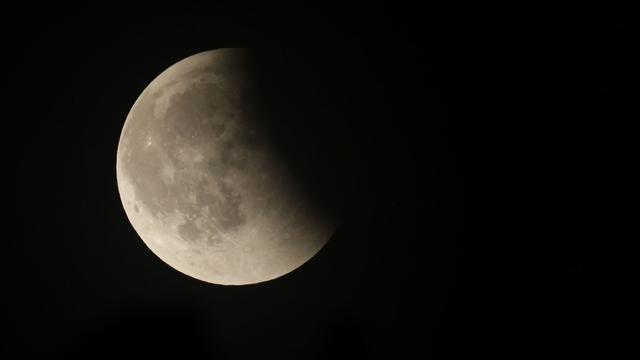
Many people report sleeping poorly during a full moon, a phenomenon sometimes linked to the 'witching hour.' Sleep researcher Jürgen Zulley delves into the science behind these claims, offering explanations and practical advice.
Does the moon have the power to influence people?
Zulley explains that while the idea of the moon directly influencing human sleep is a persistent myth, there are potential indirect factors. He notes that the 'witching hour,' typically between 2 and 4 a.m., is a time when people are more likely to wake up. This period coincides with deeper sleep cycles and can make individuals more susceptible to external stimuli or internal thoughts, leading to perceived disruptions.
He suggests that societal and cultural beliefs about the moon's effect might play a role in how people perceive their sleep. If someone expects to sleep poorly during a full moon, they are more likely to notice and remember any awakenings. Zulley also points to environmental factors that might be more noticeable at night, such as increased light or noise, which can be exacerbated by a full moon.
What is behind the 'witching hour'?
To combat restless nights, Zulley recommends establishing a consistent sleep routine, creating a dark and quiet sleep environment, and avoiding screens before bed. He emphasizes that good sleep hygiene is key to overcoming perceived lunar influences and achieving restful sleep.
Sleep researcher Jürgen Zulley has answers – and says what we can do on restless nights.
About this summary
Originally published by Der Spiegel in German. Translated, summarized, and contextualized automatically by DistantNews, with a note on how the source frames the story. Not individually reviewed before publishing. How this works.
More Stories


From Our Blog

What Gets Lost (and Found) When News Is Translated

How the Same Story Looks Different in Different Countries

The Critical Role of Diaspora Media in Global News

What Travellers Should Know About Countries with Restricted Press

A Digital Nomad's Guide to Following Local News
