


Balochistan Youth Reclaim Library Through Silent Study Protest
Translated from English, summarized and contextualized by DistantNews.
At a glance
Analysis
Sources not specified
Context piece
- Young people in Khuzdar, Balochistan, Pakistan, staged a silent protest by studying in an open-air space after their local library was closed.
- The library, used by students preparing for civil service exams, was shut down by the local bureaucracy, which viewed it as a potential source of dissent.
- The protest led to the intervention of the Balochistan chief minister, resulting in the library's reopening and highlighting the youth's innovative approach to demanding their rights.
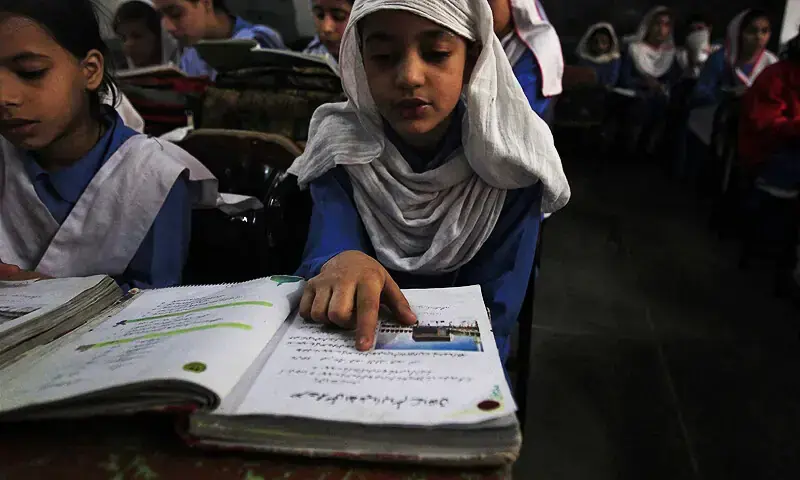
In Khuzdar, Balochistan, a youth-led protest has successfully achieved its demand for the reopening of a local library, showcasing an innovative and peaceful approach to civic engagement in Pakistan. The library, a crucial study space for students preparing for civil service examinations, was closed by the local bureaucracy, a move seen by many as an attempt to suppress potential dissent.
Ruling elites often struggle to grasp the aspirations of the young, and the Khuzdar incident underscores this disconnect. The bureaucracy, with its "narrow vision" and "colonial master" approach, likely perceived the youth's inclination towards books and literature as a security threat. Ironically, the library served as a safe haven for many students, including females, aiming for careers in bureaucracy themselves.
Faced with the closure, the youth of Khuzdar opted for a unique and non-confrontational protest. They organized a sit-in outside the library, transforming the adjacent footpaths and street into an open-air study environment. Crucially, they refrained from raising slogans or engaging with authorities, instead focusing on their studies in silent solidarity.
This peaceful demonstration, occurring in a conflict-ridden province, drew the attention of the Balochistan chief minister, who intervened to ensure the library's doors were reopened. The event serves as a powerful example of how youth can effectively advocate for their needs through organized, peaceful means, even within complex political and tribal landscapes. It highlights a generation that is keenly aware of how systems operate and is finding new ways to assert their right to education and fair opportunities.
DistantNews Editorial
Originally published by Dawn in English. Translated, summarized, and contextualized by our editorial team with added local perspective. Read our editorial standards.
More Stories
From Our Blog

What Gets Lost (and Found) When News Is Translated

The Critical Role of Diaspora Media in Global News

What Travellers Should Know About Countries with Restricted Press

A Digital Nomad's Guide to Following Local News

How the Same Story Looks Different in Different Countries
