


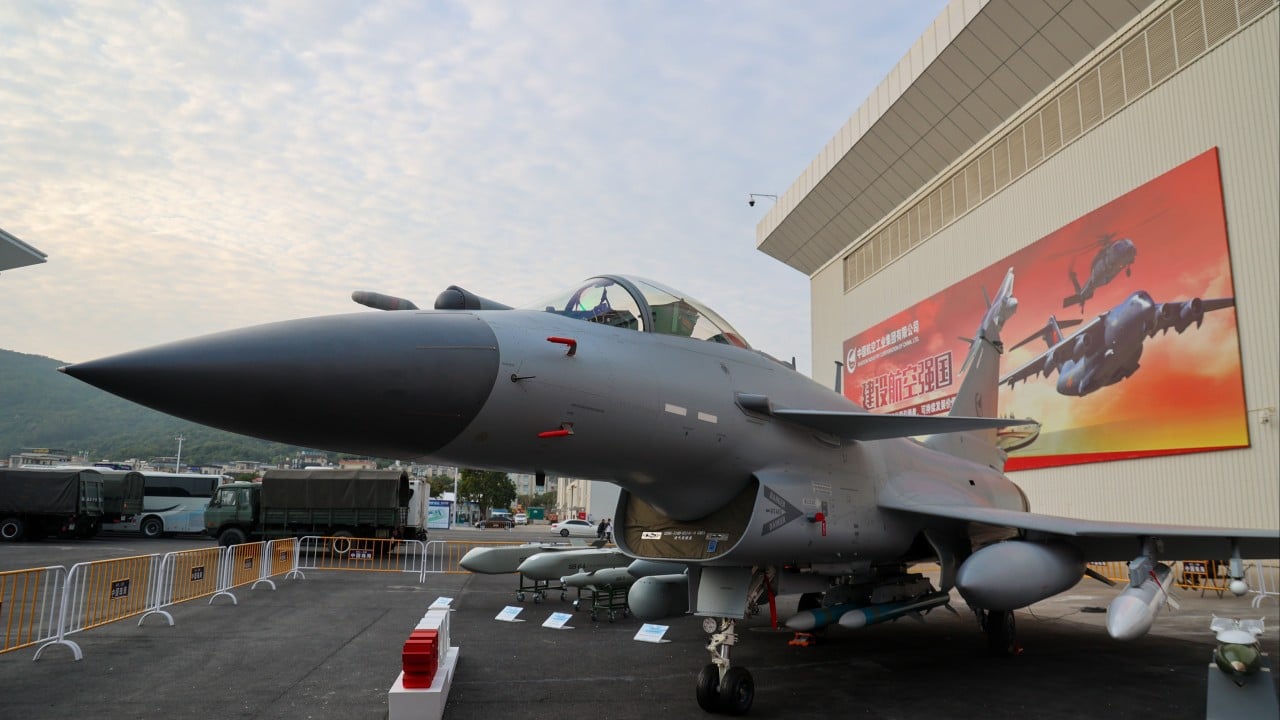
Bangladesh confirms Chinese J-10CE jet deal, citing Rafale kill in India-Pakistan clash
Summarized by DistantNews. Read the original for the full story.
At a glance
News
Official statement
New plan
- Bangladesh has confirmed a deal to purchase Chinese J-10CE fighter jets, with a draft proposal submitted for approval.
- The decision is partly based on the J-10CE's reported performance against Indian Rafale fighters in a past India-Pakistan conflict.
- The procurement, which also includes helicopters and UAV systems, is subject to budgetary allocation and could be executed immediately or rolled over to the next fiscal year.
Bangladesh has officially confirmed its intention to acquire Chinese J-10CE fighter jets, a move that has been anticipated for some time. The government cited the jet's performance in a previous India-Pakistan conflict as a key factor in its decision.
Zahed Ur Rahman, an information and broadcasting adviser to the prime minister, announced that a draft proposal for the purchase has been submitted for final approval by the Ministry of Finance and the Armed Forces Division. The deal also encompasses Chinese attack helicopters, VIP transport helicopters, and unmanned aerial vehicle (UAV) systems. The acquisition is contingent on the current fiscal year's budget, with execution planned immediately if funds are available, or deferred to the next budget cycle.
Subject to necessary budgetary allocation in the current fiscal year, this procurement will be executed immediately; otherwise, it will roll over into the next budget cycle.
This confirmation comes as military experts suggest a potential shift in the global perception of Chinese weaponry. The J-10CE's reported success in shooting down Indian Rafale fighters during the May conflict between Pakistan and India is seen as evidence of its growing capabilities and a sign that the market for Chinese defense products may expand.
The budget year in Bangladesh runs from July to June. The government's commitment to the procurement indicates a strategic interest in bolstering its air force with advanced Chinese military technology, influenced by regional security dynamics and the perceived effectiveness of specific weapon systems.
paid attention
About this summary
Originally published by South China Morning Post. Summarized and contextualized automatically by DistantNews, with a note on how the source frames the story. Not individually reviewed before publishing. How this works.
More Stories
From Our Blog

Countries Without a Free Press: What You Need to Know

What Press Freedom Means for the News You Read

What Gets Lost (and Found) When News Is Translated

The Critical Role of Diaspora Media in Global News

What Travellers Should Know About Countries with Restricted Press
