

Mainland China’s ship activity near Taiwan hits record for third month in a row
Summarized and contextualized by DistantNews.
At a glance
News
Named sources
Context piece
- Mainland Chinese government vessel activity near Taiwan reached record levels for the third consecutive month in August.
- Taiwan's defense ministry reported 118 detections of Chinese coastguard, survey, and other official vessels in the first 24 days of August.
- This increased activity coincides with Tokyo-Manila maritime boundary talks and involves vessels asserting presence in overlapping claim areas.
Mainland Chinese government ship sightings around Taiwan have hit record highs for three months running, as Beijing expands its law enforcement presence east of the island. This surge follows the announcement in late May of maritime boundary talks between Tokyo and Manila concerning the region.
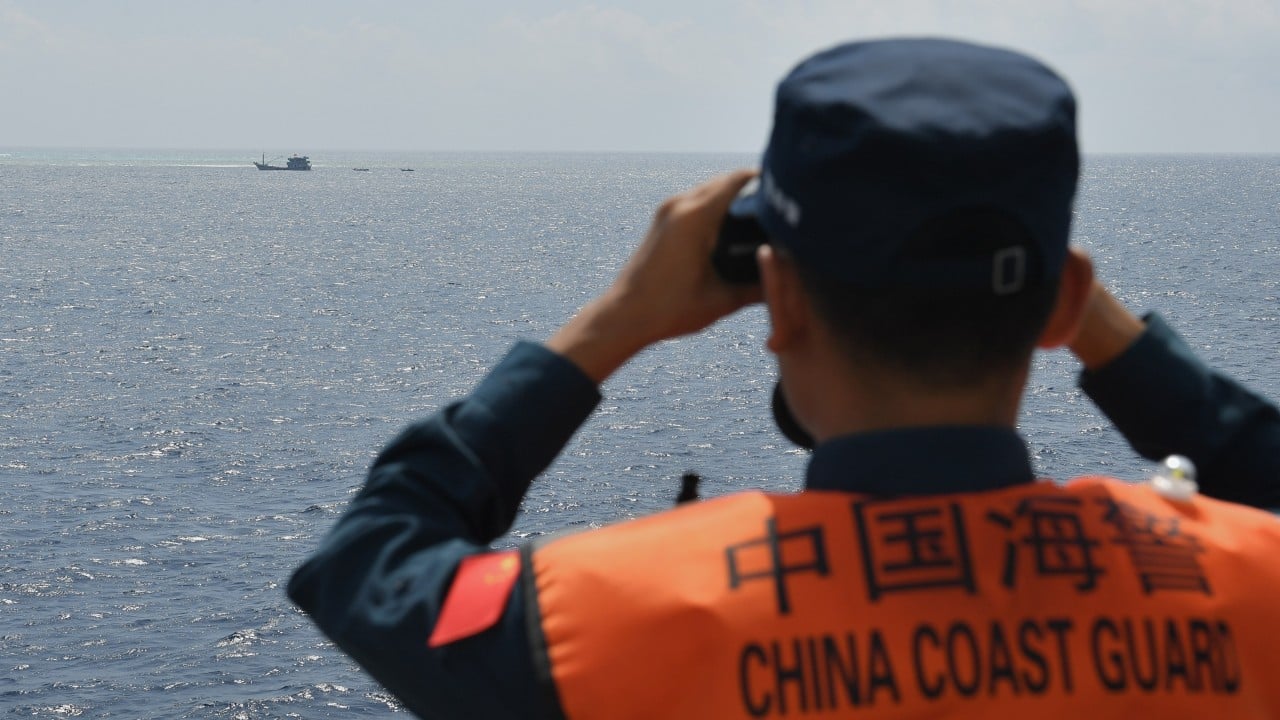
Taiwan's defense ministry reported detecting mainland coastguard, survey, and other official vessels 118 times in the first 24 days of August. This figure surpasses the 117 detections in July and 111 in June, marking the highest monthly counts since Taiwan began releasing such data in July 2024. Previously, the highest monthly count was 50 in April 2025.
An August 19 report by the Asia Maritime Transparency Initiative (AMTI) corroborated these findings, noting a "more sustained and assertive presence" by Chinese law-enforcement and survey vessels in waters east of Taiwan. Using commercial automatic identification system data, AMTI observed that ship activity between June and August was concentrated in areas where Chinese, Japanese, and Philippine maritime claims overlap. Minimal activity was recorded in this specific area from January to late May.
According to AMTI, two China Coast Guard vessels were responsible for much of the activity, with a third patrolling the area since August 4. Within days of the Japan-Philippines announcement, mainland Chinese law-enforcement vessels reportedly hailed 198 commercial ships in the area, demanding information about their destinations and crews.
DistantNews Editorial
Originally published by South China Morning Post. Summarized and contextualized by our editorial team with added local perspective. Read our editorial standards.
More Stories


From Our Blog

Countries Without a Free Press: What You Need to Know

What Press Freedom Means for the News You Read

What Gets Lost (and Found) When News Is Translated

The Critical Role of Diaspora Media in Global News

What Travellers Should Know About Countries with Restricted Press
