

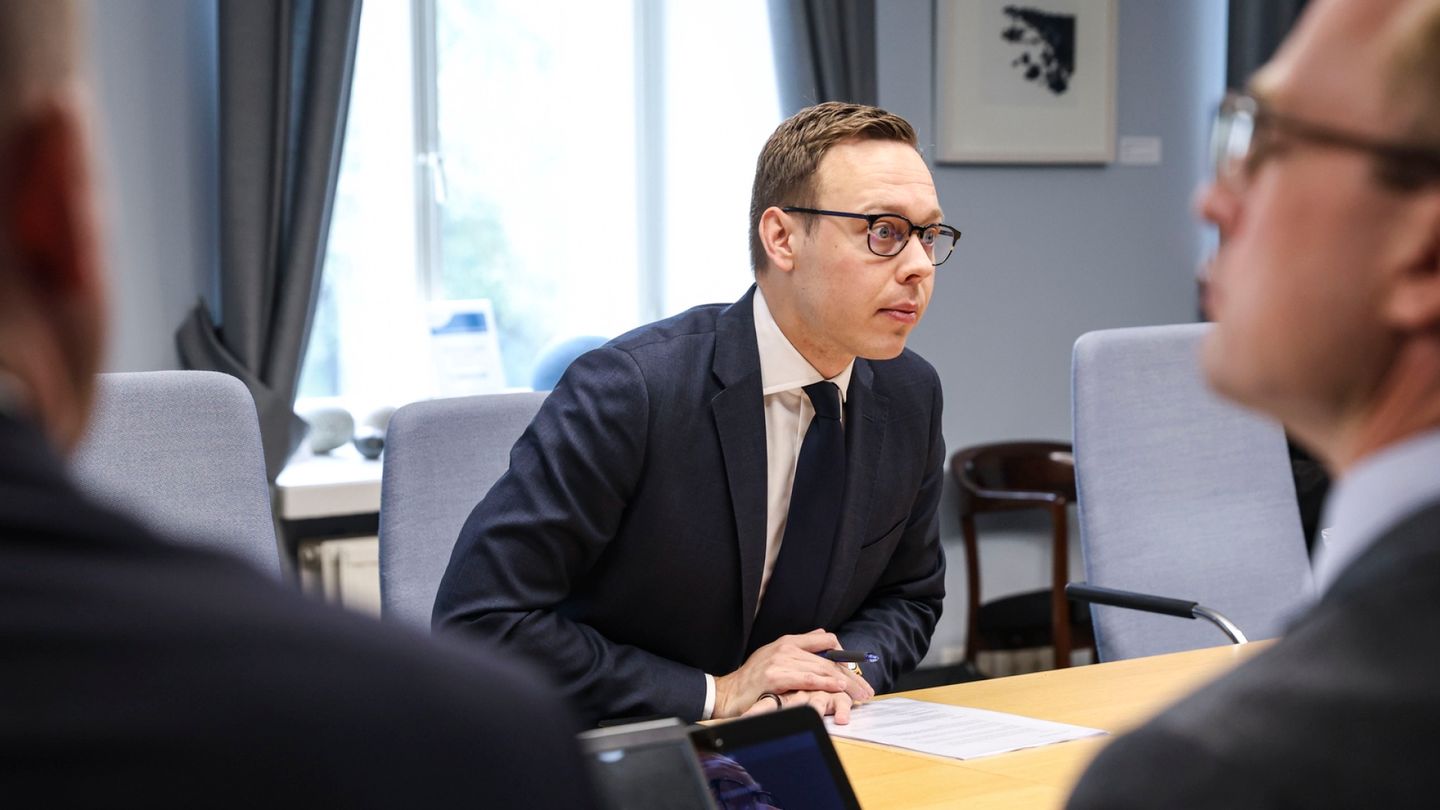

Bank of Finland warns of growing economic risks due to Iran war
Translated from Finnish, summarized and contextualized by DistantNews.
At a glance
News
Sources not specified
Context piece
- The Bank of Finland warns of growing economic risks due to the war in Iran, which is disrupting supply chains and increasing energy costs.
- The central bank forecasts economic growth of 0.7% this year and 1.2% next year, but notes that recovery is uncertain due to the conflict's impact.
- Key challenges for the Finnish economy include high unemployment and a frozen housing market, with unemployment expected to average 10.4% this year.
The Bank of Finland has issued a stark warning about the escalating economic risks facing the nation, primarily driven by the ongoing war in Iran. In its latest economic forecast, the central bank highlighted the conflict's disruptive impact on global supply chains and energy markets, which is hindering economic growth.
If the war had not started, Finland's economic growth would be clearly faster in the coming years.
"If the war had not started, Finland's economic growth would be clearly faster in the coming years," stated Juuso Vanhala, the Bank of Finland's forecast manager. The central bank projects the economy to grow by 0.7% this year and 1.2% next year. However, Vanhala cautioned that the economic recovery remains uncertain, as the war is damaging growth both domestically and internationally.
The economic recovery is uncertain, as the war is damaging growth both in Finland and abroad.
While the forecast for the current year has been slightly improved by 0.1 percentage points, the outlook for next year has been downgraded by 0.2 percentage points. Growth is expected to be spurred primarily by increased exports and business investments, particularly in data centers, the green transition, and the defense industry. Private consumption has also begun to rise, supported by wage increases and improved employment, though household confidence remains weak. Inflation is predicted to accelerate to 2.4% this year, driven by energy supply disruptions from the Iran conflict, before slowing to 1.6% next year.
Economic growth is primarily driven by the growth of exports and business investments. In addition, private consumption has finally begun to grow, but the acceleration of inflation will likely slow down consumption growth.
Despite signs of recovery, with GDP growing 0.3% in the last quarter of last year and 0.9% in the first quarter of this year, the war's global repercussions are inevitably affecting Finland. The European Central Bank also recently lowered its economic growth forecast for the eurozone. Vanhala pointed out that persistent long-term problems, including high unemployment and a stagnant housing market, continue to plague the Finnish economy. The unemployment rate is forecast to average 10.4% this year before decreasing to 9.9% next year. The duration of the war in Iran remains a critical factor influencing the economic outlook.
Finland's key economic problems remain high unemployment and the freezing of residential construction and the housing market.
DistantNews Editorial
Originally published by Helsingin Sanomat in Finnish. Translated, summarized, and contextualized by our editorial team with added local perspective. Read our editorial standards.
More Stories


From Our Blog

What Gets Lost (and Found) When News Is Translated

The Critical Role of Diaspora Media in Global News

What Travellers Should Know About Countries with Restricted Press

A Digital Nomad's Guide to Following Local News

How the Same Story Looks Different in Different Countries
