


Banned Ingredients Found in Popular Overseas Sleep Supplements in South Korea
Translated from Korean, summarized and contextualized by DistantNews.
At a glance
News
Sources not specified
Outcome reported
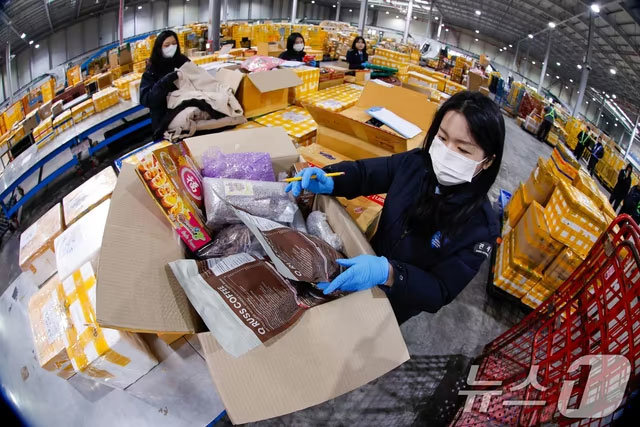
- South Korea's Ministry of Food and Drug Safety detected pharmaceutical ingredients like melatonin and lithium in 19 out of 30 popular overseas 직구 (direct purchase) health supplements.
- Products marketed for sleep and mood improvement contained banned substances, leading to customs holds and online sales bans.
- The ministry urges consumers to check the 'Overseas Direct Purchase Food All Right' website for potentially harmful products before buying.
South Korea's Ministry of Food and Drug Safety has blocked the import and sale of 19 popular overseas direct purchase health supplements after finding banned pharmaceutical ingredients. The products, marketed for sleep and mood improvement, contained substances such as melatonin, 5-HTP, lithium, and L-dopa.
Melatonin, a hormone regulating sleep, is classified as a prescription drug in South Korea. The ministry warned that high doses can lead to dependency, headaches, dizziness, and depression. Other detected ingredients like 5-HTP can cause vomiting and behavioral issues, while Bacopa may lead to gastrointestinal problems and lethargy.
There is a risk of health damage due to harmful ingredients even with overseas direct purchase foods purchased for personal consumption.
The crackdown followed a rise in consumer demand for supplements to combat insomnia and mood disorders. The ministry has requested customs to halt imports and the Korea Communications Standards Commission to block online sales of the identified products. Information on these 19 products, along with 4,693 previously flagged items, is now available on the 'Overseas Direct Purchase Food All Right' platform to help consumers make informed choices.
Consumers should check if the product contains ingredients banned in Korea before purchasing, and refrain from buying products registered as harmful foods.
DistantNews Editorial
Originally published by Dong-A Ilbo in Korean. Translated, summarized, and contextualized by our editorial team with added local perspective. Read our editorial standards.
More Stories

From Our Blog

What Gets Lost (and Found) When News Is Translated

The Critical Role of Diaspora Media in Global News

What Travellers Should Know About Countries with Restricted Press

A Digital Nomad's Guide to Following Local News

How the Same Story Looks Different in Different Countries
