

Barranquilla opens first 'Living Memory Points' to preserve Carnival history in homes
Translated from Spanish, summarized and contextualized by DistantNews.
At a glance
In-depth
Sources not specified
New plan
- Barranquilla, Colombia, has launched its first "Living Memory Points" in popular neighborhoods.
- These points are family homes preserving the history of three key Carnival traditions: El Torito Ribereño, El Descabezado, and Las Negritas Puloy.
- The initiative recognizes these homes as vital spaces for conserving and transmitting Barranquilla's cultural heritage year-round.
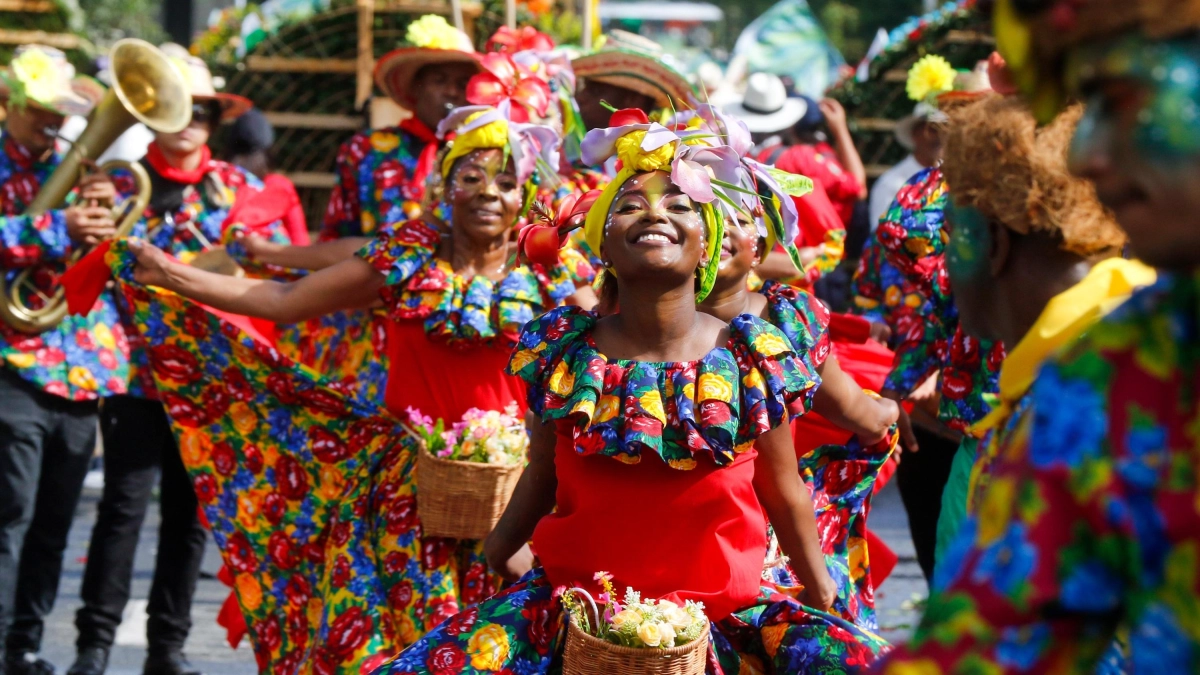
In Barranquilla, Colombia, the vibrant spirit of Carnival is now being preserved year-round through the opening of the city's first "Living Memory Points." These unique spaces are located in the homes of Carnival participants, transforming ordinary residences into archives of family history and cultural traditions.
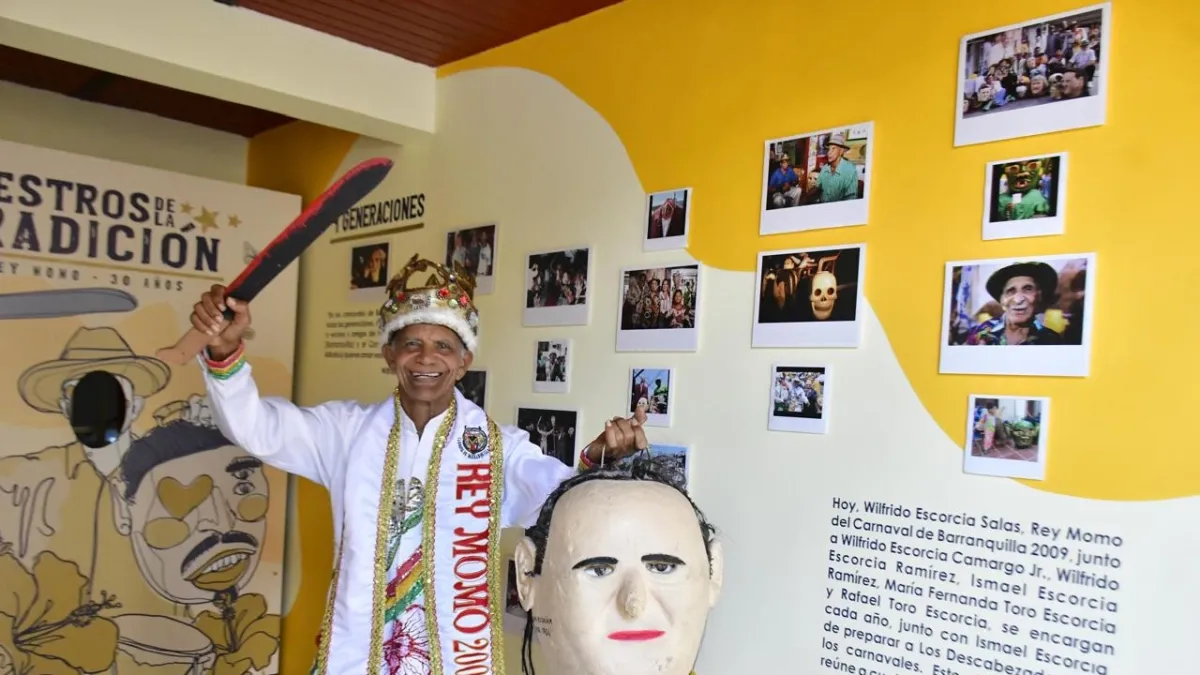
The initiative focuses on three iconic Carnival expressions: El Torito Ribereño, associated with the Fontalvo family in San Roque; El Descabezado, preserved by the Escorcia family in El Santuario; and Las Negritas Puloy, linked to Isabel Muñoz and her family in Montecristo. These homes have organically become repositories of photographs, objects, costumes, and stories, documenting generations of involvement in the festivities.
Researcher Diana Acosta, who has championed this idea, aims to broaden the understanding of Carnival's territory and duration. She argues that the festival's reach extends far beyond the parade routes, and its influence is felt 365 days a year, not just during the official four days. The "Living Memory Points" embody this philosophy, highlighting the continuous life and transmission of Carnival heritage within families and communities.
Ismael Escorcia Medina, 91, the creator of the El Descabezado costume 67 years ago, represents the deep-rooted history these points aim to safeguard. By focusing on the families and creators behind Barranquilla's Carnival, the project seeks to officially recognize these homes as crucial sites for the conservation and ongoing transmission of the city's rich cultural patrimony.
DistantNews Editorial
Originally published by El Tiempo in Spanish. Translated, summarized, and contextualized by our editorial team with added local perspective. Read our editorial standards.
More Stories
From Our Blog

What Gets Lost (and Found) When News Is Translated

The Critical Role of Diaspora Media in Global News

What Travellers Should Know About Countries with Restricted Press

A Digital Nomad's Guide to Following Local News

How the Same Story Looks Different in Different Countries
