


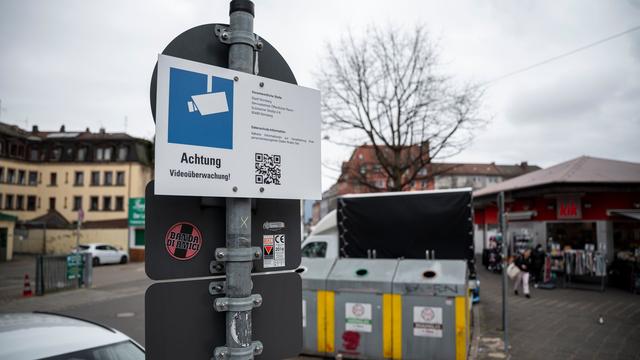
Bavaria's Plan to Ease Video Surveillance Rules Sparks Opposition Criticism Over Rights Concerns
Translated from German, summarized and contextualized by DistantNews.
At a glance
News
Named sources
New plan
- Bavaria's state government plans to ease regulations for video surveillance, drawing criticism from opposition parties.
- Critics argue the changes could infringe on citizens' fundamental rights and go beyond mere deregulation.
- The proposed law also aims to facilitate the use of artificial intelligence in public administration.
Bavaria's state government is facing significant criticism from opposition parties over its plans to relax regulations governing video surveillance. The proposed changes, championed by the CSU-led government, are seen by critics as a potential overreach that could compromise citizens' fundamental rights.
Anyone who surveils people in public spaces must be able to provide a comprehensible reason why this is necessary. The CSU is going beyond mere deregulation here.
Landtag member Benjamin Adjei of the Green Party voiced strong objections, stating on "Antenne Bayern" that "Anyone who surveils people in public spaces must be able to provide a comprehensible reason why this is necessary. The CSU is going beyond mere deregulation here." Echoing these concerns, SPD legal expert Horst Arnold emphasized that "Deregulation must not lead to the erosion of fundamental rights. Video surveillance is a serious encroachment on the civil liberties of citizens."
The FDP, though not represented in the state parliament, also expressed criticism. The core of the government's proposal, according to Interior Minister Joachim Herrmann (CSU), is to remove the requirement for municipalities to extensively document problems at specific locations before implementing video surveillance. Instead, it may soon suffice if other individuals avoid a particular place.
Deregulation must not lead to the erosion of fundamental rights. Video surveillance is a serious encroachment on the civil liberties of citizens.
Furthermore, the draft law seeks to simplify the deployment of artificial intelligence (AI) in public administration. The Interior Ministry stated that the legislation aims to establish a legal basis for processing personal data for AI development. "A modern and effective administration must be able to use artificial intelligence safely, in compliance with data protection, and purposefully," Herrmann asserted. The bill, passed by the cabinet in July, is currently undergoing consultations and is expected to be debated in the state parliament later this year.
A modern and effective administration must be able to use artificial intelligence safely, in compliance with data protection, and purposefully.
DistantNews Editorial
Originally published by Die Zeit in German. Translated, summarized, and contextualized by our editorial team with added local perspective. Read our editorial standards.
More Stories



From Our Blog

What Gets Lost (and Found) When News Is Translated

How the Same Story Looks Different in Different Countries

The Critical Role of Diaspora Media in Global News

What Travellers Should Know About Countries with Restricted Press

A Digital Nomad's Guide to Following Local News
