

Bavaria Suspends Truck Driving Ban Amid Low Water Levels
Translated from German, summarized and contextualized by DistantNews.
At a glance
News
Named sources
Ongoing story
- Bavaria will temporarily suspend the Sunday and public holiday driving ban for trucks due to low water levels on key waterways.
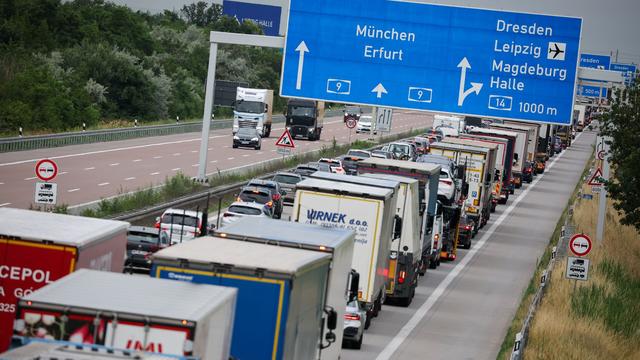
- The measure aims to redirect critical goods like raw materials, chemicals, and energy carriers to road transport.
- This decision follows similar suspensions in other German states to stabilize supply chains and prevent industrial production stoppages.
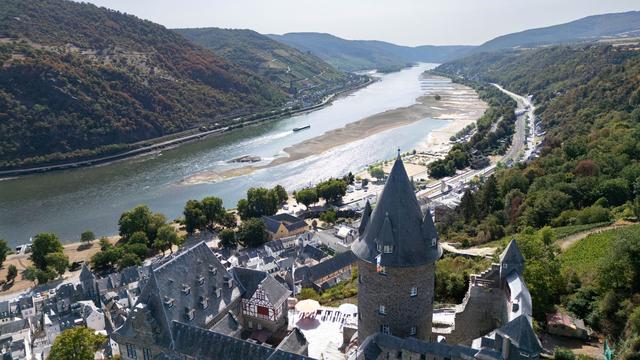
Bavaria is set to temporarily suspend the driving ban for trucks on Sundays and public holidays, beginning next weekend. This measure is a direct response to critically low water levels on the state's important waterways, which have severely impacted inland shipping and freight transport.
The decision, announced by Interior Minister Joachim Herrmann (CSU), aims to mitigate the economic consequences of the drought. "By lifting the driving ban, critical goods such as raw materials, chemicals, and energy carriers can be redirected to road transport," Herrmann explained. He added that the measure is intended to help stabilize supply chains and, crucially, prevent production stoppages in the industry.
Bavaria's Transport Minister Christian Bernreiter (CSU) described the relaxation as a vital component in cushioning the effects of the historic low water levels on federal waterways. "Production must continue; the economy and agriculture depend on functioning transport," Bernreiter stated. While specific regulations are still being finalized, the move signals a concerted effort to maintain economic activity despite the severe challenges posed by the drought.
This suspension follows similar temporary lifts of the driving ban in several other German states, including North Rhine-Westphalia, Lower Saxony, Rhineland-Palatinate, Saarland, and Baden-Württemberg. The widespread adoption of this measure highlights the significant strain placed on Germany's logistics and industrial sectors by the ongoing low water crisis, emphasizing the need for flexible transport solutions to keep the economy moving.
DistantNews Editorial
Originally published by Die Zeit in German. Translated, summarized, and contextualized by our editorial team with added local perspective. Read our editorial standards.
More Stories


From Our Blog

What Gets Lost (and Found) When News Is Translated

How the Same Story Looks Different in Different Countries

The Critical Role of Diaspora Media in Global News

What Travellers Should Know About Countries with Restricted Press

A Digital Nomad's Guide to Following Local News
