


Bavarian harvest yields good quality grain despite significant drought losses
Translated from German, summarized and contextualized by DistantNews.
At a glance
News
From a news agency
Context piece
- Bavarian farmers face significant yield losses, estimated at 10-20%, for bread grains like rye and wheat due to a dry spring and summer heatwave.
- Despite the reduced harvest quantity, the quality of the bread grain is generally good, better than the previous year, and sufficient for regional mills.
- Livestock farmers are concerned about winter feed supplies as drought has severely impacted grasslands and corn crops, forcing some to consider selling animals.
Bavarian farmers are grappling with substantial yield losses for essential bread grains, primarily rye and wheat, following a dry spring and a severe heatwave in late June. The Bavarian State Institute for Agriculture had previously flagged the challenges posed by the drought, which has persisted through July with significant consequences.
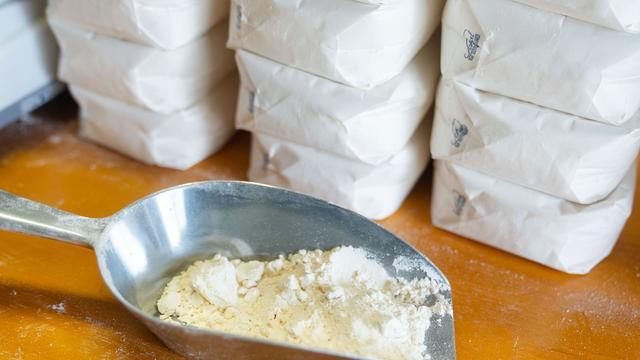
Josef Rampl, managing director of the Bavarian Müllerbund (Millers' Association), estimates yield losses for bread grains to be between 10% and 20%. However, he noted that the quality of the grain is generally good, even better than last year, and the quantity remains sufficient to meet the needs of Bavaria's 100 milling operations. "Every third wheat grain grown in Bavaria is milled here," Rampl stated, emphasizing the regional focus of the milling business.
Meanwhile, livestock farmers across Bavaria are expressing deep concern about the upcoming winter. The persistent heat and drought have devastated pastures, leaving many fields brown and barren. Corn crops, a vital source for silage (animal feed), are also significantly stunted in many areas. "The heat and drought have caused massive damage to grassland: numerous meadows and pastures are brown and scorched, with grass not growing for weeks in some places," reported the Bavarian Farmers' Association.
This critical shortage of fodder is forcing some farmers to begin supplementary feeding and even consider reducing their livestock herds. Schafhalter (sheep farmers) are particularly affected, lacking reserves for winter feed. Martin Bartl, managing director of the State Association of Bavarian Sheep Farmers, noted that many are contemplating selling or slaughtering animals due to the rising costs of all types of feed. The situation is exacerbated by neighboring countries like Austria, Italy, and Switzerland also experiencing drought and importing hay from Germany, further straining domestic supplies.
DistantNews Editorial
Originally published by Die Zeit in German. Translated, summarized, and contextualized by our editorial team with added local perspective. Read our editorial standards.
More Stories



From Our Blog

What Gets Lost (and Found) When News Is Translated

How the Same Story Looks Different in Different Countries

The Critical Role of Diaspora Media in Global News

What Travellers Should Know About Countries with Restricted Press

A Digital Nomad's Guide to Following Local News
