


Bengkulu Lawmaker Questioned by KPK Over Alleged Project Bribery
Translated from Indonesian and summarized by DistantNews. Read the original for the full story.
At a glance
Newswire
From a news agency
Under investigation
- KPK questioned Bambang Hermanto, chair of Bengkulu City DPRD Commission I, as a witness in an alleged procurement bribery case.
- The investigation follows charges against Rejang Lebong Regent Muhammad Fikri Thobari and four other suspects.
- KPK searches in Bengkulu City reportedly uncovered about 4 billion rupiah in cash and led to the seizure of an assembly member's assets.
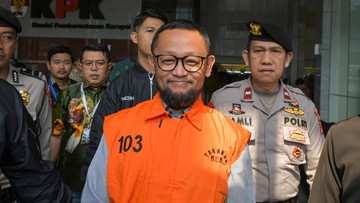
Bengkulu City lawmaker Bambang Hermanto appeared before Indonesia's Corruption Eradication Commission, known as KPK, as investigators expanded an alleged project procurement bribery case.
Hermanto, chair of Commission I of the Bengkulu City Regional House of Representatives, arrived at KPK's Red and White Building in Jakarta at 8:03 a.m. on Friday to answer investigators' summons.
His questioning forms part of a case that previously ensnared Rejang Lebong Regent Muhammad Fikri Thobari and four other suspects. KPK has since widened the investigation to alleged corruption in Bengkulu City, although it had not announced any new suspects in that expansion by the time Hermanto was questioned.
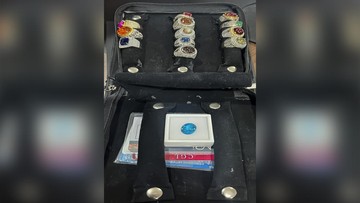
As part of the inquiry, investigators searched several locations in Bengkulu City and seized about 4 billion rupiah in cash from the home of Noprisman, head of the city's Public Works and Spatial Planning Agency. They also seized assets belonging to Bengkulu City assembly member Vinna Ledy Anggraheni.
Hermanto was questioned as a witness. The investigation remains focused on alleged bribery involving procurement projects in Rejang Lebong and other parts of Bengkulu province.
About this summary
Originally published by Republika in Indonesian. Translated, summarized, and contextualized automatically by DistantNews, with a note on how the source frames the story. Not individually reviewed before publishing. How this works.
More Stories

From Our Blog

News in Translation: What Gets Lost, and How We Keep the Framing

Diaspora Media: How Communities Abroad Follow Home

Traveling Where the Press Is Not Free: How to Read the News There

The Digital Nomad's Guide to Local News

The Same Story, Different Countries: How Coverage Changes at the Border
