

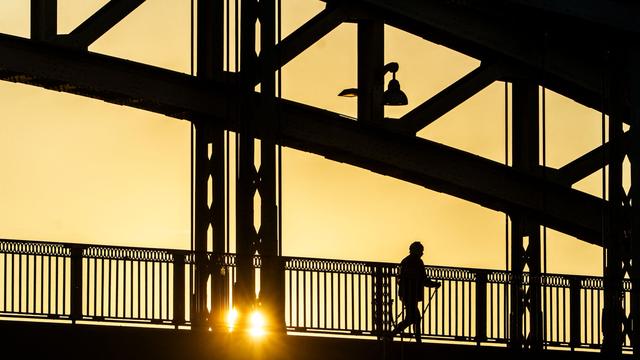
Berlin election: Voters face uninspiring choices amid perceived political stagnation
Translated from German, summarized and contextualized by DistantNews.
At a glance
Analysis
Sources not specified
Context piece
- Berliners face a difficult choice in the upcoming election for the House of Representatives on September 20.
- The author notes a lack of creativity in the political landscape, with only two parties standing out for their campaign posters.
- The election presents voters with options like 'the lesser evil' or 'the most creative poster' due to perceived uninspiring candidate choices.
As Berlin prepares for its House of Representatives election on September 20, voters are grappling with a perceived lack of inspiring choices. The political scene is described as stagnant, with an enduring "Wilmersdorf widowhood" mentality from the 1980s that the author feels has yet to be shaken off by the parties.
Berlin has reinvented itself three times since the fall of the Wall, yet the parties there cannot shake off the Wilmersdorf widowhood of the eighties.
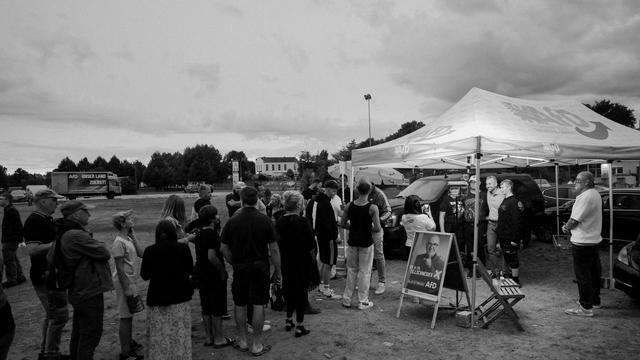
Amidst this backdrop, the act of choosing a representative becomes a challenging task for the "sovereign citizen." While the sentiment "anything but the AfD" is acknowledged as a necessary starting point, it is deemed insufficient for making a final decision. This leaves voters to consider less conventional criteria for casting their ballot.
Given this deplorable state, the sovereign citizen is always confronted with the almost unanswerable question of whom to give their votes.
Options presented include selecting "the lesser evil," a common strategy when faced with unappealing candidates. Another approach mentioned is choosing "the most un-Berliner-like top candidate," suggesting a disconnect between the political figures and the city's identity. Furthermore, the creativity of campaign posters is highlighted as a distinguishing factor, with only two parties apparently managing to stand out in this regard.
While 'anything but the AfD' is a necessary, it is not yet a sufficient decision.
The article frames the election as a test of voter engagement in a city that has reinvented itself multiple times since the fall of the Berlin Wall. The author questions who Berliners should vote for, implying a need for a more compelling political offering that resonates with the city's dynamic spirit.
At least in terms of campaign posters, two parties are ahead in creativity.
DistantNews Editorial
Originally published by Die Zeit in German. Translated, summarized, and contextualized by our editorial team with added local perspective. Read our editorial standards.
More Stories

From Our Blog

What Gets Lost (and Found) When News Is Translated

How the Same Story Looks Different in Different Countries

The Critical Role of Diaspora Media in Global News

What Travellers Should Know About Countries with Restricted Press

A Digital Nomad's Guide to Following Local News
