

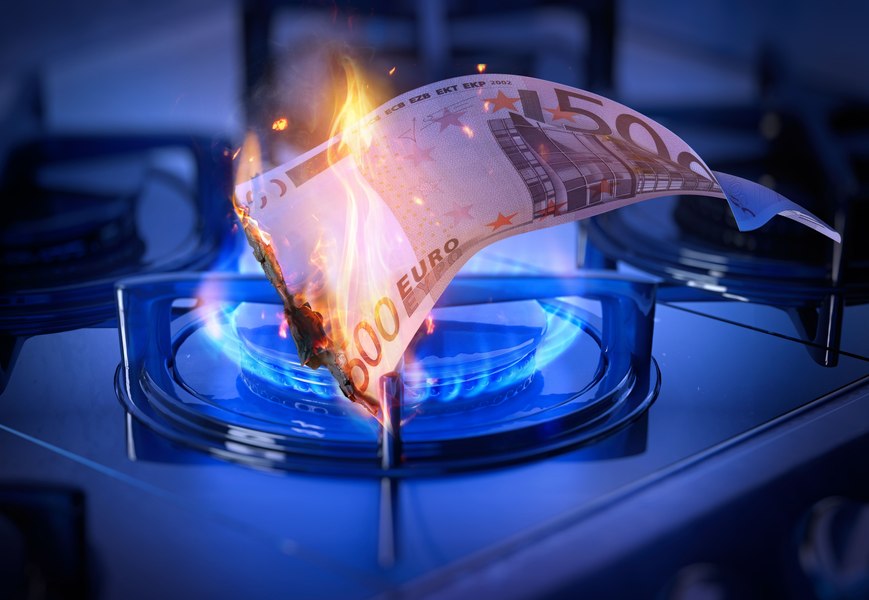
Berlin's Gas Gamble Risks Freezing Europe This Winter as Reserves Hit Historic Lows
Translated from Romanian, summarized and contextualized by DistantNews.
At a glance
News
Sources not specified
Context piece
- Europe faces a dangerous winter energy crisis as natural gas reserves hit historic lows.
- Germany's reliance on market-based solutions for gas procurement is criticized as insufficient amid global supply disruptions.
- Low reserves and high prices threaten to destabilize the EU's energy market, with Germany seen as the bloc's biggest vulnerability.
Europe's winter energy security is under threat as natural gas reserves plummet to historic lows, raising concerns of widespread shortages if cold weather drives up demand and the conflict in Iran continues. Germany, the European Union's largest economy, is identified as the bloc's most significant vulnerability. Any gas deficit in Germany could ripple through neighboring countries, driving up prices across the EU.
Calls are mounting for Berlin to intervene directly, compelling state-controlled energy firms to purchase gas regardless of cost. This would mark a departure from years of free-market energy policies. However, the German government has so far resisted, maintaining its market-oriented approach despite falling behind EU reserve targets and facing potential physical supply shortages as early as November.
Germany is betting on market forces to resolve the issue, even as the war in Iran and high temperatures disrupt traditional market mechanisms and global supply chains. "Stock levels are not only exceptionally low for this time of year, but historically low," stated Sebastian Heinermann, director general of INES, Germany's main gas storage operators' association. He warned that Germany's continued reliance on a market-driven strategy for replenishing reserves is outdated, as market incentives are now scarce.
EU countries are mandated to reach 90% of their national storage capacity before winter to prevent severe supply deficits. Following the conflict in Iran, this target was lowered to 80% to curb panic buying. Typically, traders and utilities are responsible for refilling reserves during summer for winter sales. However, this year's higher prices, influenced by the Iran conflict and climate change, have disrupted this dynamic. EU gas reserves are currently at about 58% capacity, 16 percentage points below the five-year historical average and at their lowest since 2011. These low reserves have already contributed to gas price volatility amid renewed tensions around the Strait of Hormuz.
Stock levels are not only exceptionally low for this time of year, but historically low.
DistantNews Editorial
Originally published by Adevărul in Romanian. Translated, summarized, and contextualized by our editorial team with added local perspective. Read our editorial standards.
More Stories


From Our Blog

What Gets Lost (and Found) When News Is Translated

The Critical Role of Diaspora Media in Global News

What Travellers Should Know About Countries with Restricted Press

A Digital Nomad's Guide to Following Local News

How the Same Story Looks Different in Different Countries
