

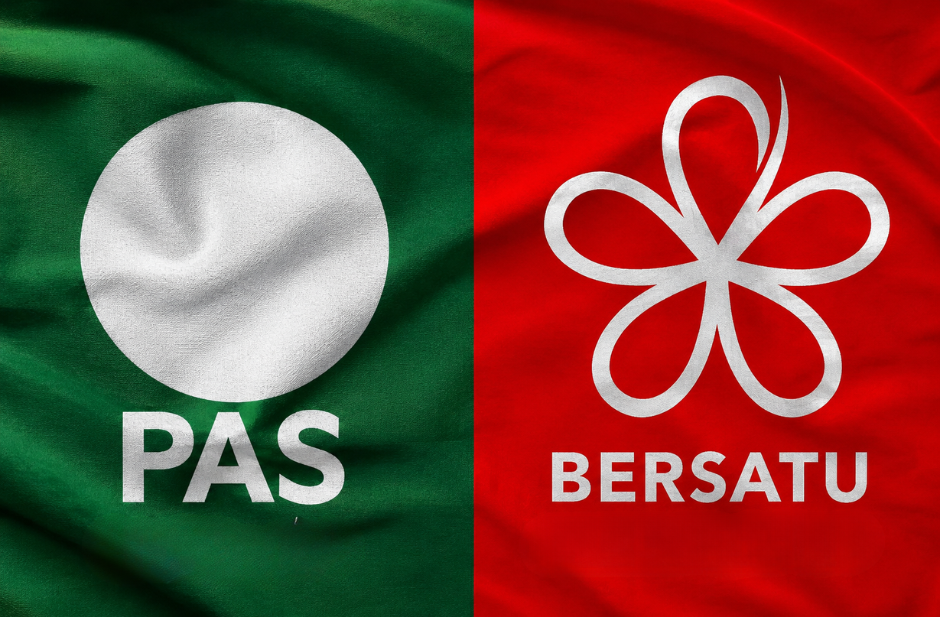

Bersatu's split from PAS: Will it repeat history or fracture Malay vote?
Translated from Malay, summarized and contextualized by DistantNews.
At a glance
News
Sources not specified
Ongoing story
- The end of the alliance between Bersatu and PAS could reshape Malay political dynamics in Malaysia.
- Their previous coalition, Perikatan Nasional (PN), successfully united Malay-Muslim voters, challenging the unity government.
- The political shift raises questions about Bersatu's future role and its potential impact on Malay voter fragmentation.
The recent dissolution of the political partnership between Parti Pribumi Bersatu Malaysia (Bersatu) and PAS marks a significant turning point, potentially altering the landscape of Malay politics in Malaysia. This separation concludes a notable alliance that had a considerable impact on the nation's political scene.
For several years, the Perikatan Nasional (PN) coalition, featuring Bersatu and PAS, emerged as a powerful force. Its logo and brand became a symbol of unity for Malay-Muslim voters, driving a phenomenon known as the 'green wave.' This surge propelled PN into becoming a primary challenger to the current unity government.
The breakdown of this alliance now prompts critical questions about Bersatu's future trajectory. Observers are debating whether the party will manage to replicate the historical success of the Semangat 46 movement or if it risks becoming a spoiler, dividing the Malay vote and inadvertently benefiting opposing coalitions. The coming political realignments will be closely watched.
DistantNews Editorial
Originally published by Utusan Malaysia in Malay. Translated, summarized, and contextualized by our editorial team with added local perspective. Read our editorial standards.
More Stories

From Our Blog

What Gets Lost (and Found) When News Is Translated

The Critical Role of Diaspora Media in Global News

What Travellers Should Know About Countries with Restricted Press

A Digital Nomad's Guide to Following Local News

How the Same Story Looks Different in Different Countries
