


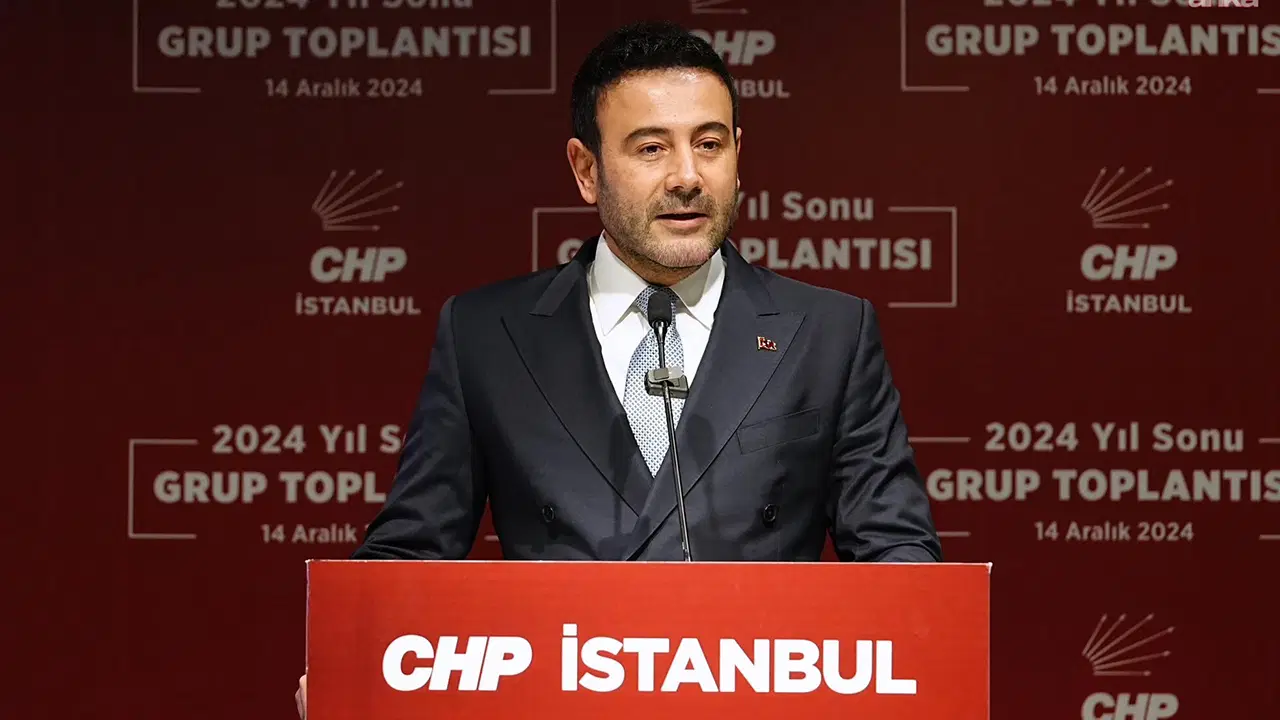
Beşiktaş Mayor Akpolat Defends Himself in Bribery Case: 'If You Had Asked, I Would Have Told You Who Was Saying It'
Translated from Turkish, summarized and contextualized by DistantNews.
At a glance
News
Sources not specified
In the courts
- Beşiktaş Mayor Rıza Akpolat defended himself in court against accusations of organizing tenders through bribery within an alleged criminal organization.
- Akpolat stated he remained silent despite leaks and unfair treatment, believing in the justice system and wanting to protect the reputation of institutions he would lead.
- He refuted claims of being an informant or attempting to shift blame, presenting his court appearances and timeline to counter the prosecution's narrative.
Beşiktaş Mayor Rıza Akpolat has presented a strong defense in court, refuting allegations of his involvement in a bribery scheme to organize tenders. The case, which involves 200 individuals including seven detained mayors, is being heard by the Istanbul 1st High Criminal Court.
Akpolat detailed his experience throughout the legal process, emphasizing his adherence to state etiquette and his decision to remain silent despite the leaking of confidential documents and what he described as unfair practices against him, his colleagues, and family. He explained his silence stemmed from a belief in the Turkish justice system and a desire to avoid discrediting future institutions he might lead.
We acted with state etiquette until the indictment was prepared and brought before you.
He specifically addressed and debunked claims that he had acted as an informant or attempted to incriminate others. Akpolat presented a timeline of his movements and court appearances, countering accusations that he had made multiple statements to prosecutors or tried to shift blame onto associates like Ali Rıza Yılmaz. He characterized these claims as fabricated narratives designed to persuade and deceive.
They had to convince with lies. Because they betrayed.
"We acted with state etiquette until the indictment was prepared and brought before you," Akpolat stated, highlighting his restraint. He further elaborated on the alleged lies, saying, "They had to convince with lies. Because they betrayed." Akpolat asserted that the prosecution was forced to create false narratives when their initial claims, such as him being an informant, proved untrue.
Akpolat concluded by questioning the logic behind the accusations, particularly the idea that he would try to shift blame onto individuals he has known and worked with for years. He presented his defense as a matter of logic and truth against manufactured falsehoods.
If you had asked, I would have told you who was saying it.
DistantNews Editorial
Originally published by Cumhuriyet in Turkish. Translated, summarized, and contextualized by our editorial team with added local perspective. Read our editorial standards.
More Stories


From Our Blog

What Gets Lost (and Found) When News Is Translated

The Critical Role of Diaspora Media in Global News

What Travellers Should Know About Countries with Restricted Press

A Digital Nomad's Guide to Following Local News

How the Same Story Looks Different in Different Countries
