


Beyond hydration: ECM-based skin boosters target skin's support system
Translated from English, summarized and contextualized by DistantNews.
At a glance
In-depth
Named sources
Context piece
- Hydration is a key focus for skincare, but the extracellular matrix (ECM) plays a crucial role in skin health and youthfulness.
- As people age, the ECM deteriorates due to factors like UV radiation and pollution, leading to thinner, less resilient skin.
- Newer skin boosters target the ECM directly, using biomaterials to support skin cells and promote tissue repair.
While hydration has long been the cornerstone of skincare, experts now emphasize the critical role of the extracellular matrix (ECM) in maintaining healthy, youthful-looking skin. The ECM, a gel-like network of collagen, elastin, and other biomolecules, acts as the skin's natural support system, providing structure and facilitating cell communication.
The ECM can be thought of as the skin’s natural support system.
Dr. Lam Bee Lan, medical director of Ageless Medical, explains that in younger skin, the ECM is dense, organized, and constantly renewed. However, aging, combined with cumulative exposure to environmental stressors like UV radiation, pollution, and smoking, leads to the fragmentation and reduction of collagen, disorganization of elastic fibers, and impaired cellular communication. This deterioration results in thinner, drier, less resilient skin prone to wrinkles and slower recovery from injury.
In younger skin, the ECM is dense, organised and continuously renewed.
Originally utilized in reconstructive surgery and wound management as biological scaffolds, ECM-based biomaterials are now being applied in aesthetic treatments. This shift is based on the understanding that skin cells do not function in isolation but are in constant interaction with their surrounding matrix. The ECM's properties significantly influence how cells attach, migrate, communicate, and participate in tissue repair.
With ageing, and through cumulative exposure to ultraviolet radiation, pollution, smoking and other stresses, collagen becomes fragmented and reduced, elastic fibres become disorganised, and the skin’s water-binding and repair mechanisms become less efficient. The communication between skin cells and their surrounding matrix is also impaired.
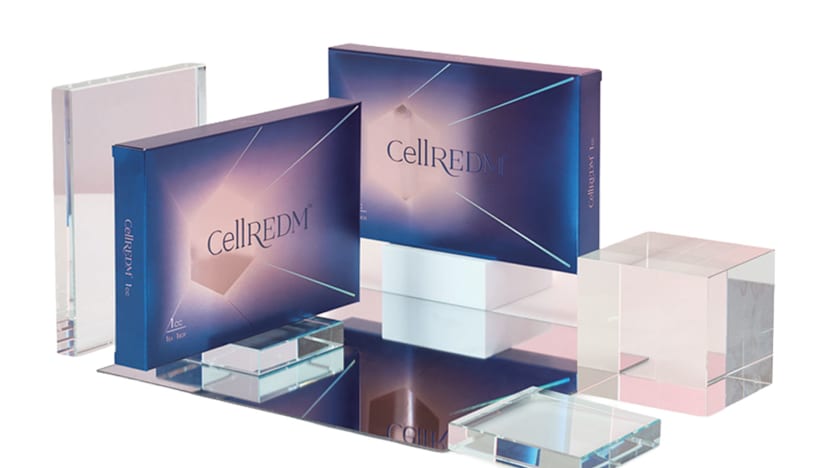
A new generation of skin boosters, such as South Korea's CellREDM, directly targets the ECM by delivering essential components like collagen, elastin, glycosaminoglycans (GAGs), and laminin into the dermis. These boosters employ human acellular dermal matrix technology, where donated dermal tissue is processed to remove cells while preserving the vital biomolecules. This formulation aims to support the skin's structural environment and enhance its natural regenerative processes, offering a more comprehensive approach to skin rejuvenation beyond simple hydration.
The ECM’s structure, composition and mechanical properties can influence how cells attach, migrate, communicate and participate in tissue repair.
DistantNews Editorial
Originally published by CNA in English. Translated, summarized, and contextualized by our editorial team with added local perspective. Read our editorial standards.
More Stories



From Our Blog

What Gets Lost (and Found) When News Is Translated

The Critical Role of Diaspora Media in Global News

What Travellers Should Know About Countries with Restricted Press

A Digital Nomad's Guide to Following Local News

How the Same Story Looks Different in Different Countries
