


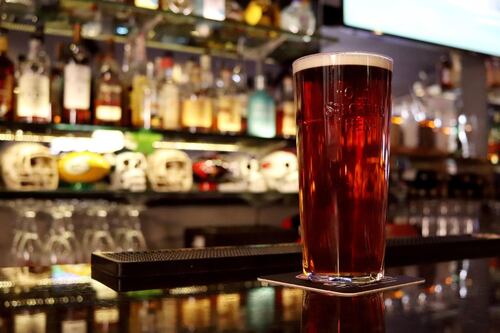
Beyond the Myth: Non-Alcoholic Beer's Flavorful Evolution and Culinary Pairings
Translated from Spanish, summarized and contextualized by DistantNews.
At a glance
In-depth
Sources not specified
Context piece
- Non-alcoholic beer has evolved significantly, challenging the myth that it lacks body, aroma, or hop bitterness.
- Two main production methods exist: de-alcoholization of traditional beer and controlled fermentation yielding "zero alcohol" beer.
- Non-alcoholic beers offer versatile food pairing options, from light seafood to hearty meats and complex moles.
The perception of non-alcoholic beer is undergoing a transformation, shedding the long-held myth that it is inferior in taste and quality. Advances in brewing technology have made it possible to produce high-quality beers without alcohol, leading to a growing trend in non-alcoholic beer and food pairings.
It is necessary to distinguish the two major verticals and their different production processes.
Manuel Castro, CEO and co-founder of Cervecería Sans, explains the two primary methods for creating these beverages. The "0.0%" category is typically made by brewing a traditional beer and then removing the alcohol through processes like vacuum evaporation or centrifugation. This method can sometimes lead to a loss of natural flavors, which are then compensated with additives. In contrast, "zero or non-alcoholic" beers (under 0.5% ABV) are produced through controlled fermentation. This technique, favored by craft breweries like Sans, uses genetically modified yeasts that do not produce alcohol, thereby preserving the beer's natural organoleptic properties.
Light, refreshing, low in calories (29 kcal).
These non-alcoholic options are proving to be surprisingly versatile culinary companions. Lighter styles like Ultra/Light and Golden Ale pair well with delicate dishes such as aguachiles, fresh seafood, Lebanese cuisine, and acidic flavors. More robust options like Lagers and IPAs complement grilled fish, red meats, and fatty dishes, while Stouts, with their notes of coffee and chocolate, are ideal for complex moles and fine dining desserts. Even in casual settings, non-alcoholic beer is emerging as a refreshing alternative to soft drinks in offices and a pleasant way to conclude a meal.
Balanced, medium body, balance between malt and bitterness.
DistantNews Editorial
Originally published by El Universal in Spanish. Translated, summarized, and contextualized by our editorial team with added local perspective. Read our editorial standards.
More Stories



From Our Blog

What Press Freedom Means for the News You Read

What Gets Lost (and Found) When News Is Translated

The Critical Role of Diaspora Media in Global News

What Travellers Should Know About Countries with Restricted Press

A Digital Nomad's Guide to Following Local News
