


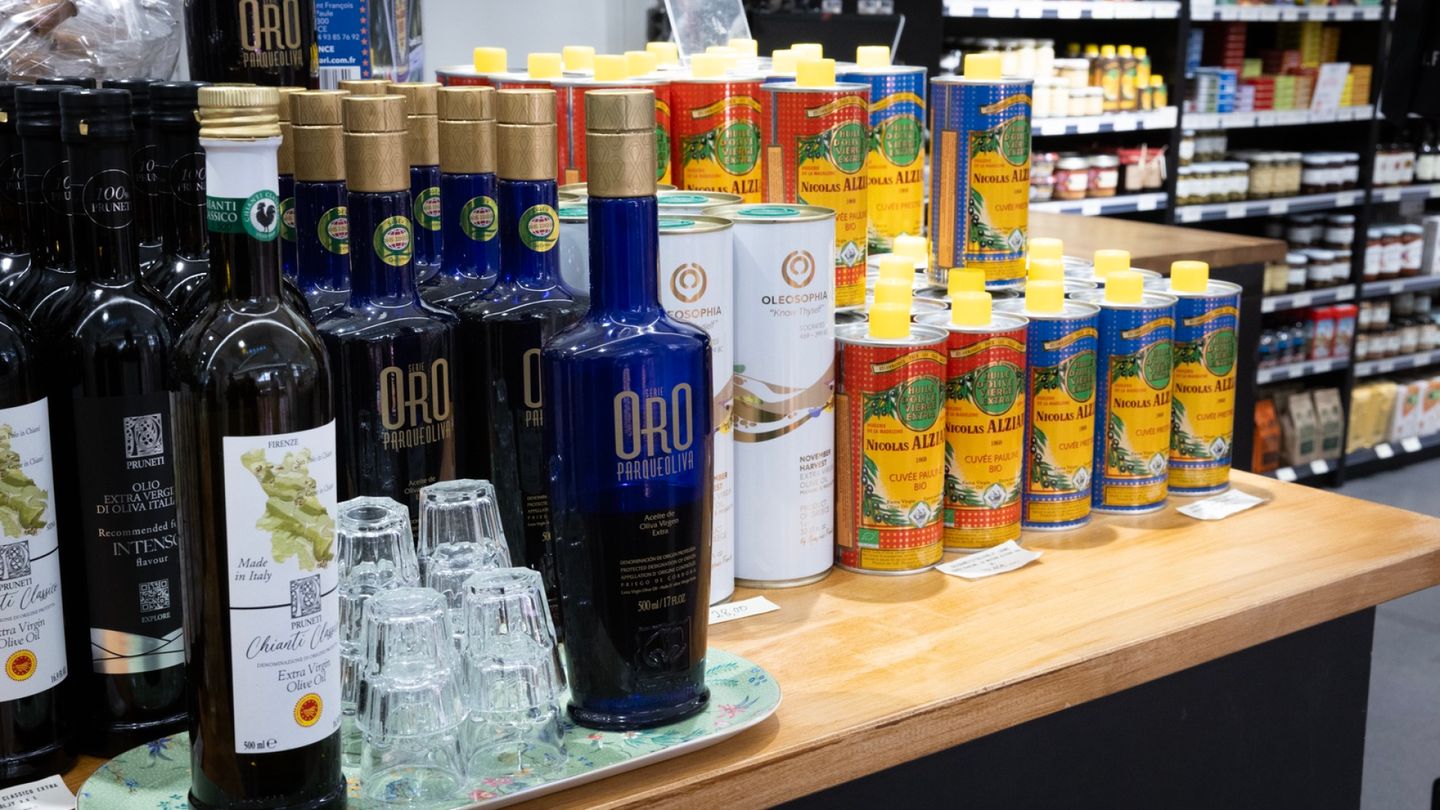
Bitter Taste is a Sign of Good Olive Oil, Experts Say
Translated from Finnish, summarized and contextualized by DistantNews.
At a glance
News
Sources not specified
Context piece
- Extra virgin and virgin olive oils are subject to stricter EU quality criteria than regular olive oil, requiring mechanical cold pressing from fresh olives.
- The origin must be labeled for extra virgin and virgin oils, unlike blended "olive oil," which may contain chemically refined oil.
- A sommelier explains that tasting, smelling for notes like tomato leaf and artichoke, and experiencing the characteristic bitterness are key to identifying high-quality olive oil.
Navigating the olive oil aisle can be daunting, with a wide selection and varying prices. However, understanding the distinctions between types, particularly extra virgin and virgin olive oils, is key to making an informed choice.
Extra virgin olive oil (EVOO) represents the highest quality, strictly regulated by EU standards. Virgin olive oil also adheres to quality criteria but allows for minor sensory defects. Both are mechanically cold-pressed from fresh olives, a process that maintains the oil's integrity, akin to fresh juice. In contrast, "olive oil" often signifies a blend that may include chemically refined oils, lacking the purity of their virgin counterparts. The origin is mandatory for EVOO and virgin oils, unlike blended versions.
The bitterness of the olive oil really is felt strongly in the throat.
Laura Valvanne, an olive oil sommelier, likens the differences to those found in orange juice – from fresh-squeezed to concentrated. She emphasizes that tasting is crucial. High-quality EVOO can offer aromas of tomato leaf and artichoke, and a distinct bitterness is a sign of its antioxidant properties. Valvanne, co-owner of the French specialty shop DeliDeli, notes that customers often discover nuanced flavors like grassiness, peppery notes, and fruitiness through tasting sessions, helping them appreciate the diverse profiles of olive oils.
You should let the oil spread throughout your mouth, and you shouldn't talk right away, because spiciness and bitterness may cause a so-called 'antioxidant cough'.
DistantNews Editorial
Originally published by Helsingin Sanomat in Finnish. Translated, summarized, and contextualized by our editorial team with added local perspective. Read our editorial standards.
More Stories



From Our Blog

What Gets Lost (and Found) When News Is Translated

The Critical Role of Diaspora Media in Global News

What Travellers Should Know About Countries with Restricted Press

A Digital Nomad's Guide to Following Local News

How the Same Story Looks Different in Different Countries
