

Blackmail scam resurfaces in Sri Lanka, preying on social media users
Translated from Sinhala, summarized and contextualized by DistantNews.
At a glance
News
Sources not specified
Context piece
- A scam involving blackmail through social media is resurfacing in Sri Lanka, with victims tricked into sending nude photos and videos.
- The Sri Lankan Computer Emergency Response Team (CERT) reports that an organized group, believed to be based in India, is targeting individuals via platforms like Instagram, Facebook Messenger, Telegram, and WhatsApp.
- Victims are coerced into sending money under threat of their compromising material being shared with family and friends.
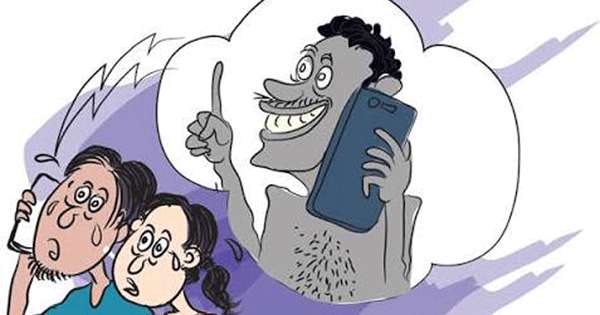
A disturbing scam that tricks individuals into sending compromising photos and videos is making a comeback in Sri Lanka. The Sri Lankan Computer Emergency Response Team (CERT) has received numerous complaints about this blackmail scheme.
Initial investigations suggest an organized group operating from India is behind the operation. They target individuals through social media platforms like Instagram, Facebook Messenger, and Telegram. The scammers then lure victims into WhatsApp video calls, gradually persuading them to pose inappropriately on camera.
A scam involving blackmail through social media is resurfacing in Sri Lanka, with victims tricked into sending nude photos and videos.
After obtaining copies of these video calls or messages, the fraudsters threaten to share them with the victim's family, relatives, and friends to extort money. The CERT also noted that before targeting an individual, the scamming group often befriends their relatives and friends on social media.
This is not the first time the CERT has warned the public about such scams, having issued an alert in May. Recent incidents show scammers first identifying targets on Instagram. Before making direct contact, they add the target's siblings and other relatives to their social media friend lists. A common tactic is to send a simple "Hi" message on Instagram to initiate contact. Even if some individuals don't respond to the first message, they may engage in conversation after receiving follow-up messages days later.
The Sri Lankan Computer Emergency Response Team (CERT) reports that an organized group, believed to be based in India, is targeting individuals via platforms like Instagram, Facebook Messenger, Telegram, and WhatsApp.
Scammers use fake accounts with attractive photos to gain trust. They then gradually steer conversations towards private exchanges, sending sexually suggestive photos and messages. The next stage involves luring individuals into WhatsApp video calls. During these calls, victims are prompted to pose inappropriately, and these moments are secretly recorded. The recordings are then used for blackmail.
In some cases, even if victims did not appear nude during the video call, the scammers have extorted money based on private conversations and messages exchanged.
Victims are coerced into sending money under threat of their compromising material being shared with family and friends.
DistantNews Editorial
Originally published by Lankadeepa in Sinhala. Translated, summarized, and contextualized by our editorial team with added local perspective. Read our editorial standards.
More Stories

From Our Blog

What Gets Lost (and Found) When News Is Translated

The Critical Role of Diaspora Media in Global News

What Travellers Should Know About Countries with Restricted Press

A Digital Nomad's Guide to Following Local News

How the Same Story Looks Different in Different Countries
