


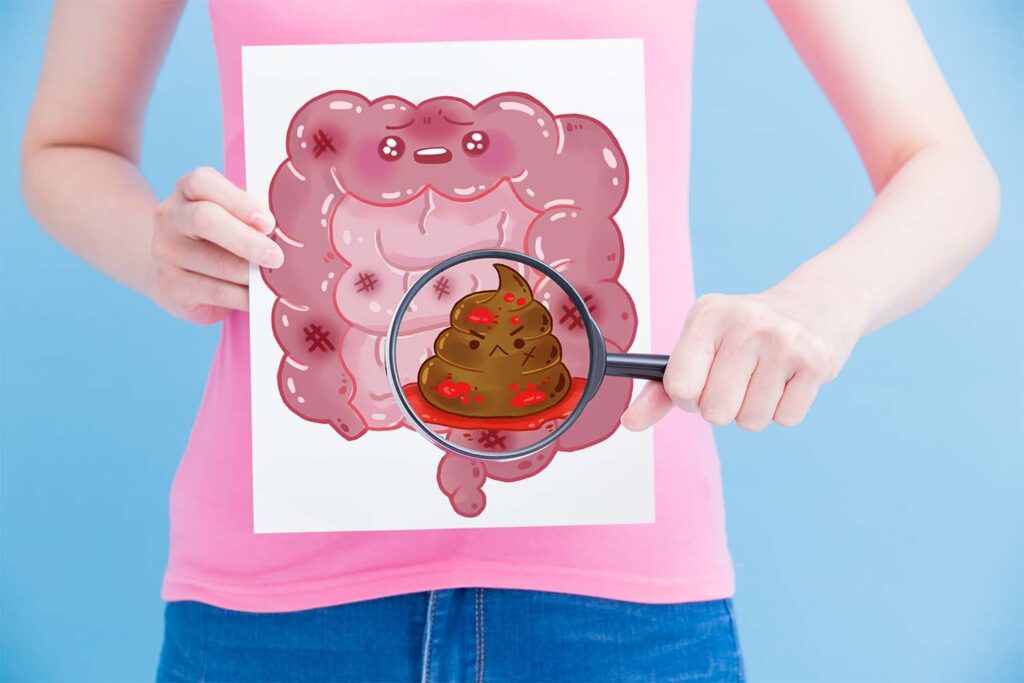
Blood in Child's Stool: Beyond Constipation, Seek Medical Advice
Translated from Malay, summarized and contextualized by DistantNews.
At a glance
News
Named sources
Context piece
- Blood in a child's stool can be alarming, but often stems from common issues like constipation or diarrhea.
- However, it can also signal more serious health problems requiring immediate medical attention.
- Pediatricians advise parents not to self-diagnose and to seek professional evaluation for any instances of blood in a child's stool, especially in infants.
Discovering blood in your child's stool can be a deeply concerning experience for parents. While many cases are linked to simple issues such as constipation or diarrhea, it is crucial to recognize that this symptom can also indicate more serious underlying health conditions that warrant prompt medical examination.
According to pediatric experts, the most frequent causes of bloody stools in children include constipation, diarrhea, and allergies to cow's milk protein. Dr. Yong Junina Fadzil explained that hard stools can cause small tears in the anal lining during bowel movements, leading to bleeding. This blood typically appears on the stool's surface or on toilet paper, and children may experience stinging during defecation. Importantly, if the bleeding is solely due to an anal tear, the child usually remains active and shows no other worrying signs like paleness or fatigue.
The color of the blood can offer initial clues about the bleeding's location. Bright red blood often suggests a source in the lower intestine or anus, as it hasn't been exposed to stomach acid. Conversely, dark blood or black stools might indicate bleeding higher up in the digestive tract, such as the stomach or upper intestines. However, Dr. Yong Junina cautions against making assumptions based on color alone, as systemic diseases like liver problems or portal hypertension can cause swollen, bleeding rectal veins. Bacterial or viral infections, and even food poisoning, can also damage the intestinal lining, leading to bleeding.
Medical professionals emphasize that any episode of bloody stool in infants under one year old should be treated as an emergency requiring immediate assessment. Infants cannot articulate their symptoms, and serious illnesses may not present obvious early signs. For children between four to six months, there's a higher risk of intussusception, a condition where a part of the intestine telescopes into another, potentially causing abdominal swelling and bloody stools described as "blackcurrant jelly stool."
DistantNews Editorial
Originally published by Utusan Malaysia in Malay. Translated, summarized, and contextualized by our editorial team with added local perspective. Read our editorial standards.
More Stories



From Our Blog

What Gets Lost (and Found) When News Is Translated

The Critical Role of Diaspora Media in Global News

What Travellers Should Know About Countries with Restricted Press

A Digital Nomad's Guide to Following Local News

How the Same Story Looks Different in Different Countries
