

BNR Warns Wrong Economic Decisions Could Cost Romania Decades; Euro Accession Remains Strategic Goal
Translated from Romanian, summarized and contextualized by DistantNews.
At a glance
News
Sources not specified
Context piece
- Romania must remain committed to joining the euro, with economic policies grounded in rigorous analysis to avoid costly long-term missteps, according to the National Bank of Romania's deputy governor.
- Cosmin Marinescu emphasized that economic decisions require data-driven analysis and a long-term perspective, highlighting the role of young economists in institutional quality and competitiveness.
- Joining the eurozone is a strategic objective for the next decade, promising a stronger economy, better living standards, and a more solid position for Romania in Europe's economic core.
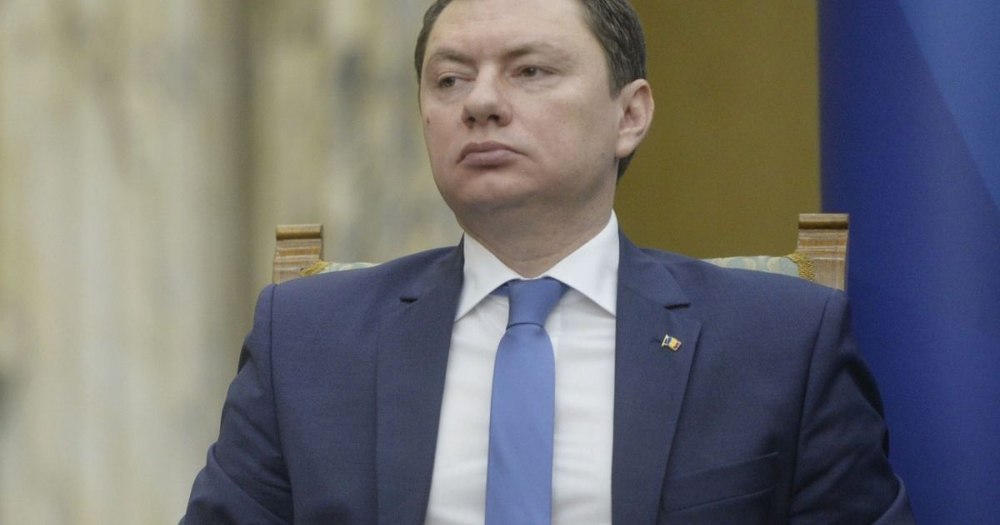
Romania must maintain its commitment to adopting the euro, grounding economic policies in rigorous analysis to prevent missteps that could require decades to correct, according to Cosmin Marinescu, deputy governor of the National Bank of Romania (BNR).
Marinescu stressed the importance of basing economic decisions on thorough analysis, data, and a long-term outlook. He noted that poorly conceived economic policies can lead a country down detrimental paths, necessitating costly adjustments over extended periods. The deputy governor also highlighted the crucial role of young economists in enhancing Romania's institutional quality and economic competitiveness. They can contribute by engaging in long-term projects and adapting economic analyses to contemporary issues such as digital transformation, climate change, and innovation.
Joining the eurozone is identified as a strategic objective for Romania over the next decade. Marinescu stated that the country must continue efforts to adjust economic imbalances and meet nominal convergence criteria. He believes euro adoption would foster a stronger economy and improve living standards through a more efficient and expanded market, reduced and stable interest rates, and more robust financial reserves. Furthermore, it would solidify Romania's position within Europe's economic core.
The path to euro adoption requires sustained efforts to address economic imbalances and fulfill convergence criteria. Marinescu underscored that achieving this goal necessitates an economic trajectory that brings Romania closer to the stability and performance levels required for integration into a common monetary space. He views euro accession not merely as a currency change but as an integral part of a broader economic and institutional consolidation process.
DistantNews Editorial
Originally published by Adevărul in Romanian. Translated, summarized, and contextualized by our editorial team with added local perspective. Read our editorial standards.
More Stories


From Our Blog

What Gets Lost (and Found) When News Is Translated

The Critical Role of Diaspora Media in Global News

What Travellers Should Know About Countries with Restricted Press

A Digital Nomad's Guide to Following Local News

How the Same Story Looks Different in Different Countries
