

Bolivia extends school break for vaccinations, drawing criticism from parents and teachers
Translated from Spanish, summarized and contextualized by DistantNews.
At a glance
News
Sources not specified
New plan
- Santa Cruz, Bolivia, extended school holidays until July 24 to boost vaccination campaigns against influenza and measles.
- Teachers and parents criticize the decision, citing a lack of cold weather or increased illness to justify the extension.
- While the regional education director cited low vaccination coverage and upcoming public gatherings, critics suggest vaccinations could occur in schools.
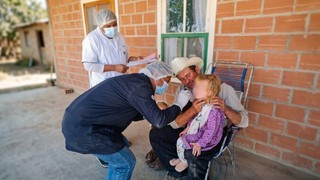
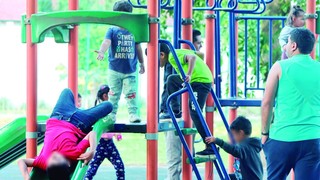
School holidays in Santa Cruz, Bolivia, have been extended by a week, pushing the return to classes to July 27. The Directorate of Education (DDE) announced the extended break, which now ends on July 24, aiming to bolster vaccination efforts against influenza and measles.
The decision, however, has drawn criticism from educators and parents who question the necessity of the measure. Lorenzo Chávez, an executive for urban teachers in Santa Cruz, stated that while the sector will comply, they find the justification lacking and the decision unilateral. "We don't see a justification, it seems like improvisation," he said.
Jaime Caraballo, a representative for parents in private schools, echoed these sentiments, arguing that neither climatic nor epidemiological conditions warrant the extended recess. "For extending vacations, climatological and epidemiological factors must be considered. There are no announcements of low temperatures nor reports indicating an increase in contagious diseases," Caraballo stated. He noted that forecasts for the upcoming week predict favorable conditions with temperatures between 22 and 30 degrees Celsius.
Nelson Alcócer, the head of the DDE, defended the decision, explaining that a massive immunization campaign, "Vaccination to return safely to educational activities," is scheduled for the following week. The goal is to improve vaccination coverage and protect students from potential epidemics, especially with upcoming national celebrations in August and September that could lead to large student gatherings. Official data indicates that influenza vaccination coverage in the Santa Cruz department had not reached 40% by June.
Despite the DDE's rationale, teachers and parents believe that vaccination campaigns could be conducted directly within schools to achieve the same objective without disrupting the academic calendar. Caraballo suggested that lost class days might need to be recovered through Saturday classes or by extending the academic year.
DistantNews Editorial
Originally published by El Deber in Spanish. Translated, summarized, and contextualized by our editorial team with added local perspective. Read our editorial standards.
More Stories



From Our Blog

What Gets Lost (and Found) When News Is Translated

The Critical Role of Diaspora Media in Global News

What Travellers Should Know About Countries with Restricted Press

A Digital Nomad's Guide to Following Local News

How the Same Story Looks Different in Different Countries
