


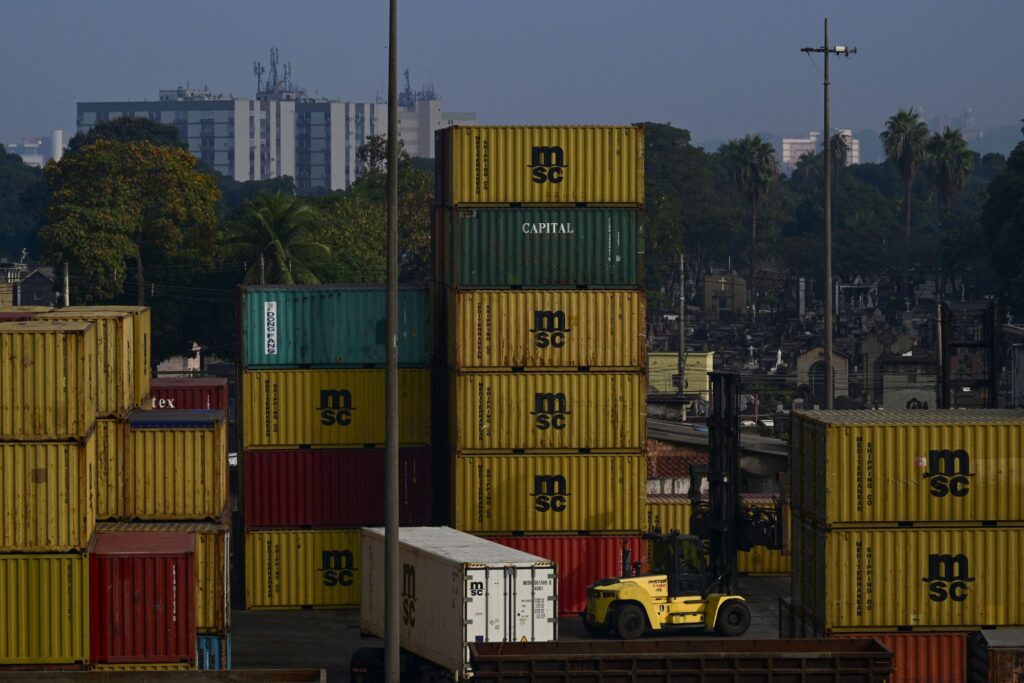
Brazil condemns U.S. decision to impose 25% tariff
Translated from Malay, summarized and contextualized by DistantNews.
At a glance
News
Named sources
Context piece
- Brazil's government has condemned the U.S. decision to impose a 25% tariff on several Brazilian products.
- The Brazilian government denies allegations of unfair trade practices, calling the U.S. decision unfounded.
- The U.S. stated the tariffs are due to Brazil's alleged unfair trade practices hindering U.S. market access, but negotiations remain open.
The Brazilian government has strongly denounced the United States' decision to implement a 25% tariff on various Brazilian products. The office of President Luiz Inacio Lula da Silva issued a statement on the platform X, rejecting the announced tariffs and denying claims of unfair trade practices by Brazil.
The U.S. announced the new tariffs following a year-long investigation into Brazil's trade practices and policies. A senior U.S. official indicated that the tariffs would take effect on July 22. However, certain products, including beef, coffee, and specific aircraft components, along with goods not produced in the U.S., are exempted.
U.S. Trade Representative Jamieson Greer stated that Brazil's alleged unfair trade practices have prevented U.S. workers and producers from accessing important markets. Despite this, the U.S. remains open to negotiations with Brazil to address the identified issues. The U.S. investigation found some Brazilian practices to be unreasonable, discriminatory, and burdensome to U.S. trade.
This move comes as the Trump administration seeks to reshape its economic agenda. The tariffs against Brazil are being implemented under Section 301 of the U.S. Trade Act. A senior U.S. official cited actions deemed detrimental by Washington, including those related to digital trade and alleged unfair competition from Brazil's electronic payment system, PIX. While negotiations are possible, Washington insists on a resolution to its concerns.
DistantNews Editorial
Originally published by Utusan Malaysia in Malay. Translated, summarized, and contextualized by our editorial team with added local perspective. Read our editorial standards.
More Stories
From Our Blog

What Gets Lost (and Found) When News Is Translated

The Critical Role of Diaspora Media in Global News

What Travellers Should Know About Countries with Restricted Press

A Digital Nomad's Guide to Following Local News

How the Same Story Looks Different in Different Countries
