


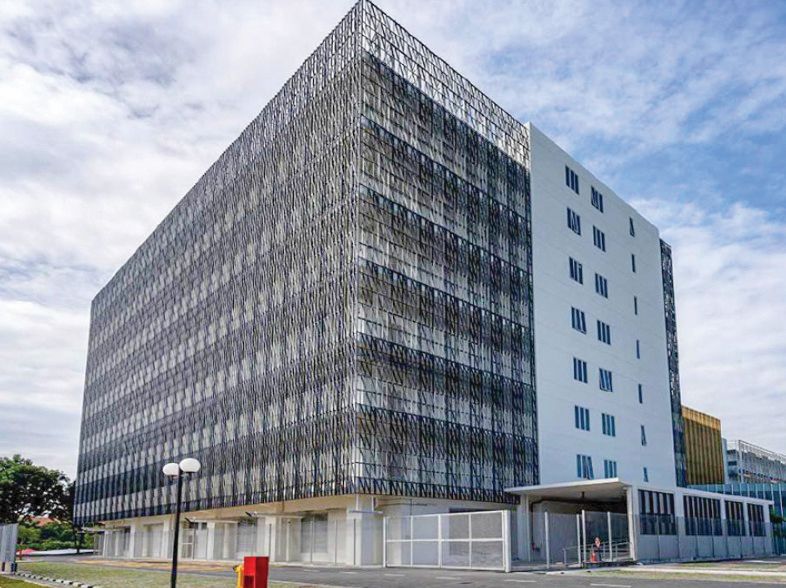
Kepesatan pusat data tidak jejas sektor perumahan
Summarized and contextualized by DistantNews.
At a glance
News
Named sources
Context piece
- Malaysia's rapid data center development is expected to boost investment and the digital economy but will have only an indirect impact on the housing sector.
- Data centers are restricted to commercial or industrial zones, preventing direct competition with residential projects for land.
- While data center demand increases industrial and agricultural land values, particularly in Johor, it does not significantly hinder housing development, with over 32,000 unsold completed homes in Malaysia.
The burgeoning data center sector in Malaysia is poised to significantly stimulate investment and the digital economy, but its impact on the housing market is expected to be indirect rather than a primary cause of land scarcity for residential development. According to Kashif Ansari, Co-founder and Group CEO of Juwai IQI, Malaysia's planning laws mandate that data centers can only be built on land zoned for commercial or industrial use. This zoning prevents direct competition with housing projects for land resources. The real competition for land arises from agricultural land awaiting rezoning, where data center developers are willing to offer higher prices than other industrial buyers. Ansari noted that despite the substantial size of individual data centers, the total land area they occupy is minimal compared to the nation's overall landmass. He estimated that 143 approved data center projects between 2021 and mid-2025 would utilize approximately 14,300 acres, representing about 0.02% of Malaysia's total land area. This issue is largely concentrated in strategic investment hubs, particularly Johor, rather than being a nationwide problem. The demand from data center operators has indeed driven up the value of industrial and potentially rezoned agricultural land. Landowners are now aware that data center buyers can offer prices up to RM140 per square foot, significantly higher than most other industrial users. For instance, the average price of industrial land in Johor increased to RM86 per square foot last year from RM79 previously, with data center transactions recorded between RM114 and RM160 per square foot. However, Ansari emphasized that this land value increase does not mean housing developers are losing development sites, as data centers are not permitted on land zoned for housing. He also pointed out that the data center sector's land acquisition does not negatively affect affordable housing development. In some cases, it has provided developers with new capital. Paragon Globe, for example, sold 113 acres in Tanjung Kupang and Plentong to a data center operator for RM636 million, securing funds for housing projects, infrastructure, new land purchases, and debt reduction. Furthermore, Malaysia has an ample supply of housing, with over 32,000 completed but unsold homes.
DistantNews Editorial
Originally published by Utusan Malaysia. Summarized and contextualized by our editorial team with added local perspective. Read our editorial standards.
More Stories



From Our Blog

What Gets Lost (and Found) When News Is Translated

The Critical Role of Diaspora Media in Global News

What Travellers Should Know About Countries with Restricted Press

A Digital Nomad's Guide to Following Local News

How the Same Story Looks Different in Different Countries
