


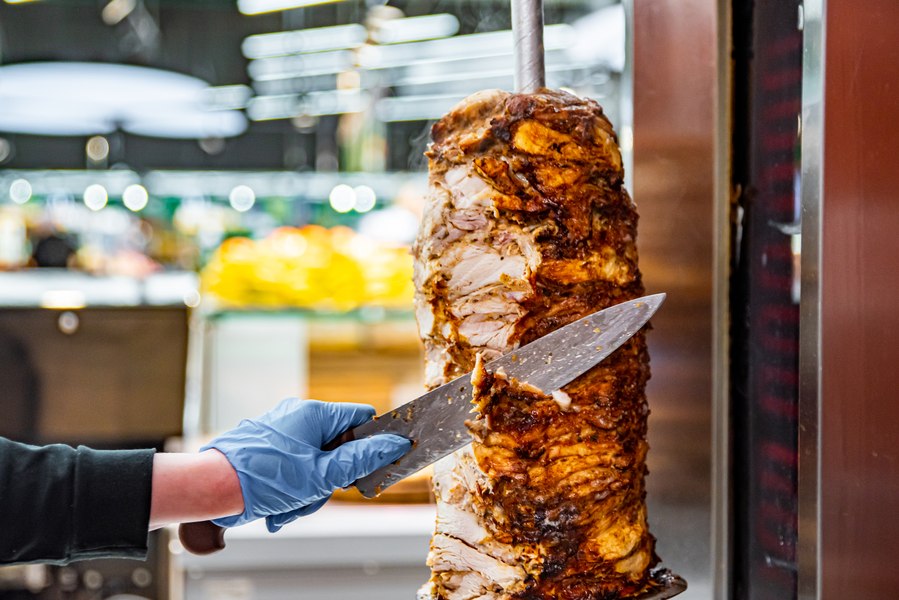
British Tourist Charged Nearly 1,700 Euros for Kebab in Rio Scam
Translated from Romanian, summarized and contextualized by DistantNews.
TLDR
- A British tourist was overcharged nearly 1,700 euros for a kebab in Rio de Janeiro after a scammer manipulated a payment terminal.
- The incident occurred on Copacabana beach, where the tourist paid 10,000 reais instead of the expected 10 reais.
- This is part of a trend of scammers targeting tourists in Rio, with similar incidents involving overpriced acai bowls and caipirinhas.
Rio de Janeiro, a city renowned for its breathtaking beaches and vibrant culture, is unfortunately also grappling with a persistent issue of tourist-targeted scams. The recent case of a British tourist being charged almost 1,700 euros for a simple kebab on Copacabana beach is a stark reminder of the predatory tactics employed by some individuals preying on unsuspecting visitors.
This incident, where a payment terminal was allegedly manipulated to inflate the bill from 10 reais to 10,000 reais, is not an isolated one. Reports indicate a disturbing pattern of similar overcharging incidents affecting tourists from Argentina and Colombia, who have been subjected to exorbitant prices for items like acai bowls and caipirinhas. The sheer audacity of these criminals, who seem to operate with impunity in some of the city's most popular tourist spots, is alarming.
While authorities are making efforts to combat this wave of fraud, particularly along the Copacabana and Ipanema beaches, the problem persists. The city's appeal as a major tourist destination, attracting millions of visitors annually for major events and its natural beauty, makes it a prime target. For locals and responsible tourism operators, these scams cast a shadow over Brazil's image and undermine the genuine hospitality the country strives to offer. It is crucial for visitors to remain vigilant and for law enforcement to intensify efforts to root out these opportunistic criminals who tarnish the experience for everyone.
I do not understand the numbers in Portuguese. I do not speak Portuguese.
DistantNews Editorial
Originally published by Adevărul in Romanian. Translated, summarized, and contextualized by our editorial team with added local perspective. Read our editorial standards.
More Stories


From Our Blog

What Gets Lost (and Found) When News Is Translated

The Critical Role of Diaspora Media in Global News

What Travellers Should Know About Countries with Restricted Press

A Digital Nomad's Guide to Following Local News

How the Same Story Looks Different in Different Countries
