


Broken Rail Infrastructure Puts Pressure on German Economy
Translated from German, summarized and contextualized by DistantNews.
At a glance
News
Named sources
Context piece
- Major German companies, including steel producer Salzgitter, are raising alarms about the deteriorating state of the national rail infrastructure.
- The poor condition of the rail network is causing significant logistical challenges, leading to production cuts and increased costs for businesses.
- Industry groups warn that the ongoing disruptions threaten the competitiveness of Germany as a business location and are demanding urgent action.
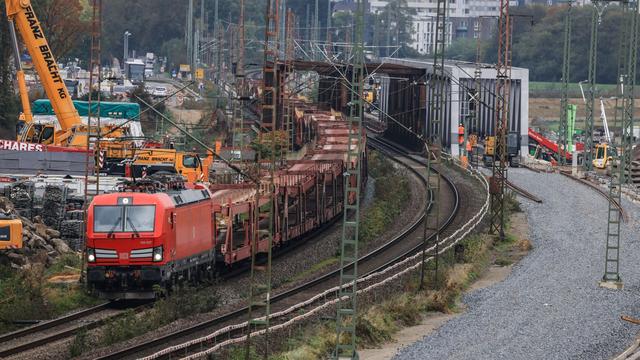
Germany's vital freight rail network is facing severe disruptions due to crumbling infrastructure, prompting urgent warnings from major industrial players. Companies like Salzgitter, a prominent steel producer, report "grave challenges" across their logistics chains, impacting both raw material deliveries and product shipments. The rail system is crucial for the steel industry, and the current state forces costly detours and additional measures, causing "noticeable economic damage."
The current infrastructural restrictions in the rail network are leading to 'grave challenges along the entire logistics chain'.
Arcelor-Mittal, Germany's second-largest steel manufacturer, has already implemented "initial production cuts" due to insufficient iron ore deliveries. This bottleneck is attributed to "ongoing construction site chaos" in northern Germany's rail network, coupled with a perceived lack of priority for freight trains. The national railway company, Deutsche Bahn, is undertaking extensive construction to halt the decay of its aging infrastructure, with significant work currently affecting key northern routes like the Hamburg-Berlin and Hamburg-Hannover connections.
The situation forces us to make complex diversions and considerable additional measures, which are associated with massive financial burdens and are now also causing noticeable economic damage.
The Verband der Güterbahnen, an association of private freight railways, has expressed strong criticism, stating that the "excessive density of poorly planned and coordinated construction sites" endangers supply chains and the very existence of freight operations. The association has threatened to withdraw its support for the current renovation strategy and pursue political and legal actions, asserting that the infrastructure company DB InfraGo is "no longer capable of ensuring a reasonably orderly operation."
initial production cuts
Deutsche Bahn acknowledged the difficulties faced by some steelworks around the Pentecost holiday and stated it is in dialogue with freight railways, industry, and trade. A task force has been formed for immediate measures, and the company announced a simplified process for millions in compensation claims for rail transport companies.
the excessive density of poorly planned and coordinated construction sites in the rail network
DistantNews Editorial
Originally published by Die Zeit in German. Translated, summarized, and contextualized by our editorial team with added local perspective. Read our editorial standards.
More Stories


From Our Blog

What Gets Lost (and Found) When News Is Translated

How the Same Story Looks Different in Different Countries

The Critical Role of Diaspora Media in Global News

What Travellers Should Know About Countries with Restricted Press

A Digital Nomad's Guide to Following Local News
