


BUDI Diesel Implementation Does Not Jeopardize 3.5% Fiscal Deficit Target
Translated from Malay, summarized and contextualized by DistantNews.
At a glance
News
Named sources
New plan
- Malaysia's BUDI Diesel program, starting July 1, will not affect the fiscal deficit target of 3.5% of GDP.
- The targeted subsidy aims to reduce leakage from smuggling and foreign use.
- The program replaces previous cash subsidies with a more targeted, technology-based framework.
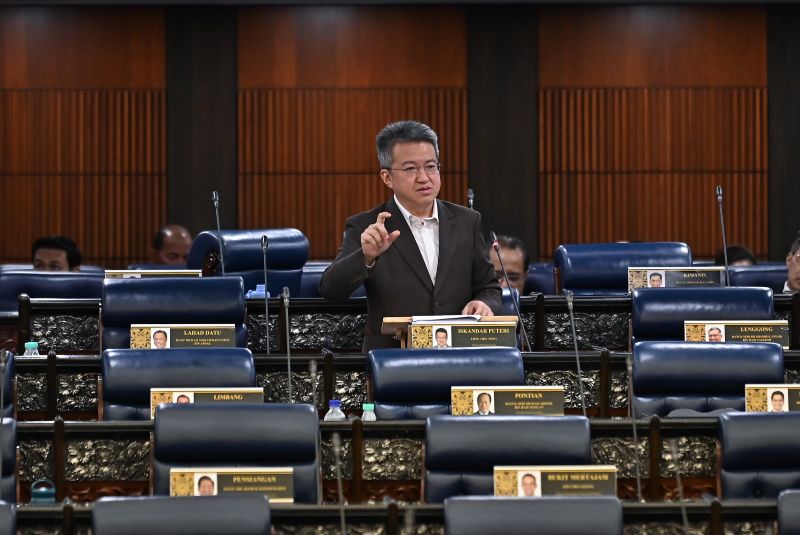
Malaysia's implementation of the BUDI Diesel program, set to begin on July 1, will not jeopardize the nation's fiscal deficit target of 3.5% of Gross Domestic Product (GDP) this year. Deputy Finance Minister Liew Chin Tong explained that the program's targeted subsidy approach is designed to curb losses from smuggling and unauthorized use by foreign nationals, rather than expanding overall subsidies. The government is restructuring diesel subsidies under the BUDI framework, moving away from direct cash handouts previously provided in 2024. Under the new mechanism, approximately 700,000 private diesel vehicle owners will receive subsidized diesel at RM2.10 per liter using their MyKad. Additionally, the subsidized diesel control scheme (SKDS) is extended to Sabah and Sarawak, offering subsidized diesel at RM2.15 per liter to about 70,000 eligible commercial vehicles, particularly those involved in goods transport, via fleet cards. Each eligible individual will receive a basic quota of up to 200 liters per month, which can be flexibly used for subsidized diesel or RON95, ensuring subsidies are allocated based on actual usage by Malaysians. Chin Tong emphasized that this approach will significantly reduce government expenditure by eliminating smuggling and preventing foreign nationals from accessing subsidized fuel, thereby improving the country's fiscal position. He also noted that pickup truck owners needing additional diesel quotas can apply for up to 100 extra liters through the BUDI portal.
DistantNews Editorial
Originally published by Utusan Malaysia in Malay. Translated, summarized, and contextualized by our editorial team with added local perspective. Read our editorial standards.
More Stories


From Our Blog

What Gets Lost (and Found) When News Is Translated

The Critical Role of Diaspora Media in Global News

What Travellers Should Know About Countries with Restricted Press

A Digital Nomad's Guide to Following Local News

How the Same Story Looks Different in Different Countries
