

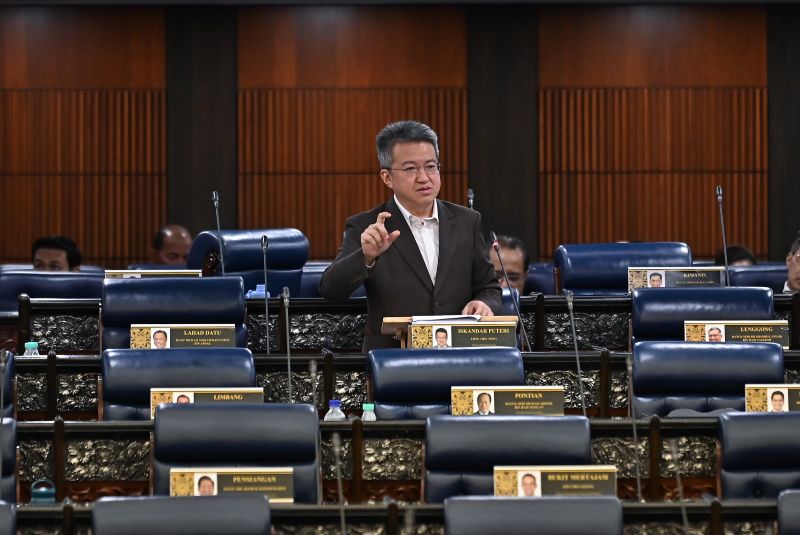

Malaysia to Unveil Low Altitude Economy Guidelines by Year-End
Translated from Malay, summarized and contextualized by DistantNews.
At a glance
News
Named sources
New plan
- Malaysia will introduce regulatory framework guidelines for the Low Altitude Economy (LAE) by year-end to ensure orderly, safe, and effective development.
- The guidelines, developed by the Civil Aviation Authority of Malaysia (CAAM), will support technologies like drones, advanced air mobility, and smart agriculture.
- The LAE sector is seen as a significant economic opportunity, expected to attract billions in investment and create high-skilled jobs, while maintaining safety as a top priority.
Malaysia is set to implement comprehensive regulatory framework guidelines for its Low Altitude Economy (LAE) by the end of the year, aiming to foster an orderly, safe, and effective ecosystem for emerging aerial technologies.
Transport Minister Anthony Loke announced that these guidelines, developed by the Civil Aviation Authority of Malaysia (CAAM), will serve as the foundation for utilizing various technologies. These include drones, unmanned aircraft systems (UAS), advanced air mobility (AAM), aerial logistics, infrastructure inspection, smart agriculture, and emergency services. The guidelines are anticipated to be unveiled at the Transport Expo Asia (TXA).
Loke highlighted the LAE as a significant economic opportunity for Malaysia, noting that the global AAM and drone technology sectors are projected for rapid expansion in the coming decade. He anticipates the sector will attract billions in investment, create high-skilled employment, strengthen the local technology ecosystem, and enhance Malaysia's regional and global competitiveness. Malaysia's existing mature aviation industry, robust engineering capabilities, growing digital economy, and strategic ASEAN location provide a strong base for LAE development.
Despite the drive for innovation, Loke stressed that safety remains paramount and will not be compromised. The government plans a phased, responsible development of the LAE, adhering to international aviation standards. He emphasized that public confidence is crucial for the sector's sustainable growth, requiring a balance between innovation, safety, and societal trust. The approach will not be rushed, ensuring each step is supported by adequate regulatory frameworks, operational capabilities, and preparedness.
DistantNews Editorial
Originally published by Utusan Malaysia in Malay. Translated, summarized, and contextualized by our editorial team with added local perspective. Read our editorial standards.
More Stories
From Our Blog

What Gets Lost (and Found) When News Is Translated

The Critical Role of Diaspora Media in Global News

What Travellers Should Know About Countries with Restricted Press

A Digital Nomad's Guide to Following Local News

How the Same Story Looks Different in Different Countries
