


Buenos Aires University researchers explore turmeric compound for memory enhancement
Translated from Spanish, summarized and contextualized by DistantNews.
At a glance
News
Sources not specified
Ongoing story
- Researchers at the University of Buenos Aires are investigating curcumin, a compound in turmeric, for its potential to improve memory.
- Early experiments show that encapsulating curcumin in nanoparticles enhances its delivery to the brain, improving memory consolidation and reconsolidation.
- This nanotechnology approach offers hope for developing treatments for neurodegenerative diseases like Alzheimer's and Parkinson's.
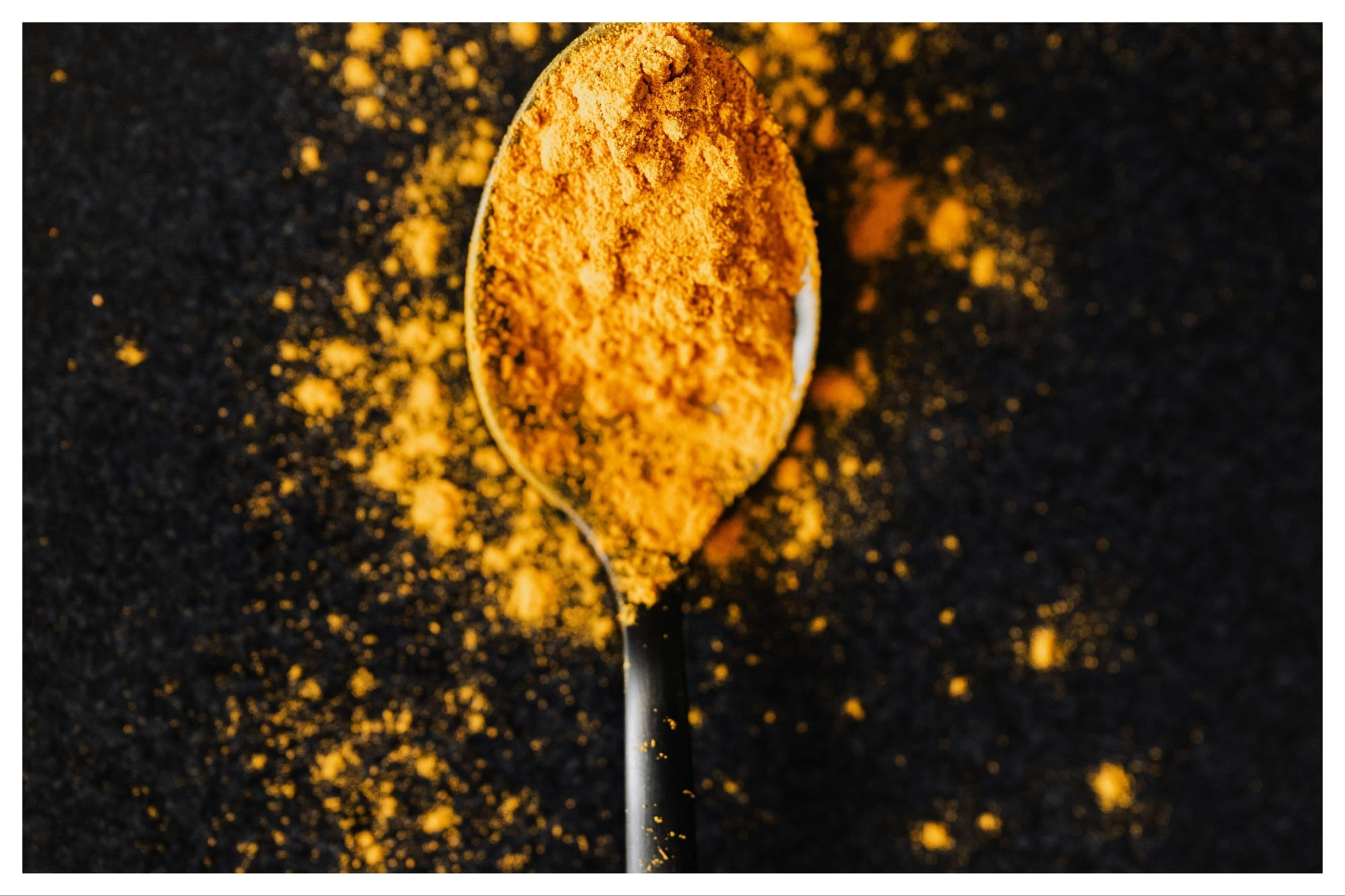
Scientists at the University of Buenos Aires (UBA) are exploring the potential of curcumin, a polyphenol found in turmeric, to combat neurodegenerative diseases and enhance memory. Curcumin, known for its characteristic yellow hue, possesses potent antioxidant and protective properties, making it a subject of intense research for conditions like Parkinson's and Alzheimer's.
The Memory Processes Neuropharmacology Laboratory at UBA's Faculty of Pharmacy and Biochemistry is testing whether curcumin, when delivered to the brain, can influence memory formation. Initial results have been surprising, indicating improved memory formation during both consolidation (when a memory is first formed) and reconsolidation (when the brain updates an existing memory). Mariano Boccia, a professor and researcher at the lab, described the findings as preliminary but promising, suggesting a facilitation of memory consolidation and reconsolidation processes.
This is a basic research project, where knowledge generation is fundamental. It is a very preliminary stage, but it seems, at first glance, that we have a facilitation of the memory consolidation and reconsolidation processes. And that is key.
Researchers emphasize that a drug's efficacy depends not only on its active ingredient but also on pharmaceutical technology that ensures sufficient delivery to the target site. To address this, the Nanomedicines Laboratory, led by Diego Chiappeta, is employing nanotechnology to create microscopic carriers for curcumin. These nanotransporters, less than 200 nanometers in size, are designed to protect the compound and guide it to the brain.
In neurodegenerative diseases characterized by memory degradation, such as Alzheimer's and Parkinson's, errors in protein processing lead to neuronal dysfunction and death. The UBA team believes that curcumin delivered via nanotransporters could offer a new avenue for reversing or mitigating these cellular deteriorations. This research opens possibilities for developing new therapeutic strategies targeting the mechanisms underlying memory loss.
A nanotransport is a small ball that has a nanometric size, less than 200 nanometers. They are very small, not visible to the naked eye, several fit inside a red blood cell. At that scale, the physical and chemical properties change, and the body processes them differently. And that nano sphere will carry a drug.
DistantNews Editorial
Originally published by La Nación in Spanish. Translated, summarized, and contextualized by our editorial team with added local perspective. Read our editorial standards.
More Stories


From Our Blog

What Gets Lost (and Found) When News Is Translated

The Critical Role of Diaspora Media in Global News

What Travellers Should Know About Countries with Restricted Press

A Digital Nomad's Guide to Following Local News

How the Same Story Looks Different in Different Countries
