


Building the Future Energy System: Renewables Crucial for Austria's Independence and Security
Translated from German, summarized and contextualized by DistantNews.
At a glance
News
Named sources
Context piece
- Austria faces geopolitical and supply chain vulnerabilities, highlighting energy as a strategic power factor.
- Experts emphasize transitioning to renewables like wind power to strengthen energy independence, regional value creation, and resilience against foreign suppliers.
- Shifting away from fossil fuels is crucial, with significant funds previously spent on foreign energy imports now available for domestic investment.
Austria and Europe face significant vulnerabilities due to global geopolitical shifts and disrupted supply chains, making energy a critical strategic factor. The transition to renewable energy sources, particularly wind power, is presented as key to enhancing energy independence, fostering regional economic growth, and building resilience against foreign energy suppliers.
Often is the money to dubious regimes flowed, which promote geopolitical tensions even further and it has not served the good governance.
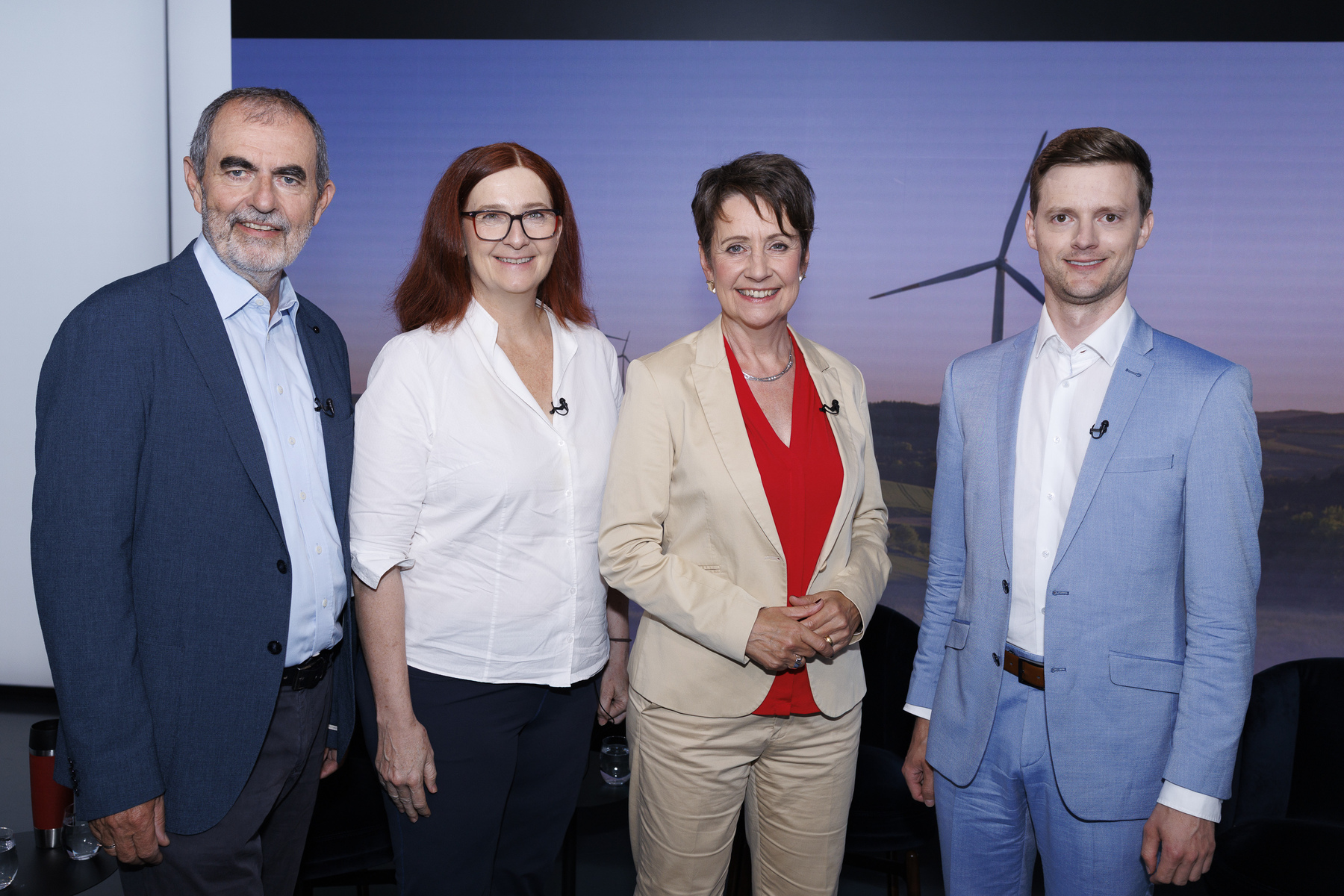
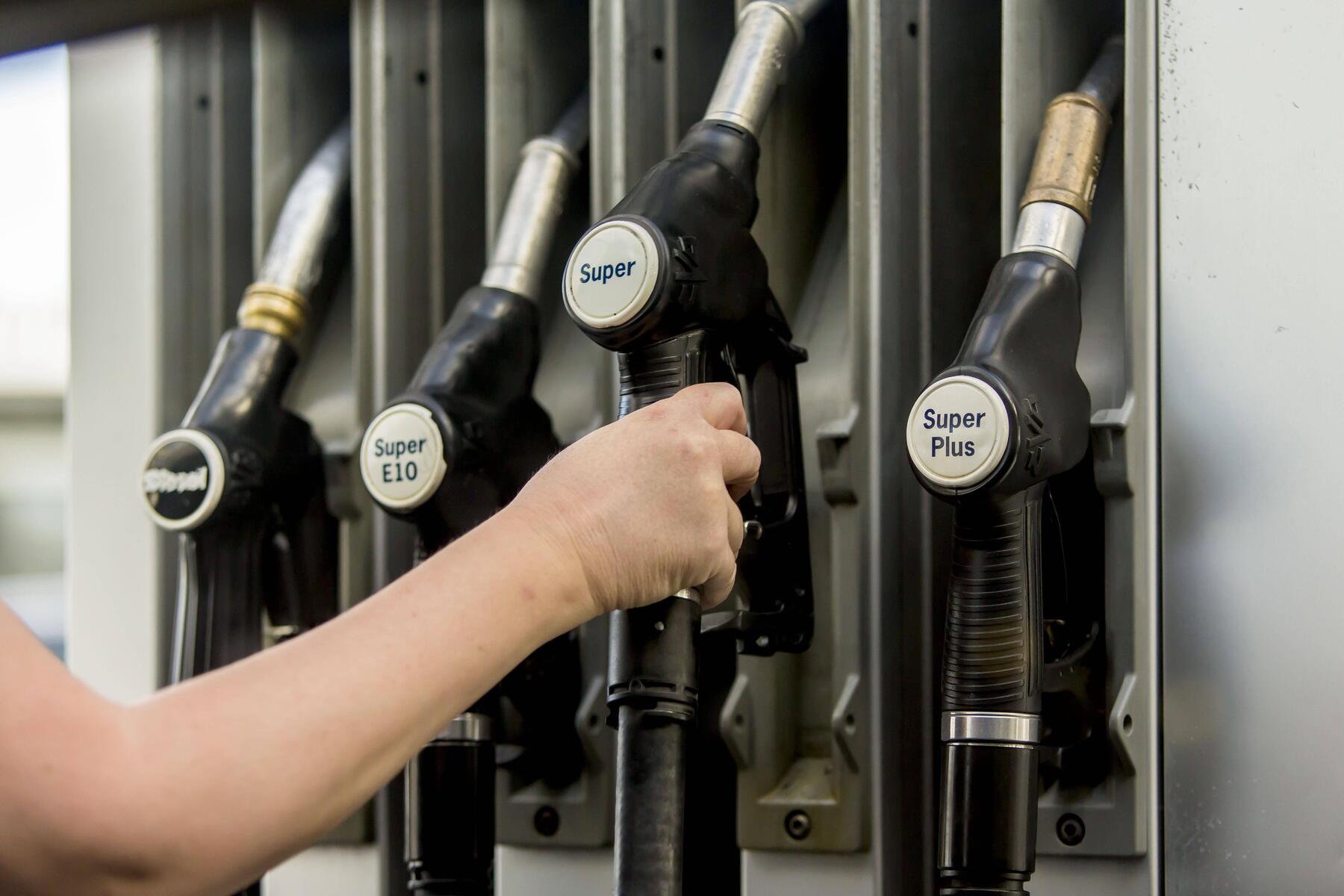
Experts participating in a discussion hosted by "Die Presse" highlighted the financial drain of importing fossil fuels. In 2022, Austria spent 19 billion euros on foreign fossil energy deliveries, a figure that still stood at eight billion euros last year despite lower prices. Sigrid Stagl, head of the Institute for Ecological Economics at WU Wien, pointed out that this money often flowed to "dubious regimes" that exacerbate geopolitical tensions and do not serve good governance. Josef Plank, president of the IG Windkraft (Wind Power Interest Group), added that funds spent on foreign energy are funds lost for domestic investment, advocating for a complete exit from fossil fuels.
Money that flows abroad for energy supplies is missing for domestic investments.
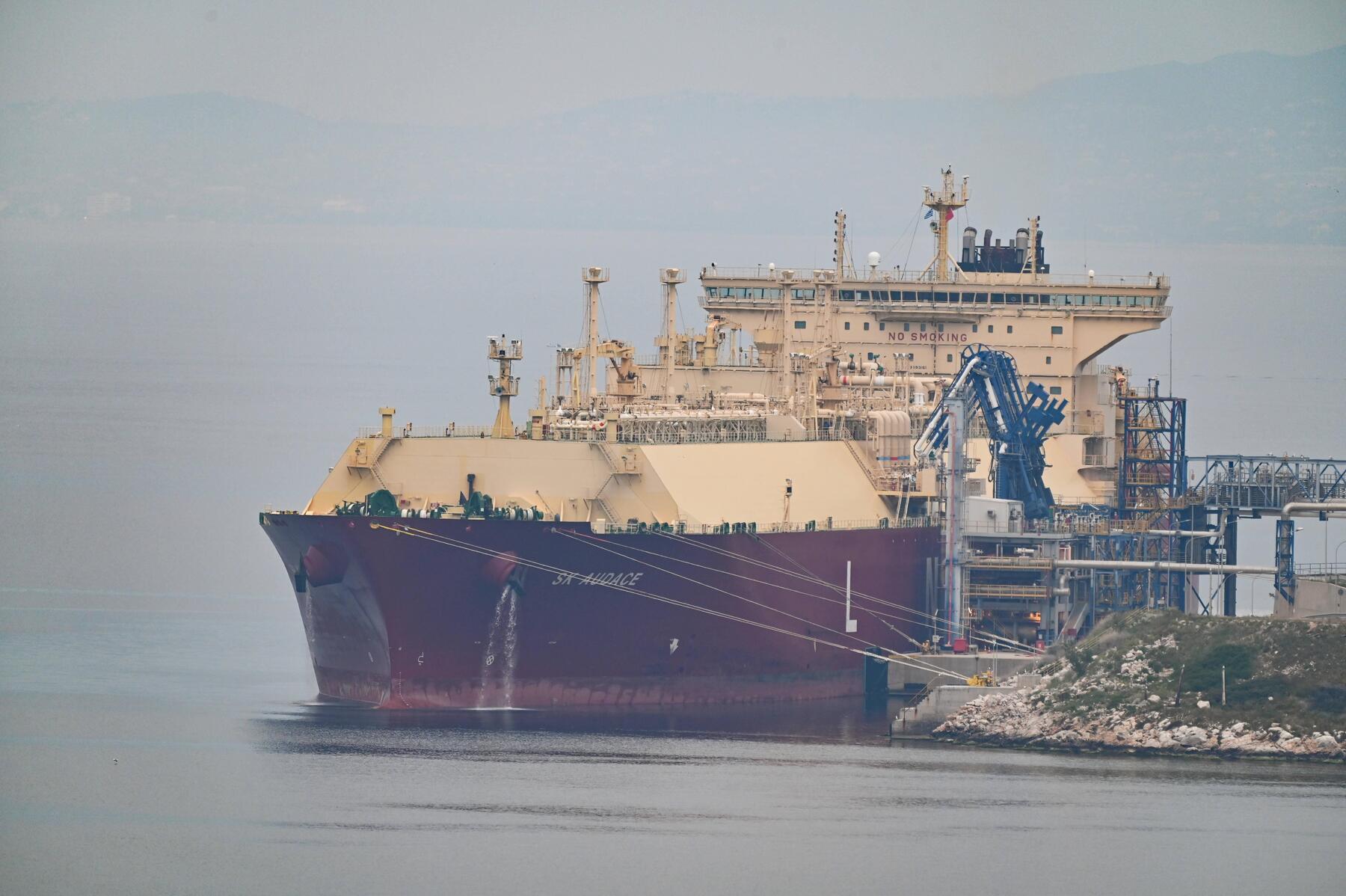
Michael Zinkanell-Süss, director of the Austria Institute for European and Security Policy, elaborated on the deeper structural issue of dependency on foreign energy production sites and transport routes. He cited the Strait of Hormuz as a critical example, underscoring the need to monitor such vital shipping lanes for supply security. Sabine Herlitschka, CEO of Infineon, shared her company's proactive approach, noting that Infineon shifted away from fossil fuels years ago, converting a significant portion of its energy consumption to renewables like district heating and green electricity since 2014. She attributed this move to dependencies, the pursuit of sovereignty, and cost pressures.
The fundamental problem lies much deeper and is more structural. Austria and Europe are in great dependence on energy production sites and transport routes.
Austria now confronts the historic task of building a future energy system centered on renewables. This transition is not merely an environmental imperative but a strategic necessity for national security and economic stability in an increasingly volatile global landscape. The discussion underscored that investing in domestic renewable energy production is vital to reduce financial outflows, bolster national resilience, and secure a prosperous future.
We already got out of fossil fuels many years ago and have converted a large part to renewables since 2014. This includes district heating and green electricity. Driven by dependencies, the claimed sovereignty and cost pressure, a lot has happened.
DistantNews Editorial
Originally published by Die Presse in German. Translated, summarized, and contextualized by our editorial team with added local perspective. Read our editorial standards.
More Stories
From Our Blog

What Gets Lost (and Found) When News Is Translated

The Critical Role of Diaspora Media in Global News

What Travellers Should Know About Countries with Restricted Press

A Digital Nomad's Guide to Following Local News

How the Same Story Looks Different in Different Countries
