

Oil Prices Drop, But Fuel Costs Remain High in Europe
Translated from German, summarized and contextualized by DistantNews.
At a glance
News
Sources not specified
Context piece
- International crude oil prices have fallen significantly, with Brent crude nearing $73 per barrel, down from over $100.
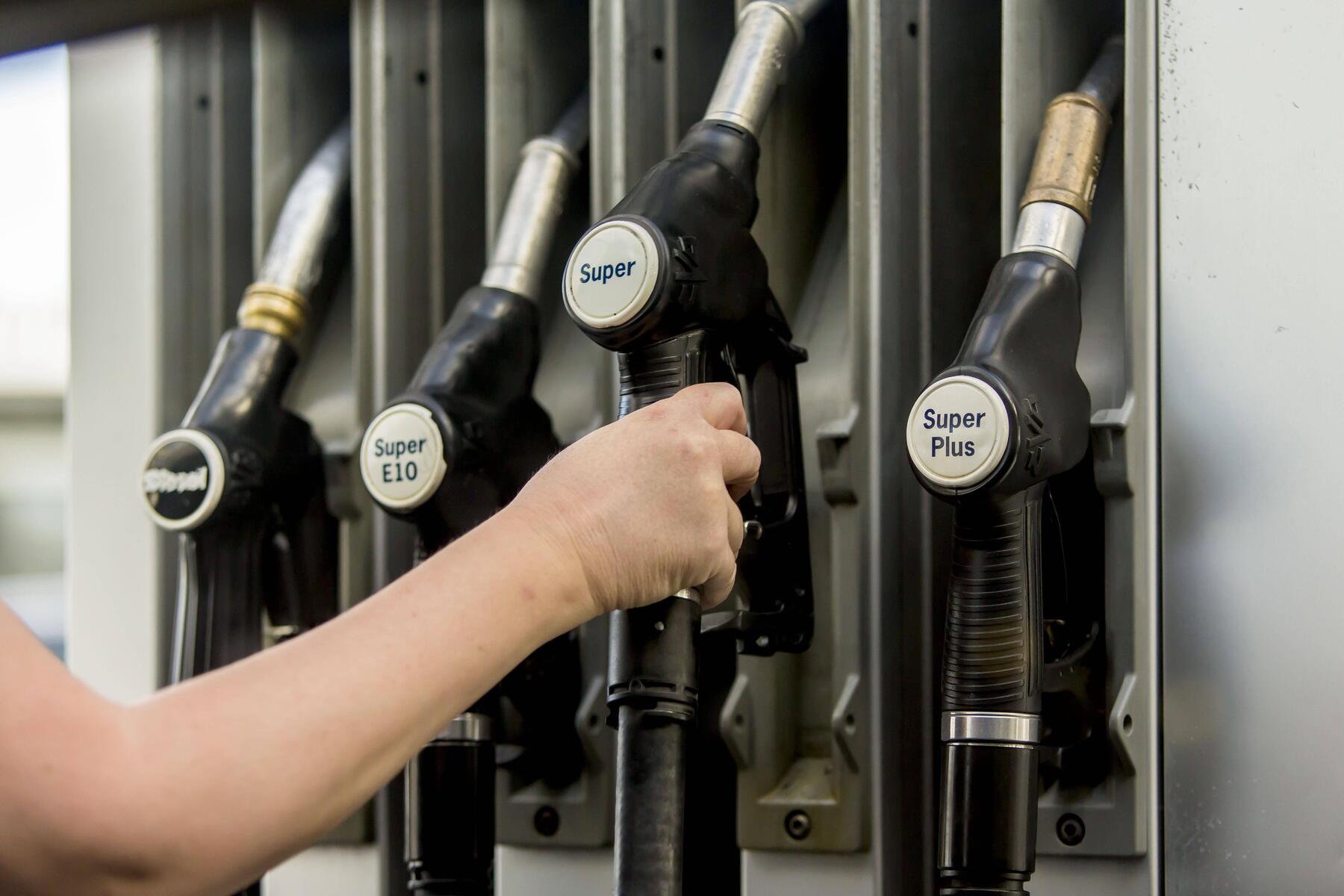
- Despite lower oil prices, fuel prices at the pump in Europe remain high, with diesel and gasoline costs significantly above current crude oil values.
- Experts predict it will take three to four months for falling crude oil prices to reflect at the pump, with market conditions remaining tense.
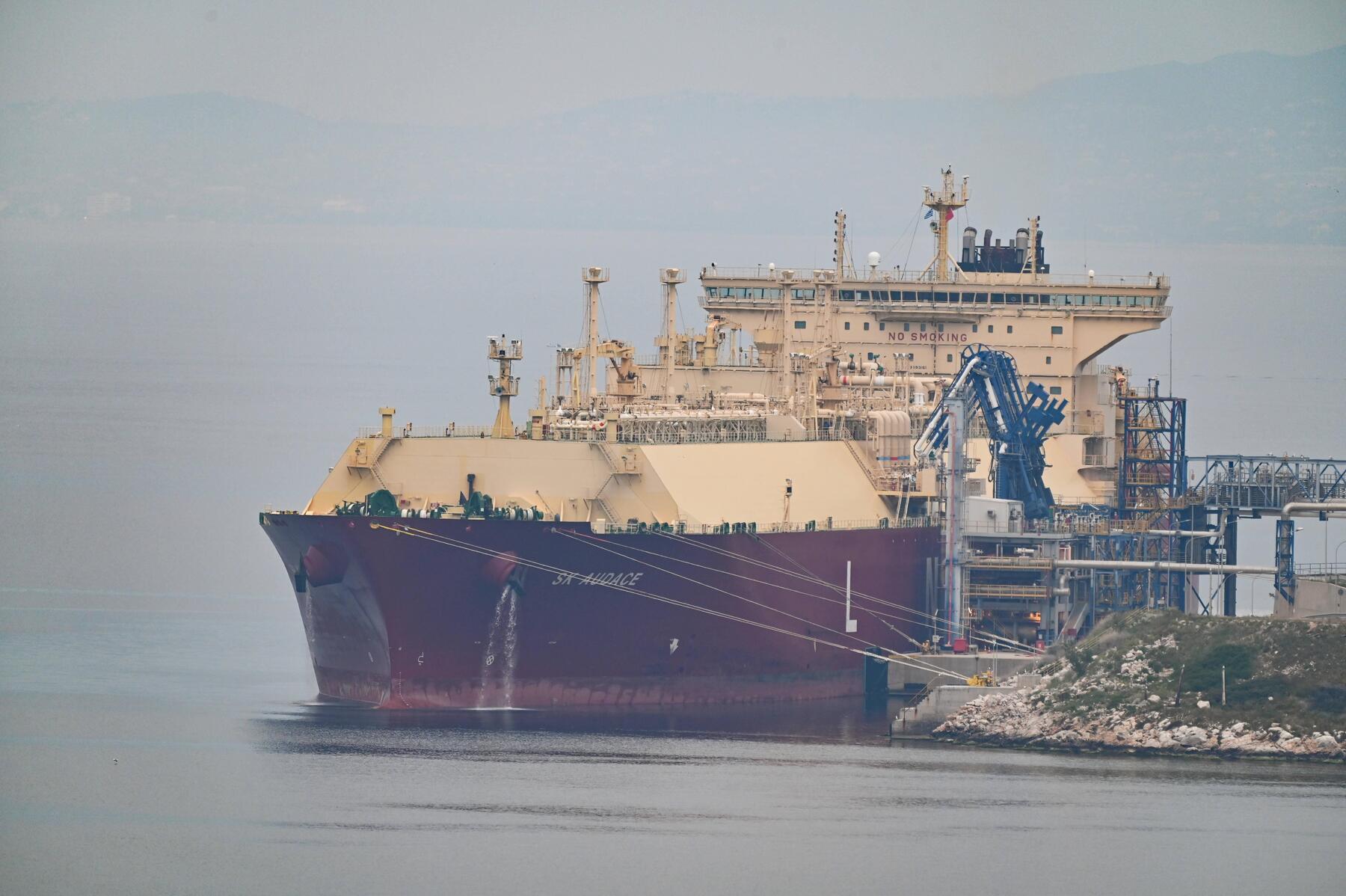
International crude oil markets have stabilized, with Brent crude now trading around $73 per barrel, a notable drop from the highs exceeding $100 seen in recent months. This price decline follows the partial reopening of the Strait of Hormuz, which has largely normalized oil supply from the Middle East. Tankers from Saudi Arabia and the United Arab Emirates can now transit the crucial waterway, with approximately ten million barrels of crude oil passing through daily.
Gasoline and diesel are traded as if the crude oil price per barrel were between 95 and 100 US dollars.
However, this decrease in crude oil prices has not translated to lower fuel costs for consumers, particularly in Europe. In Austria, diesel costs €1.741 per liter and gasoline €1.699. Prices are even higher in other European countries, with Germany seeing diesel at €1.946 and gasoline at €2.016 per liter. Even in Croatia, diesel is €1.66 and gasoline €1.61 per liter.
Patrick Pouyanné, CEO of TotalEnergies, explained that gasoline and diesel are currently being traded as if crude oil prices were between $95 and $100 per barrel. He attributes this to high crude oil inventories held by Middle Eastern producers, who fear they may not be able to sell their stock. Pouyanné estimates it will take three to four months for prices at the pump to align with the falling crude oil costs. The Organization of the Petroleum Exporting Countries (OPEC+) plans to increase production quotas starting in August.
Generally speaking, the markets remain tense. You can see that in the inventories in the USA.
Energy expert Johannes Benigni cautions that market conditions remain tense, citing US inventory levels. He notes that market prices are heavily influenced by expectations, but the reality is a shortage of refined products. Further de-escalation in the Middle East and a potential full reopening of the Strait of Hormuz, contingent on US-Iran "Memorandum of Understanding" talks scheduled for July 18, could impact prices. Benigni advises against premature optimism, stating, "We are too early to pray for prices to go down."
We are too early to pray for prices to go down.
DistantNews Editorial
Originally published by Die Presse in German. Translated, summarized, and contextualized by our editorial team with added local perspective. Read our editorial standards.
More Stories


From Our Blog

What Gets Lost (and Found) When News Is Translated

The Critical Role of Diaspora Media in Global News

What Travellers Should Know About Countries with Restricted Press

A Digital Nomad's Guide to Following Local News

How the Same Story Looks Different in Different Countries
