


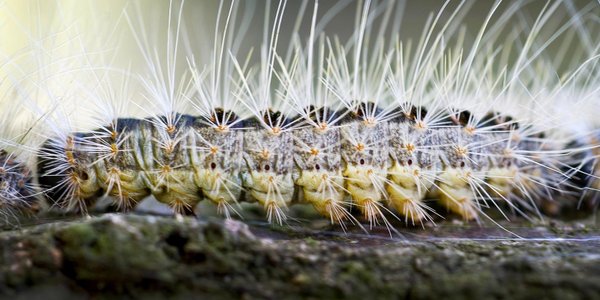
Burning caterpillars spread in Germany, threat grows near border
Translated from Polish and summarized by DistantNews. Read the original for the full story.
At a glance
News
Sources not specified
Context piece
- Pine processionary caterpillars are spreading across Germany, particularly in regions bordering Poland, due to warm and dry weather.
- Authorities are combating the caterpillars, which can cause severe allergic reactions, skin irritation, and breathing problems, with aerial spraying of insecticides and other methods.
- The caterpillars, native to southern Europe, are expected to expand their range further in Germany due to climate change.
Germany is facing an escalating threat from the pine processionary caterpillar, a species that thrives in warm and dry conditions. These caterpillars, known for their toxic hairs that can trigger severe allergic reactions, skin irritation, and respiratory issues, are spreading northward and are now prevalent in German regions bordering Poland.
Authorities in several German states, including Mecklenburg-Vorpommern, Brandenburg, and Saxony-Anhalt, are implementing aerial spraying of insecticides based on bacteria to combat the infestation. Hundreds of hectares have been treated, and in other areas, selected oak trees, particularly in locations like kindergartens, cemeteries, and sports fields, are being sprayed preventatively. In Leipzig, nematodes are being used in green spaces, and in other regions, nests are being removed from trees.
The German Federal Environment Agency (UBA) advises the public to avoid areas with infested trees whenever possible, as sensitivity to the caterpillars' hairs can increase with repeated exposure. While large, web-like nests on trees might cause concern, they are often the work of non-threatening web-spinning moths. The pine processionary caterpillar, however, exclusively targets oak trees and its nests are typically more compact, found on trunks or branch forks.
Originally from southeastern Europe, the pine processionary caterpillar was rare in Germany just decades ago. However, increasing instances of mass reproduction are being observed. The UBA attributes this expansion to climate change and warmer spring months, predicting further spread of the species across Germany.
About this summary
Originally published by Rzeczpospolita in Polish. Translated, summarized, and contextualized automatically by DistantNews, with a note on how the source frames the story. Not individually reviewed before publishing. How this works.
More Stories



From Our Blog

What Gets Lost (and Found) When News Is Translated

The Critical Role of Diaspora Media in Global News

What Travellers Should Know About Countries with Restricted Press

A Digital Nomad's Guide to Following Local News

How the Same Story Looks Different in Different Countries
