

Burnout Rate Among Vietnamese Healthcare Staff Ranges from 30% to 58%
Translated from Vietnamese, summarized and contextualized by DistantNews.
At a glance
News
Sources not specified
Context piece
- Burnout affects 30-58% of healthcare workers in Vietnam, with many hesitant to seek psychological support due to the pressure of being a "healer."
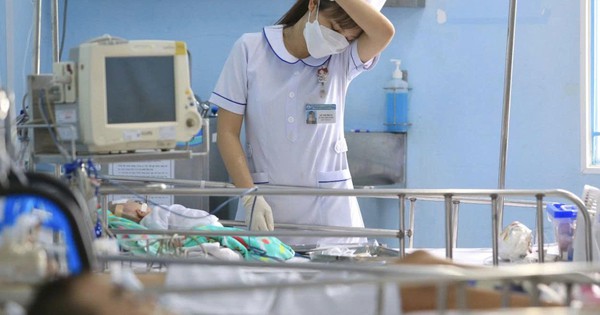
- Healthcare professionals, especially in critical care units, face immense stress from witnessing pain and death, leading to psychological trauma.
- International studies show 40-55% burnout rates and 20-30% anxiety or depression among healthcare workers, with Vietnam's rates falling within this range.
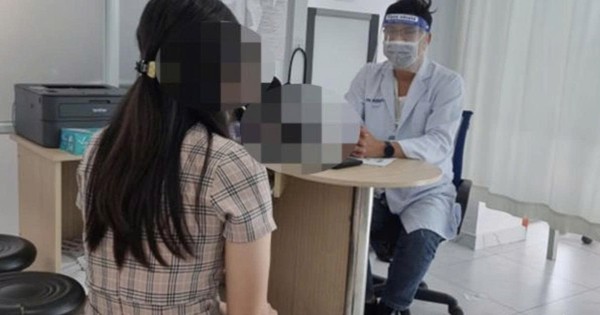
Burnout is a significant issue among healthcare workers in Vietnam, with rates ranging from 30% to 58%. This high prevalence is compounded by a societal expectation that those who heal others "cannot be sick themselves," making many reluctant to seek psychological help.
During a scientific conference on mental health, Dr. Nguyen Van Vinh Chau, Deputy Director of the Ho Chi Minh City Department of Health, highlighted the critical role of healthcare workers' mental well-being in the overall quality of the health system. He noted that while infrastructure and technology are important, the mental state of frontline caregivers is paramount.
Common mental health issues faced by medical staff include stress, anxiety, depression, burnout, and post-traumatic stress disorder. Workers in emergency rooms, intensive care, anesthesia, and other high-acuity specialties are particularly vulnerable. They continuously witness suffering and death, which can lead to psychological trauma, even if they are perceived as becoming "numb" over time.
60,5% người tham gia lo bị đánh giá là yếu đuối nếu thừa nhận khó khăn tâm lý và tìm kiếm sự hỗ trợ.
This trauma accumulates with each patient loss, coupled with the emotional burden of dealing with the pain and disappointment of patients' families. Adding to this pressure is the "healer cannot be sick" paradox. When medical professionals experience mental health problems, this expectation weighs heavily on them, prompting the question: "Who will heal the healer?"
International research supports these findings, with burnout rates typically between 40-55% and anxiety or depression affecting 20-30% of healthcare workers. A European study by the MeND project surveyed over 90,000 doctors and nurses across 29 countries, finding that one-third showed signs of depression or anxiety, and one in ten had suicidal thoughts. Vietnam's reported rates of 30-58% burnout and 20-50% depression or anxiety align with these global figures.
A survey by the Ho Chi Minh City Department of Health revealed that 60.5% of healthcare workers fear being judged as weak if they admit to psychological difficulties. Despite 83.8% expressing a desire for on-site psychological support, many hesitate to use these services due to concerns about confidentiality.
Dù 83,8% mong muốn có chuyên gia tâm lý hỗ trợ tại nơi làm việc, nhiều người vẫn e ngại sử dụng dịch vụ vì lo thông tin cá
DistantNews Editorial
Originally published by Thanh Niên in Vietnamese. Translated, summarized, and contextualized by our editorial team with added local perspective. Read our editorial standards.
More Stories

From Our Blog

What Gets Lost (and Found) When News Is Translated

The Critical Role of Diaspora Media in Global News

What Travellers Should Know About Countries with Restricted Press

A Digital Nomad's Guide to Following Local News

How the Same Story Looks Different in Different Countries
