

Cà Mau Launches DNA Campaign to Identify Over 3,300 Martyrs
Translated from Vietnamese, summarized and contextualized by DistantNews.
At a glance
News
Sources not specified
Ongoing story
- Vietnam's Cà Mau province is undertaking a 500-day campaign to identify the remains of over 3,300 unidentified martyrs using DNA analysis.
- The initiative aims to provide closure for families and honor fallen soldiers by determining the identities of those buried in the province's cemeteries.
- Samples are being collected and sent to the Institute of Forensic Science for DNA testing, with a target to complete sample collection by the first quarter of 2027.
Cà Mau province in Vietnam is embarking on an ambitious "500-day and night" campaign to identify the remains of 3,382 martyrs whose identities remain unknown more than half a century after the country's reunification. This initiative seeks to bring closure to families and provide a sense of dignity to fallen soldiers.
The province's cemeteries hold 16,721 graves, with a significant portion lacking identification. To address this, the provincial Steering Committee for Searching, Collecting, and Identifying Martyrs' Remains (Committee 515) launched the campaign. The primary goal is to complete the collection of DNA samples by the first quarter of 2027.
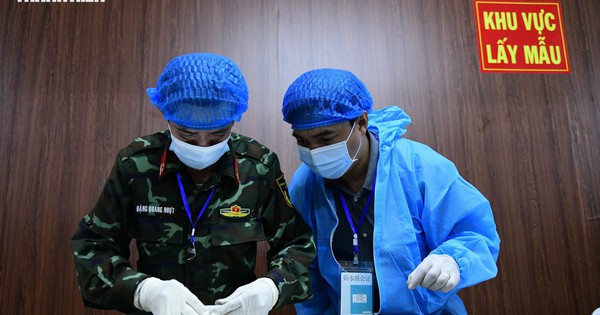
The operation officially began at the Trần Văn Thời commune martyrs' cemetery, where a joint task force, including personnel from the Cà Mau Provincial Military Command, was established. Before fieldwork, all involved personnel underwent training to ensure standardized procedures for sample collection, maintaining both professional standards and solemnity.
Tỉnh thành lập tổ công tác liên ngành cùng 2 đội lấy mẫu chuyên trách, với lực lượng nòng cốt là cán bộ, chiến sĩ Bộ Chỉ huy quân sự tỉnh Cà Mau.
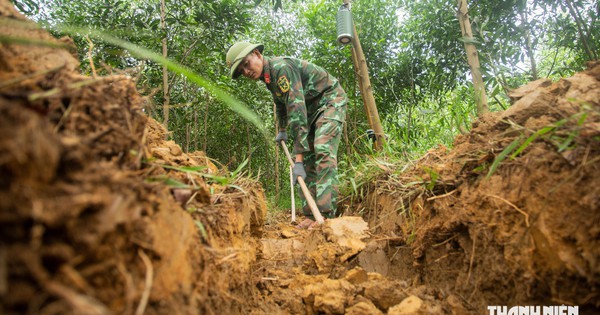
Collecting samples has presented challenges, particularly at the Trần Văn Thời cemetery, which has undergone renovations, placing remains at an average depth of over one meter. Despite these difficulties, by July 8, 237 eligible biological samples had been collected and sent to the Institute of Forensic Science under the Ministry of Public Security for DNA analysis.
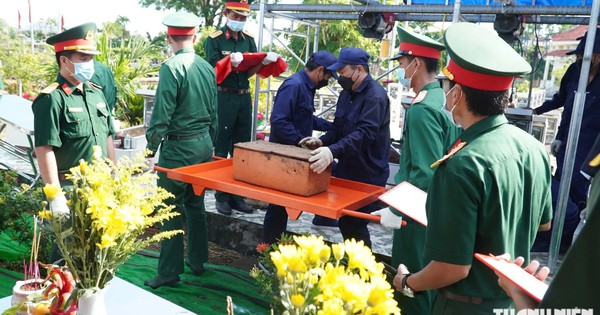
Local cemetery managers have noted that many relatives still visit, hoping to find the graves of loved ones. The DNA identification process offers a renewed hope for these families. Alongside sample collection, Committee 515 is also conducting surveys and verification of information in various communes. This has already led to the identification of two martyrs' remains and the successful exhumation of two others in Mỹ Hưng commune, in coordination with the 9th Military Region's Political Department.
Theo ông, việc lấy mẫu giám định ADN mở ra thêm cơ hội để các gia đình có thể tìm lại người thân sau nhiều năm chờ đợi.
DistantNews Editorial
Originally published by Thanh Niên in Vietnamese. Translated, summarized, and contextualized by our editorial team with added local perspective. Read our editorial standards.
More Stories

From Our Blog

What Gets Lost (and Found) When News Is Translated

The Critical Role of Diaspora Media in Global News

What Travellers Should Know About Countries with Restricted Press

A Digital Nomad's Guide to Following Local News

How the Same Story Looks Different in Different Countries
