


Calls grow for comprehensive asset income tax as KOSPI nears 9000 amid inequality fears
Translated from Korean, summarized and contextualized by DistantNews.
At a glance
News
Named sources
Context piece
- Amid concerns of widening inequality due to the booming stock market, calls are growing to shift asset income taxation to a comprehensive system.
- Proponents argue this would increase tax fairness by including new income sources like virtual assets under the general income tax.
- The debate highlights the limitations of the current income source-based taxation and the need for a more equitable approach.
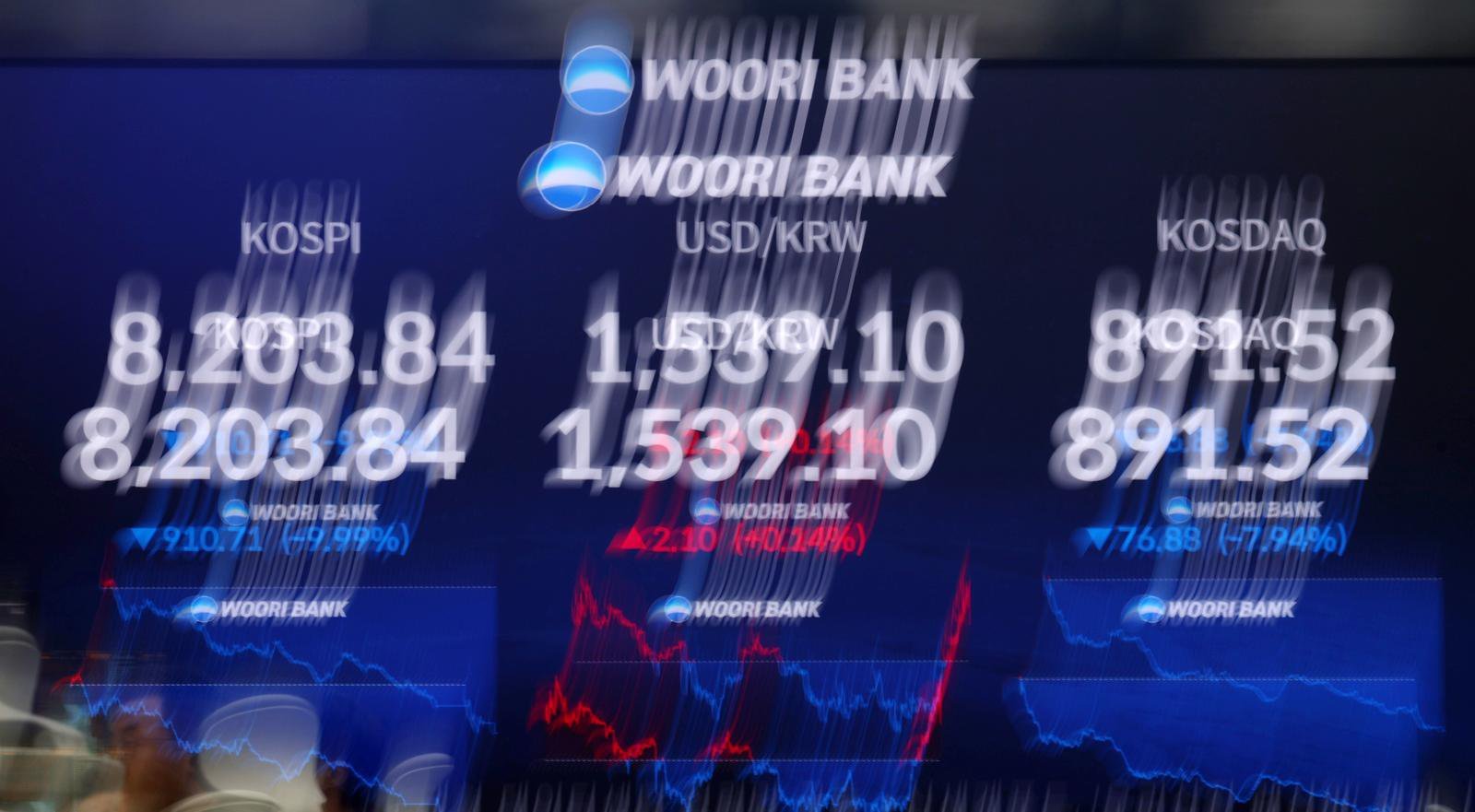
As South Korea's stock market surges, with the KOSPI index nearing 9,000 points, concerns are mounting over deepening asset inequality. In response, a growing chorus is advocating for a shift in asset income taxation towards a comprehensive system.
This proposed shift aims to enhance tax fairness by incorporating new forms of income, such as those from stocks and virtual assets, into the general income tax framework. Currently, these new income streams are often taxed separately, leading to potential loopholes and disparities. Professor Kim Hyun-dong of Pai Chai University argued at a forum on "Asset Income Taxation Gaps and the Transition to Comprehensive Income Taxation" that South Korea has historically faced significant tax resistance during legislative processes to broaden the tax base. He believes that taxing income without discrimination based on its source is more aligned with tax neutrality and fairness.
From the perspective of tax fairness and justice, it is better to tax income without discrimination based on its source, which is more advantageous in terms of tax neutrality and fairness.
The current income tax law in South Korea is largely based on the "source of income" principle, which primarily taxes regular and recurring income like wages. Professor Kim pointed out that this system inevitably creates tax gaps, as individuals earning similar amounts can face different tax burdens depending on the source of their income. The process of including new income sources, such as asset income, in tax laws often encounters resistance, leading to deferred implementation or lower tax rates.
The existing 'source of income' principle has failed to capture new forms of labor, capital gains, and virtual asset income, widening tax gaps and income inequality.
Labor groups also argue that the current tax system fails to adequately reflect changes in the labor and asset markets, thereby exacerbating income inequality. Park Ki-san, a director at the Federation of Korean Trade Unions, stated that while wage income is easily captured through withholding taxes, gains from stocks, real estate, and various transfers are not fully accounted for. He asserted that the existing "source of income" principle fails to capture new forms of labor, capital gains, and virtual asset income, widening tax gaps and income inequality.
Economists also suggest that transitioning to a comprehensive system is necessary for tax efficiency. Lee Sang-min, a senior research fellow at the NARA Center for Public Finance and Economics, emphasized that when the economic substance is the same but the taxation differs, taxpayers make decisions based on tax burdens rather than economic efficiency, distorting private choices and creating additional costs for society. However, participants in the forum acknowledged that implementing a comprehensive system would involve complex challenges, including accurately calculating income amounts and addressing the taxation of unrealized capital gains.
When the economic substance is the same but the taxation differs, taxpayers make decisions based on tax burdens rather than economic efficiency. Taxation distorts private choices.
DistantNews Editorial
Originally published by Hankyoreh in Korean. Translated, summarized, and contextualized by our editorial team with added local perspective. Read our editorial standards.
More Stories


From Our Blog

What Gets Lost (and Found) When News Is Translated

The Critical Role of Diaspora Media in Global News

What Travellers Should Know About Countries with Restricted Press

A Digital Nomad's Guide to Following Local News

How the Same Story Looks Different in Different Countries
