


Despite Ceasefire, Semiconductor Boom, High Exchange Rate Persists at 1500 Won
Translated from Korean, summarized and contextualized by DistantNews.
At a glance
News
Sources not specified
Context piece
- The South Korean won-dollar exchange rate remains stubbornly high, nearing 1540 won per dollar despite factors that should lower it.
- Global events like a US-Iran ceasefire and a boom in semiconductor exports have not weakened the won as expected.
- The US Federal Reserve's potential interest rate hikes and ongoing monetary policy uncertainty are cited as key drivers of the strong dollar and weak won.
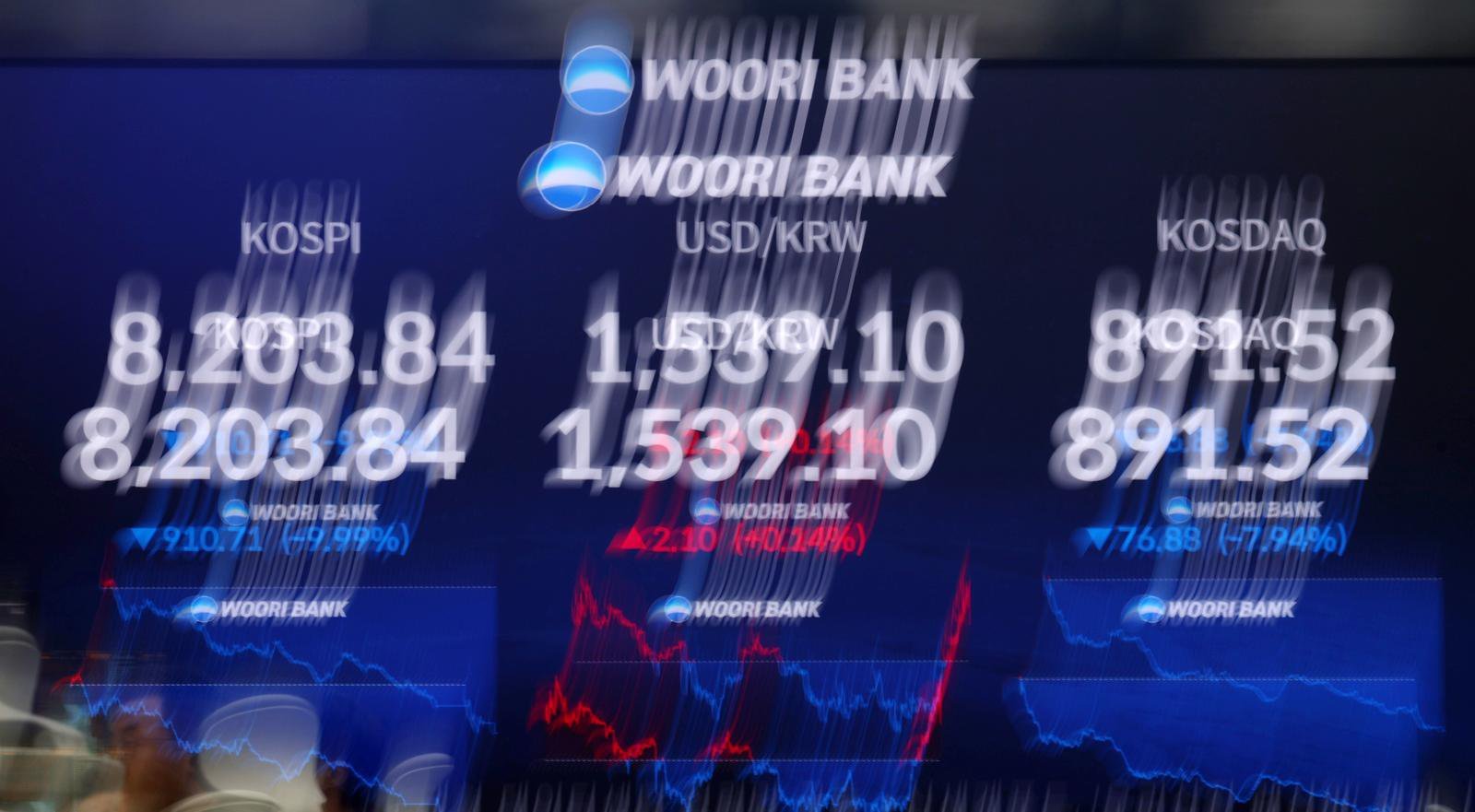
The South Korean won continues to weaken against the US dollar, hovering near 1540 won per dollar as of April 23. The won-dollar exchange rate has remained above 1500 for 26 consecutive trading days, surpassing the duration seen during the 2009 financial crisis and approaching levels from the 1998 Asian financial crisis.
The mere vigilance that the US Federal Reserve will shift towards interest rate hikes inevitably exerts upward pressure on domestic interest rates and the exchange rate compared to before.
This persistent high exchange rate defies expectations, as several factors should theoretically lead to a stronger won. These include a ceasefire declaration between the US and Iran, falling international oil prices, a surge in exports driven by a semiconductor boom, and an expanding current account surplus. Despite these positive indicators, the won has failed to break back into the 1400s.
News from both sides regarding the negotiations between the US and Iran is creating lingering uncertainty, which is an obstacle to the stability of the domestic foreign exchange market.
Market analysts attribute the sustained strength of the dollar, and consequently the weakness of the won, primarily to the US Federal Reserve's monetary policy. Speculation about potential interest rate hikes by the Fed, coupled with perceived uncertainty surrounding its future policy path, is driving dollar strength. The current interest rate differential, with the US policy rate being 1.25 percentage points higher than South Korea's, provides a fundamental basis for the weaker won.
The biggest reason for the strong dollar, which is the fundamental basis for the weak won, is the expectation of a US Federal Reserve rate hike and increased uncertainty in monetary policy.
Adding to the pressure is the lingering uncertainty surrounding the US-Iran negotiations. While export figures remain robust, with June showing continued strength and a growing current account surplus, these domestic economic positives are not significantly impacting foreign exchange market supply and demand. Concerns are also raised about whether export earnings are being immediately converted to won or held in overseas accounts, prompting government officials to request major exporting companies to repatriate and convert their foreign currency earnings.
Fed Chairman Kevin Wash's ambiguous stance on economic judgment, outlook, and future monetary policy path has amplified uncertainty.
DistantNews Editorial
Originally published by Hankyoreh in Korean. Translated, summarized, and contextualized by our editorial team with added local perspective. Read our editorial standards.
More Stories


From Our Blog

What Gets Lost (and Found) When News Is Translated

The Critical Role of Diaspora Media in Global News

What Travellers Should Know About Countries with Restricted Press

A Digital Nomad's Guide to Following Local News

How the Same Story Looks Different in Different Countries
